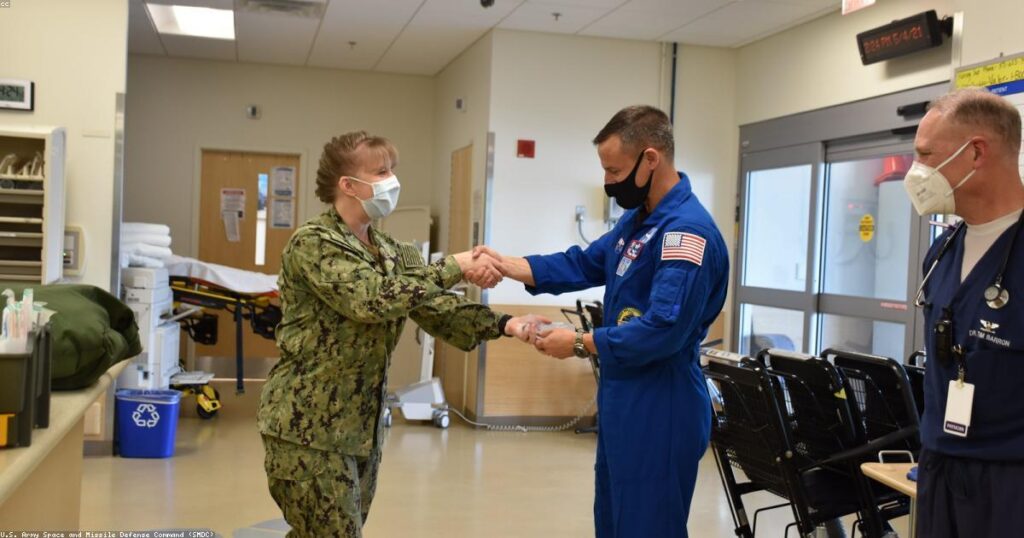
NASA astronaut remains in the hospital after returning from an extended stay in space
Space exploration pushes the boundaries of human endurance, exposing astronauts to extreme environments that challenge their physical and mental health. After returning from extended stays aboard the International Space Station (ISS), astronauts often face a complex recovery process due to the effects of microgravity and space radiation on the body. Recently, a NASA astronaut remains hospitalized following an extended mission in space, highlighting the ongoing medical challenges associated with long-duration spaceflight. This article delves into the circumstances surrounding the astronaut's post-mission health, the physiological impacts of space travel, and what this means for future deep-space missions.
The Extended Space Mission and Return to Earth
The astronaut in question recently completed a mission lasting several months aboard the ISS, conducting scientific experiments and maintenance tasks vital to ongoing space research. Extended missions like these are essential for understanding how the human body adapts to microgravity and for preparing humanity for longer journeys to destinations such as Mars.
Returning to Earth's gravity after months in space presents significant challenges. The astronaut’s body must readjust to gravitational forces, which can lead to muscle weakness, balance disorders, and cardiovascular issues. Following splashdown or landing, astronauts undergo thorough medical evaluations to monitor these effects closely.
In this case, the astronaut’s reentry was nominal, but post-mission examinations revealed complications requiring hospitalization. This underscores the unpredictable nature of human physiology in space and the importance of medical readiness in astronaut recovery protocols.
Physiological Effects of Long-Duration Spaceflight
Prolonged exposure to microgravity causes several physiological changes, including muscle atrophy and bone density loss. Without the constant force of gravity, muscles weaken, and bones lose minerals, increasing fracture risk upon return to Earth. Countermeasures such as in-flight exercise help mitigate these effects but cannot eliminate them entirely.
The cardiovascular system also adapts to microgravity, with fluid shifts leading to decreased blood volume and orthostatic intolerance—difficulty standing without dizziness—post-mission. Additionally, astronauts may experience vision changes due to intracranial pressure alterations, a condition known as Spaceflight Associated Neuro-ocular Syndrome (SANS).
Radiation exposure during space missions poses another risk, potentially affecting cellular integrity and increasing cancer risk over time. While the ISS is protected by Earth's magnetosphere, the cumulative effects of radiation remain an ongoing concern for long-term astronaut health.
Medical Challenges Following Reentry
Upon return, astronauts face immediate health challenges related to re-adaptation to gravity. Muscle weakness can impair mobility, necessitating physical therapy and sometimes hospitalization to ensure safe recovery. Balance and coordination issues may increase fall risk, requiring careful monitoring.
Cardiovascular deconditioning can cause low blood pressure and fainting episodes. Medical teams conduct orthostatic tolerance tests to assess the astronaut’s ability to stand and walk without symptoms. If complications arise, hospitalization provides access to advanced care and rehabilitation.
Psychological effects, including fatigue and mood changes, also impact recovery. The transition from the isolated, controlled environment of space to Earth’s sensory overload can be disorienting, requiring support from mental health professionals as part of comprehensive post-mission care.
Current Status of the Hospitalized NASA Astronaut
The astronaut remains under close medical supervision at a specialized facility equipped to manage post-spaceflight health issues. While specific details are confidential, NASA has confirmed the hospitalization is precautionary to address muscle and cardiovascular recovery needs.
Medical teams employ a multidisciplinary approach involving physicians, physical therapists, and psychologists to facilitate holistic rehabilitation. The astronaut is expected to undergo a tailored regimen of physical therapy to regain strength and coordination.
NASA emphasizes that such hospital stays are not uncommon for astronauts returning from long missions. The agency continues to prioritize astronaut health, using each case to improve future support protocols and enhance mission planning.
Implications for Future Deep-Space Missions
As NASA and international partners prepare for missions beyond low Earth orbit, including lunar Gateway expeditions and Mars exploration, understanding and mitigating post-mission health risks becomes paramount. Extended spaceflight will amplify physiological stresses, making recovery more complex.
Research from current ISS missions informs countermeasure development, including advanced exercise devices, nutritional strategies, and pharmacological interventions designed to protect astronaut health during and after missions.
The hospitalization of this astronaut serves as a real-world case study, highlighting the necessity for robust medical infrastructure both on Earth and potentially in space. Future spacecraft may need onboard medical capabilities to manage health issues during transit and upon arrival.
NASA’s Ongoing Commitment to Astronaut Health
NASA invests significantly in space medicine research to understand the effects of spaceflight and develop effective mitigation strategies. The agency’s Human Research Program conducts experiments to uncover biological changes and test countermeasures in space and analog environments.
Post-mission rehabilitation protocols continue to evolve based on data collected from each returning astronaut. NASA collaborates with medical institutions worldwide to enhance recovery techniques and improve long-term health outcomes.
The agency also prioritizes mental health support, recognizing the psychological demands of space travel and reintegration into Earth life. Comprehensive care ensures astronauts receive the necessary support throughout their mission lifecycle.
Public and Scientific Community Reactions
News of the astronaut’s hospitalization has garnered attention from both the public and scientific communities. It underscores the inherent risks of human space exploration and the resilience required to undertake such endeavors.
Experts emphasize that while spaceflight carries risks, the benefits of advancing human knowledge and technology justify continued exploration. Each medical case provides valuable insights that drive improvements in astronaut safety and mission success.
Public interest in space missions remains high, with many expressing support and concern for the astronaut’s recovery. Transparent communication from NASA helps maintain trust and highlights the agency’s dedication to its personnel’s well-being.
Looking Ahead: Enhancing Recovery and Mission Safety
Future strategies to improve astronaut recovery may include enhanced pre-mission conditioning, improved in-flight exercise protocols, and advanced medical monitoring technologies. Personalized medicine approaches could tailor countermeasures to individual physiological responses.
NASA is also exploring artificial gravity concepts to mitigate microgravity effects during missions, potentially reducing post-flight complications. Ground-based research continues to simulate space conditions to test new interventions before implementation in orbit.
International collaboration remains key to advancing astronaut health science. Sharing data and best practices across space agencies will accelerate progress, ensuring astronauts can safely embark on increasingly ambitious missions.
Conclusion
The hospitalization of a NASA astronaut following an extended stay in space shines a spotlight on the complex health challenges posed by long-duration spaceflight. As humanity prepares for more ambitious missions beyond Earth’s orbit, understanding and mitigating these risks is essential. Through rigorous medical research, advanced countermeasures, and comprehensive rehabilitation protocols, NASA strives to safeguard astronaut health and ensure successful exploration of the final frontier. This event serves as a reminder of the resilience required to push human boundaries and the critical importance of ongoing support for those who venture into space.
Originally reported by chron.com. Adapted for our readers.
Author of the article: Published Sep 18, 2026 11 minute read Article content Kyndryl Canada has been engaged to deliver a commercialization strategy and…
The National Agency for Science and Engineering Infrastructure (NASENI) on Friday 4th September 2026, marked three years of institutional transformation under its Executive Vice…
Municipal Administration Minister P. Narayana speaks to residents after laying the foundation stone for the slum redevelopment project at Velampeta, near Lakshmi Nagar in…