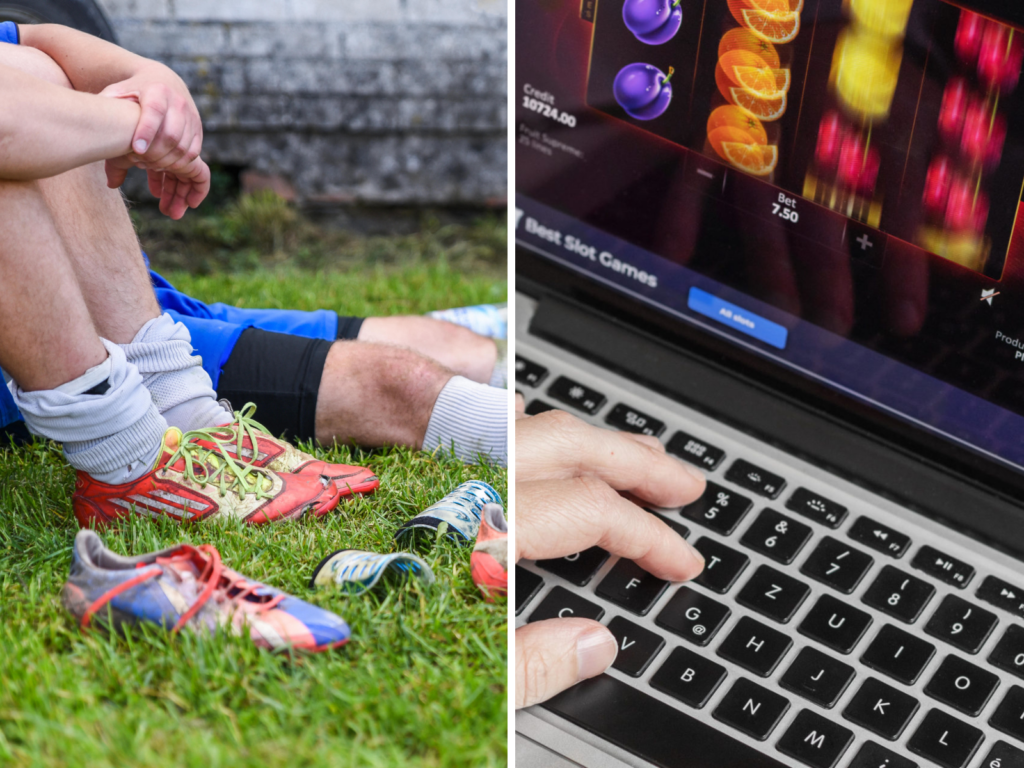
Gambling addiction is a pervasive and often overlooked issue among athletes, especially those involved in high-pressure sports like Gaelic Athletic Association (GAA) competitions. Research indicates that intercounty GAA players are significantly more prone to problem gambling than the general population, facing risks that extend beyond financial loss to profound mental health struggles. This article delves into the stark reality behind the statistics, sharing personal experiences of addiction, highlighting contributing factors, and exploring recovery and preventive measures. Through this comprehensive analysis, we aim to increase awareness and promote healthier environments for athletes vulnerable to gambling-related harms.
The Alarming Prevalence of Gambling Addiction Among Athletes
Recent studies have revealed that intercounty GAA players are six times more likely to develop a gambling addiction compared to the general population. While the prevalence of problem gambling stands at 0.8% among the public, it rises sharply to 4.8% within this athletic group. Such statistics underscore a worrying trend that requires urgent attention from sports organizations, healthcare providers, and communities alike.
This disproportionate vulnerability is not unique to GAA players but resonates across various elite sports where gambling sponsorships and betting culture are prevalent. The competitive nature of athletes, combined with the pressures of performance and downtime, creates a fertile ground for addictive behaviors to take root. Understanding this prevalence is the first step toward developing effective support systems tailored to athletes' needs.
Moreover, the inclusion of gambling disorder in the Diagnostic and Statistical Manual of Mental Disorders (DSM) as a recognized medical illness signifies the seriousness of the issue. It highlights the necessity of viewing gambling addiction not as a mere habit but as a complex mental health condition with potential for widespread harm, including increased risk of suicidality among affected individuals.
Why Athletes Are More Susceptible to Gambling Addiction
Several factors contribute to the heightened risk of gambling addiction among athletes. One key reason is the perceived advantage athletes believe they hold through their intimate knowledge of sports, which can create a false sense of control and confidence when placing bets. This belief often fuels risky gambling behaviors, as athletes may think their insights give them an edge over other bettors.
Another contributing factor is the nature of athletes’ schedules, particularly during the off-season or injury periods. During these times, athletes experience significant downtime, often filled with inactivity and isolation. To replicate the adrenaline rush and dopamine release associated with competitive play, some turn to gambling as an alternative source of excitement and engagement.
Additionally, the social environment surrounding sports can inadvertently promote gambling. Locker room conversations, peer influences, and the normalization of betting culture within sporting communities make it easier for athletes to engage in gambling activities. This environment, combined with personal vulnerabilities, can accelerate the progression from casual betting to addiction.
The Personal Toll: Oisín McConville’s Story of Carnage
Oisín McConville, an Armagh football legend, candidly recalls his descent into gambling addiction, describing his life during that period as 'complete carnage.' His journey began at the age of 14 in the smoky backroom of a local pub, where the allure of gambling instantly captivated him. Initially, small bets offered a thrilling buzz akin to the adrenaline of playing football.
However, this initial excitement rapidly escalated. McConville found himself chasing the elusive high that gambling provided, increasing both the amounts wagered and the lengths he was willing to go to sustain his addiction. The dreams of material wealth — expensive football boots, a new car, a large house — soon lost their meaning, overshadowed by the compulsive nature of his gambling.
The final years of his addiction were marked by a hollow void, where neither winning nor losing produced any satisfaction. Yet, trapped within the grip of addiction, McConville was powerless to stop. His compulsive gambling led to destructive behaviors, lies, and a profound sense of personal ruin, encapsulated by his own admission of living through 'complete carnage.'
Mental Health Consequences and the Risk of Suicidality
The psychological impact of gambling addiction extends far beyond financial difficulties. It often manifests as severe mental health issues, including anxiety, depression, and suicidality. Athletes like McConville have shared how the emotional burden of addiction pushed them to the brink, with thoughts of suicide becoming a terrifying reality.
This mental health crisis is compounded by the stigma and shame associated with gambling addiction, which can deter individuals from seeking help. The isolation and secrecy surrounding the disorder exacerbate feelings of hopelessness and despair, creating a dangerous cycle that can be difficult to break without intervention.
Recognizing gambling addiction as a medical condition with a DSM code has helped legitimize its seriousness and prompted calls for more comprehensive mental health support for affected athletes. Early identification and intervention are critical to preventing tragic outcomes and supporting long-term recovery.
The Role of Sports Organizations in Combating Gambling Addiction
In response to growing concerns, some sports organizations have taken proactive steps to address gambling addiction among athletes. The GAA, for example, has banned all gambling sponsorships in sport, a move praised as an act of 'real leadership.' This decision aims to reduce the normalization and promotion of gambling within the sporting culture.
Such measures are vital in creating safer environments for athletes, but they must be complemented by education, awareness campaigns, and accessible support services. Sports bodies have a responsibility to protect their players by fostering open dialogue about addiction risks and encouraging help-seeking behaviors without fear of judgment or reprisal.
Collaboration between sports organizations, medical professionals, and addiction specialists is essential to develop effective prevention strategies and treatment programs tailored to the unique pressures athletes face. This multi-faceted approach can help mitigate the risks and support healthier career trajectories.
The Journey to Recovery: Admitting the Problem and Seeking Help
Recovery from gambling addiction often begins with a difficult but crucial step: acknowledging the problem. For McConville, this moment came when he confided in his brother and sister about his struggles. Voicing the addiction out loud was a turning point, marking the transition from denial to acceptance and the start of his healing process.
Professional treatment played a pivotal role in his recovery. McConville spent 13 weeks in a specialized treatment center, where he confronted the underlying issues driving his addiction and learned coping strategies to maintain sobriety. This intensive support helped him regain control over his life and rebuild relationships damaged by his gambling.
Post-treatment, McConville committed to repaying his debts, a process that, while challenging, provided a sense of accountability and closure. His ongoing recovery journey highlights the importance of comprehensive care that addresses both the psychological and practical consequences of gambling addiction.
Preventive Strategies and Support Systems for Athletes
Preventing gambling addiction among athletes requires a proactive and multifaceted approach. Education is paramount; athletes must be informed about the risks of gambling and the signs of addiction early in their careers. Workshops, seminars, and peer support groups can foster awareness and resilience against addictive behaviors.
Implementing policies that limit exposure to gambling advertising and sponsorship within sports environments is also critical. By reducing the visibility and accessibility of betting opportunities, sports organizations can help diminish the appeal and normalization of gambling among players and fans alike.
Accessible mental health resources and confidential counseling services tailored to athletes’ unique pressures can provide essential support. Encouraging open communication and reducing stigma are key to ensuring that athletes feel safe seeking help before problems escalate into addiction.
Looking Forward: Changing the Narrative Around Gambling and Sports
The narrative surrounding gambling in sports is evolving, with increasing recognition of the associated risks and harms. Stakeholders are beginning to prioritize athlete wellbeing over commercial interests tied to gambling sponsorships, signaling a shift toward more ethical sports practices.
Athletes who share their stories of addiction and recovery, like Oisín McConville, play a vital role in breaking down stigma and inspiring others to seek help. Their voices humanize the issue, demonstrating that recovery is possible and that addiction does not define a person’s identity or future.
Continued research, policy development, and community engagement are essential to sustain this momentum. By fostering a culture of care, understanding, and prevention, the sports world can mitigate the carnage caused by gambling addiction and promote healthier, more sustainable athletic careers.
Conclusion
Gambling addiction among athletes is a complex and urgent issue that demands comprehensive attention from all sectors involved in sports. The stark realities faced by individuals like Oisín McConville reveal the profound personal and mental health toll of addiction. However, through increased awareness, organizational leadership, and robust support systems, it is possible to mitigate these risks and support athletes on their journey to recovery. By changing the culture surrounding gambling in sports, we can transform carnage into hope and resilience, ensuring healthier futures for athletes and the broader sporting community.
Originally reported by newstalk.com. Adapted for our readers.
Recent advances in machine perfusion technology are not only preserving donated livers but also making them biologically younger at a molecular level. This breakthrough…
What happens when human imagination, artificial intelligence, art and technology come together? From September 1 to 6, Samsung Electronics presented a special exhibition themed…