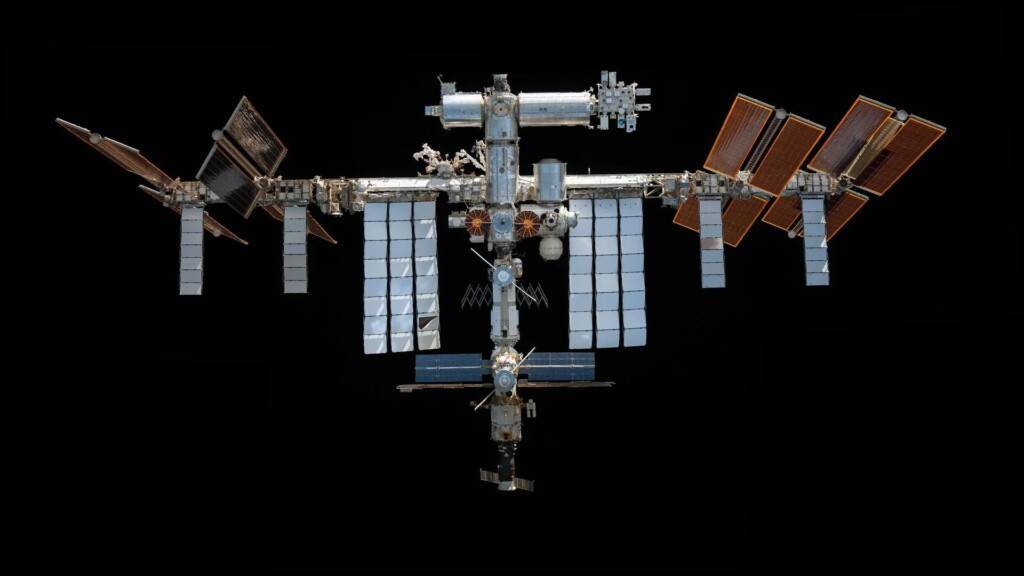
ISS leaks among 50 ‘areas of concern’ for astronaut safety: report
The International Space Station (ISS), a marvel of international collaboration and space engineering, faces ongoing challenges that threaten the safety of its crew and the longevity of its mission. Since 2019, a persistent air leak in the Russian segment has raised alarms within NASA and Roscosmos, prompting detailed investigations and repairs. A recent report by NASA's Office of the Inspector General (OIG) brought to light not only this leak but also identified 50 'areas of concern' that could impact astronaut safety. This article provides a comprehensive overview of the leak, the associated risks, mitigation efforts, and the broader implications for the ISS as it approaches the end of its operational lifespan.
Overview of the ISS Leak and Its Discovery
The air leak within the International Space Station was first detected in 2019, originating from the Russian segment, specifically the Zvezda service module. This module, launched in 2000, serves as a critical part of the station’s living quarters and operational infrastructure. The leak was initially minor but has since fluctuated, reaching peaks that prompted urgent attention from both NASA and Roscosmos.
NASA's Office of the Inspector General (OIG) released a report in September highlighting the leak as a top safety risk. The report detailed that the leak is located near a hatch in the Zvezda module and is currently the highest-rated risk on NASA’s internal scale, scoring a 5 out of 5. This rating underscores the severity with which NASA views the situation, despite ongoing mitigation efforts.
The discovery of the leak triggered immediate measures to monitor and control the situation. NASA and Roscosmos have been collaborating on patching and sealing the affected area using sealants and physical patches. However, the persistence of the leak over several years indicates the complexity of repairs and the challenges posed by the ISS’s aging infrastructure.
The 50 'Areas of Concern' Identified by NASA's OIG
Beyond the well-publicized air leak, NASA’s Office of the Inspector General has identified a total of 50 'areas of concern' related to astronaut safety aboard the ISS. These concerns encompass structural integrity issues, potential micrometeoroid impacts, system malfunctions, and supply chain vulnerabilities that could affect maintenance and repair capabilities.
These multiple concerns reflect the broader challenges of operating a space station that has been continuously inhabited for over two decades. The ISS’s components, many of which were designed for shorter missions, face wear and tear that increase the likelihood of system failures or hazards to crew safety.
NASA and Roscosmos have prioritized addressing these risks through ongoing maintenance, risk assessments, and contingency planning. The identification of these concerns serves to inform future operational decisions and underscores the need for advanced commercial space stations to eventually replace the ISS.
Mitigation Efforts and Current Status of the ISS Leak
To combat the persistent leak, Russian cosmonauts have applied a combination of sealants and patches over the cracks identified in the Zvezda module. These repairs have been somewhat effective, reducing the leak rate from a peak of 3.7 pounds of air per day in April 2024 to a lower level after subsequent fixes.
NASA officials have also implemented operational adjustments to minimize risk. For example, the hatch near the leak is closed as much as possible, particularly during nighttime hours, following negotiations between NASA and Roscosmos. This approach aims to limit air loss while preserving access and safety protocols.
Crew safety measures include positioning NASA astronauts primarily within the U.S. segment of the ISS, close to their escape vehicles, as a precautionary step. Despite the ongoing leak, NASA emphasizes that there is no immediate danger to astronauts, but the situation remains under constant surveillance.
Implications for Astronaut Safety and Station Operations
The persistent air leak presents a significant safety concern for the ISS crew. Air pressure regulation is critical in maintaining a habitable environment, and continuous air loss could compromise life-support systems if left unaddressed. The proximity of the leak to a hatch adds complexity, as hatches are vital for module access and emergency egress.
NASA’s internal risk assessments rate the leak as the highest priority safety risk aboard the ISS, reflecting the potential consequences of the issue. While current mitigation efforts have prevented an immediate threat, the situation demands ongoing vigilance and readiness to respond to any escalation.
Operationally, the leak and other identified concerns place additional strain on station maintenance schedules and resource allocation. The ISS program must balance routine scientific activities with urgent repairs and safety protocols, often requiring coordination between multiple international partners.
Aging Infrastructure and Challenges of Long-Term ISS Operations
The ISS has been in orbit since 1998, with the Zvezda module added in 2000. Over two decades of continuous operation have subjected the station’s components to space environment stresses, including temperature fluctuations, radiation, and micrometeoroid impacts, all of which accelerate wear and tear.
Maintaining an aging space station requires extensive and sometimes innovative maintenance efforts. The leak in the Zvezda module exemplifies the challenges of repairing complex systems in microgravity and the limitations of current materials and technologies for long-term space habitation.
NASA and its partners recognize that the ISS’s operational lifespan is finite. While planned to function until 2030, the station’s aging infrastructure and growing safety concerns have intensified discussions about transitioning to commercial space stations that can continue low Earth orbit research and operations.
Future of the ISS and Transition to Commercial Space Stations
NASA’s long-term vision includes transitioning from the ISS to commercially operated space stations in low Earth orbit. This shift aims to foster a sustainable space economy and enable continued scientific research beyond the ISS’s expected retirement around 2030.
To support this transition, NASA has awarded contracts to private aerospace companies, including SpaceX, which is tasked with developing a large Dragon-type spacecraft designed to safely deorbit the ISS at the end of its mission. This initiative reflects the agency’s commitment to responsible space station retirement while advancing commercial capabilities.
The development of commercial stations will also alleviate some of the risks associated with aging infrastructure and provide updated platforms that incorporate modern technology and design improvements, enhancing astronaut safety and operational efficiency.
Broader Risks Facing the ISS Beyond the Leak
In addition to the air leak, the ISS faces multiple threats that could impact its mission and crew safety. Micrometeoroid and orbital debris strikes represent a constant hazard, with the potential to cause structural damage or system failures if critical components are hit.
Supply chain issues also pose challenges for station upkeep. The delivery of spare parts, tools, and essential supplies depends on reliable launch schedules and international cooperation. Any disruption could delay necessary repairs or maintenance, increasing safety risks.
NASA’s OIG continues to monitor these risks closely, emphasizing the importance of proactive risk management and contingency planning to safeguard the ISS’s operation until its planned retirement.
International Collaboration and Communication Challenges
The ISS represents a unique partnership between NASA, Roscosmos, ESA, JAXA, and CSA, requiring constant communication and coordination. The air leak in the Russian segment has highlighted some of the challenges inherent in managing a multinational space station.
Negotiations over operational protocols, such as hatch closures and repair responsibilities, require diplomacy and mutual trust. NASA’s efforts to convey the seriousness of the leak to Russian partners demonstrate the importance of transparent communication to ensure crew safety.
Despite occasional tensions, the collaborative spirit remains strong, with all partners committed to maintaining the ISS as a safe and productive platform for scientific discovery and international cooperation.
Conclusion
The International Space Station continues to serve as a vital platform for space exploration and scientific research despite facing significant challenges related to aging infrastructure and safety risks. The persistent air leak in the Russian segment underscores the complexities of maintaining a multi-decade orbiting laboratory. While NASA and Roscosmos actively work to mitigate this and other concerns, the situation highlights the urgency of transitioning to newer, commercially operated space stations. Through continued international collaboration and technological innovation, the legacy of the ISS will pave the way for safer and more sustainable human presence in low Earth orbit.
Originally reported by livescience.com. Adapted for our readers.
Recent advances in machine perfusion technology are not only preserving donated livers but also making them biologically younger at a molecular level. This breakthrough…
What happens when human imagination, artificial intelligence, art and technology come together? From September 1 to 6, Samsung Electronics presented a special exhibition themed…