
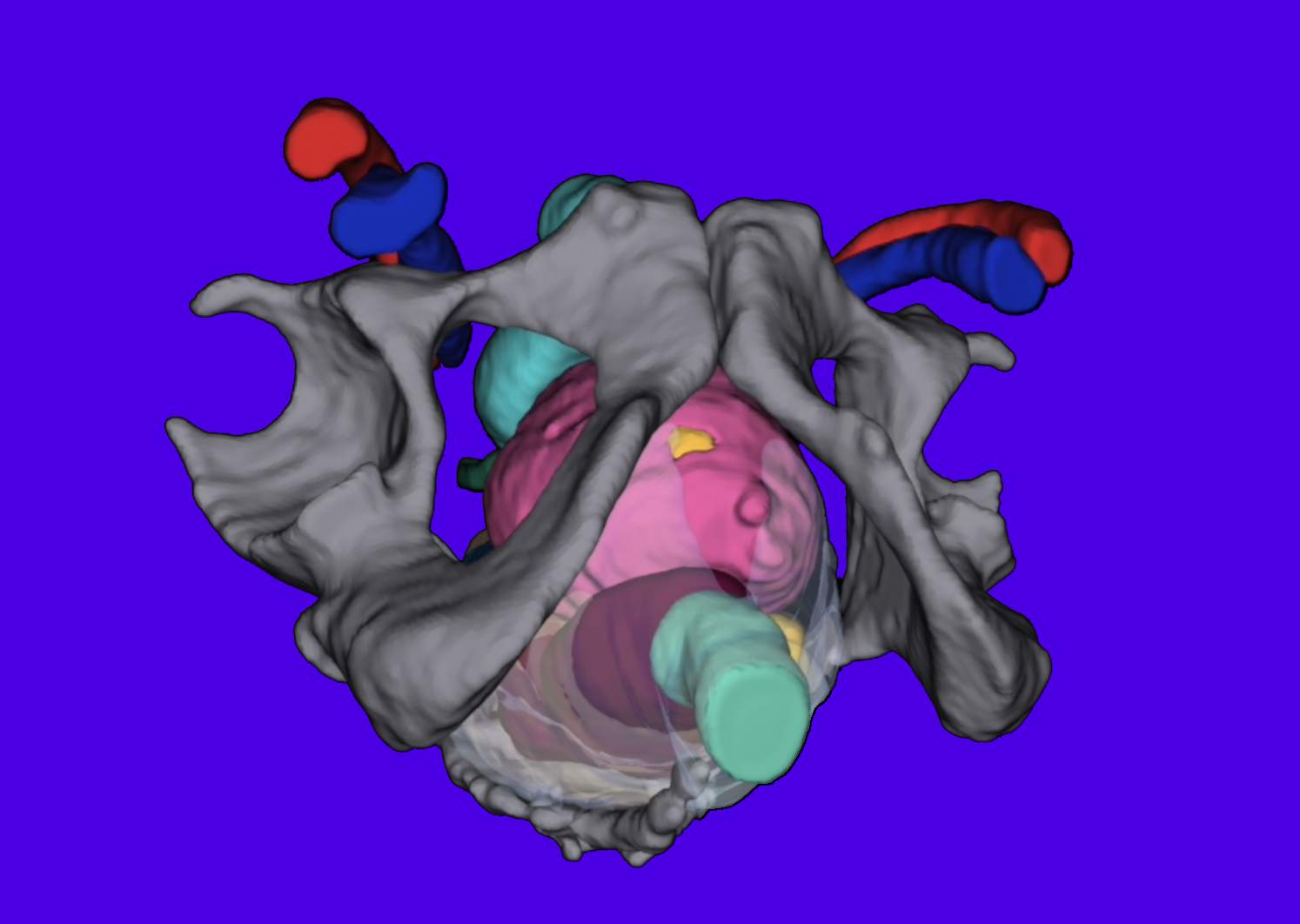
In a monumental advancement for surgical oncology, Intermountain Health has introduced a groundbreaking 3D technology designed to improve outcomes for patients undergoing complex cancer surgeries. This pioneering system, named Iris, converts traditional MRI scans into vivid three-dimensional models, allowing surgeons to visualize tumors in relation to surrounding anatomy with remarkable clarity. By integrating this technology into robotic rectal cancer surgeries, Intermountain Health stands at the forefront of medical innovation, enhancing surgical precision, reducing risks, and improving patient education and recovery experiences.
The Genesis of Iris: Revolutionizing Surgical Planning
The Iris technology represents a significant leap forward in preoperative planning by transforming conventional MRI images into interactive 3D models. These models provide surgeons with an intricate view of the tumor’s exact location, size, and its proximity to critical organs and structures. This level of detail was previously unattainable with standard imaging techniques, which often limited surgical precision.
Developed to address the challenges of complex cancer surgeries, Iris equips surgeons with a virtual roadmap, enabling them to strategize each step before making any incisions. This meticulous planning reduces intraoperative uncertainties, potentially decreasing operation times and minimizing complications.
Intermountain Health’s adoption of Iris underscores its commitment to leveraging cutting-edge technology for patient benefit. By being the first health system in the nation to implement this innovation, Intermountain is setting a new benchmark for oncologic surgical care.
Enhanced Precision in Robotic Rectal Cancer Surgery
Robotic-assisted surgery has already transformed cancer treatment by offering minimally invasive options with enhanced dexterity and visualization. The integration of Iris technology into these procedures further elevates surgical accuracy. Surgeons can now manipulate robotic instruments with confidence, guided by detailed 3D anatomical maps that reveal critical structures and tumor boundaries.
Dr. Tae Kim, a colorectal surgeon at Intermountain LDS Hospital, was the first to employ Iris in robotic rectal cancer surgery. He likened the technology to having a ‘3D map before entering a maze,’ emphasizing how it allows surgeons to identify when to proceed swiftly and when to be cautious to ensure complete cancer removal while preserving healthy tissue.
This synergy between robotics and 3D modeling not only enhances the surgeon’s capabilities but also contributes to shorter recovery times and reduced postoperative complications, benefiting patients both physically and psychologically.
Patient-Centered Benefits: Understanding and Reassurance
One of the most profound impacts of Iris technology lies in its ability to improve patient education. By visualizing their own anatomy and tumor in three dimensions, patients gain a clearer comprehension of the complexity and rationale behind their surgical plan.
Dr. Kim incorporates these 3D models in preoperative consultations, which helps demystify the procedure and alleviates patient anxiety. Seeing the tumor’s relationship to vital organs reassures patients that their surgical team has a precise, well-thought-out strategy.
This transparency fosters trust and empowers patients to become active participants in their care journey, ultimately enhancing satisfaction and adherence to postoperative instructions.
A Landmark Case: Tom Evans’ Journey with Iris Technology
Tom Evans, a 50-year-old schoolteacher from Riverton, Utah, stands as a testament to the transformative power of Iris technology. Diagnosed with stage three colon cancer and facing recurrence after chemotherapy and radiation, Evans required a highly precise surgical intervention.
On March 14, 2024, Dr. Kim utilized Iris to meticulously map Evans’ tumor and surrounding anatomy before performing a five-hour robotic surgery at Intermountain LDS Hospital. The 3D model enabled Dr. Kim to avoid damaging Evans’ bladder, a critical concern given the tumor’s proximity.
Post-surgery, Evans expressed profound gratitude, noting how the technology ensured complete cancer removal and a swift recovery, allowing him to return home within two days. His experience highlights Iris’s potential to enhance surgical success and improve quality of life for cancer patients.
Intermountain Health’s Unique Position in National Innovation
Intermountain Health is one of only two health systems nationwide—and the sole provider in Utah—approved to utilize Iris technology. This exclusive status reflects the institution’s dedication to pioneering advanced medical solutions and maintaining rigorous standards for patient care.
The health system’s extensive network, comprising 33 hospitals and 385 clinics across seven states, positions it as a leader capable of disseminating innovative practices broadly. This ensures that more patients can benefit from cutting-edge technologies like Iris in the near future.
Intermountain’s commitment extends beyond technology adoption to include comprehensive training for surgeons and multidisciplinary teams, guaranteeing optimal implementation and ongoing improvements in surgical oncology.
The Role of Robotics and Reduced Recovery Times
Robotic surgery offers multiple advantages over traditional open surgery, including smaller incisions, less blood loss, and reduced postoperative pain. When combined with Iris’s detailed 3D mapping, the precision of robotic instruments is further enhanced, enabling surgeons to navigate complex anatomical landscapes safely.
This technological synergy contributes to shorter hospital stays and quicker returns to normal activities, as seen in Tom Evans’ case. Patients typically experience fewer complications, which translates to better overall outcomes and lower healthcare costs.
Moreover, the minimally invasive nature of robotic surgery benefits patients emotionally and physically, reducing the trauma associated with cancer operations and improving long-term quality of life.
Encouraging Early Detection and Screening Awareness
While advancements like Iris improve surgical treatment, early detection remains critical in combating colon and rectal cancers. Tom Evans advocates for regular screenings, emphasizing that colon cancer is often a silent killer with few symptoms until advanced stages.
Colonoscopies and other screening methods can identify precancerous polyps and early-stage tumors, increasing the chances of successful treatment and survival. Public health campaigns and healthcare providers play essential roles in promoting awareness and encouraging timely screenings.
Intermountain Health supports these initiatives, recognizing that combining early detection with innovative surgical technologies offers the best hope for reducing cancer mortality and enhancing patient outcomes.
Conclusion
Intermountain Health’s pioneering adoption of Iris 3D technology marks a transformative moment in cancer surgery. By integrating detailed anatomical models with robotic-assisted procedures, surgeons can achieve unprecedented precision, improving outcomes and patient experiences. This innovation not only enhances surgical planning and execution but also empowers patients through clearer understanding and reassurance. As Intermountain continues to lead in medical advancements and patient-centered care, the future of complex cancer surgery looks promising, offering hope and improved quality of life for countless patients nationwide.