
AI Trends & News
Surface Laptop Ultra Pre-orders Open: Price, Release Date and AI Features
Microsoft opens Surface Laptop Ultra pre-orders from US$2,599.99. Explore its launch date, NVIDIA RTX Spark features and implications for Nigerian businesses.
TAMFIS NIG LTDRC 8067447CAC ACTIVEFinima, Bonny Island, Rivers State

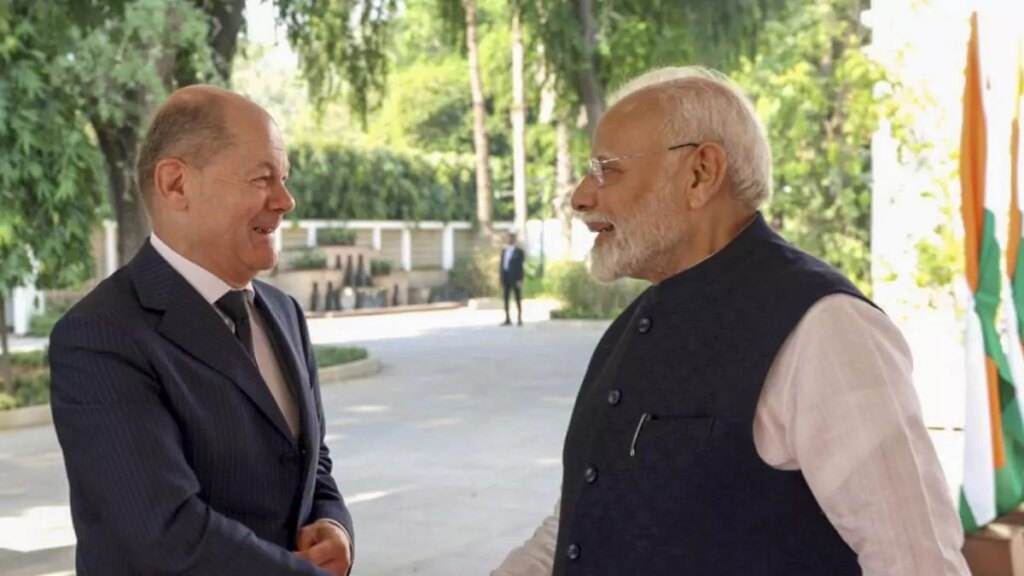
In a significant stride toward strengthening bilateral relations, India and Germany have signed multiple Memorandums of Understanding (MoUs) covering green hydrogen, technology collaboration, and trade enhancement. The agreements were finalized during German Chancellor Olaf Scholz’s official visit to New Delhi, where he met with Prime Minister Narendra Modi. These MoUs represent a comprehensive framework for cooperation in sustainable energy, innovation, and economic diversification, reflecting both nations’ commitment to addressing global challenges such as climate change and economic resilience. This article delves into the key aspects of the agreements, their strategic importance, and the shared vision that underpins this evolving partnership.
India and Germany share a long-standing strategic partnership characterized by robust economic ties, technological collaboration, and shared democratic values. Over the decades, both countries have fostered cooperation in diverse sectors including manufacturing, education, and defense. The recent signing of multiple MoUs marks a new chapter, emphasizing sustainability, innovation, and mutual growth.
The partnership is driven by complementary strengths – India’s expanding market and skilled workforce combined with Germany’s technological expertise and industrial prowess. This synergy creates immense potential for joint ventures and collaborative projects that can benefit both nations and contribute to global development goals.
The timing of these agreements is crucial as the world faces challenges like climate change and supply chain vulnerabilities. By enhancing cooperation in green hydrogen and technology, India and Germany are positioning themselves as leaders in the global transition toward cleaner energy and resilient economies.
One of the centerpiece agreements between India and Germany is the Indo-German Green Hydrogen Road Map. This MoU focuses on fostering collaboration in green hydrogen production, technology transfer, and infrastructure development. Green hydrogen, produced using renewable energy sources, is poised to play a vital role in reducing carbon emissions and achieving climate targets.
India’s ambitious renewable energy goals align well with Germany’s expertise in clean technology. Through this partnership, both countries aim to accelerate research and development in hydrogen technologies, scale up pilot projects, and create viable business models for green hydrogen usage across industries such as steel, chemicals, and transportation.
The cooperation extends beyond technology sharing to include policy dialogue, capacity building, and joint ventures. This holistic approach is expected to strengthen India’s green hydrogen ecosystem, reduce dependence on fossil fuels, and contribute to global efforts in combating climate change.
Technology collaboration is a critical pillar of the recent MoUs signed between India and Germany. The agreements include a Road Map on Innovation and Technology that envisions joint research in advanced materials, digital technologies, and sustainable manufacturing processes.
Both countries recognize the importance of innovation ecosystems that integrate academia, industry, and government. By fostering partnerships between research institutions and private sector players, the MoUs aim to catalyze breakthroughs in areas such as artificial intelligence, cybersecurity, and green technologies.
This cooperation is expected to enhance the competitiveness of industries in both countries, create high-skilled jobs, and promote knowledge exchange. It also aligns with India’s vision to become a global innovation hub and Germany’s focus on Industry 4.0 and sustainable industrial growth.
Trade relations between India and Germany have witnessed substantial growth, with bilateral trade surpassing $30 billion. The recent agreements aim to deepen this economic engagement by addressing barriers, simplifying regulations, and exploring new sectors for cooperation.
German Chancellor Olaf Scholz highlighted the importance of diversifying trade partnerships to reduce one-sided dependencies, particularly in critical raw materials and technologies. India’s emergence as a manufacturing and export hub offers a strategic alternative for German businesses seeking to mitigate risks.
The MoUs also emphasize the potential of a free trade agreement between India and the European Union, which could be concluded in the near future. Enhanced trade ties will benefit industries, create jobs, and foster sustainable economic development in both countries.
In addition to economic and technological collaboration, India and Germany signed agreements on Mutual Legal Assistance Treaty (MLAT) in Criminal Matters and the Exchange and Mutual Protection of Classified Information. These treaties aim to strengthen judicial cooperation and enhance information security.
The MLAT facilitates cooperation in criminal investigations and prosecutions, enabling both countries to address cross-border crimes effectively. This collaboration is vital in combating cybercrime, terrorism, and other transnational threats.
The agreement on classified information exchange underscores the growing trust and strategic alignment in defense and security sectors. It paves the way for deeper cooperation on sensitive matters, contributing to regional and global stability.
Recognizing the importance of human capital, both nations have agreed to enhance visa facilitation for skilled Indian professionals. Germany has increased the annual quota of work visas for Indians from 20,000 to 90,000, reflecting confidence in India’s talent pool.
This move will bolster Germany’s workforce in critical sectors such as engineering, IT, and healthcare while providing Indian professionals with opportunities for career growth and international exposure. It also strengthens cultural ties and mutual understanding between the two countries.
Furthermore, educational and research exchanges are expected to increase, fostering collaboration between universities and research institutions. These initiatives will contribute to innovation and knowledge sharing, fueling long-term bilateral cooperation.
The India-Germany MoUs carry significant geopolitical implications, especially in the context of global power dynamics. Chancellor Scholz’s emphasis on avoiding overdependence on any single country, notably China, highlights the strategic intent behind diversifying partnerships.
India’s positioning as a stable and reliable partner in the Indo-Pacific region aligns with Germany’s vision of a balanced and multipolar world order. This partnership supports peace, security, and sustainable development on a global scale.
By collaborating on green energy, technology, and trade, India and Germany contribute to setting global standards for sustainable growth and innovation. Their joint efforts can inspire other nations to pursue cooperative frameworks that address common challenges.
The signing of these MoUs paves the way for a dynamic future in India-Germany relations. Both governments have expressed commitment to regular dialogues, implementation of agreements, and monitoring progress through inter-governmental consultations.
Key focus areas for the future include scaling up green hydrogen projects, fostering start-up ecosystems, expanding trade networks, and strengthening legal and security frameworks. Collaboration in advanced research and development will remain a priority.
As both nations continue to deepen their strategic partnership, they are well poised to become global leaders in sustainability, innovation, and economic cooperation. This evolving relationship holds promise for transformative impact both regionally and globally.
The signing of multiple MoUs between India and Germany signifies a milestone in their bilateral relationship, reflecting a shared commitment to sustainable development, technological advancement, and economic resilience. By focusing on green hydrogen, cutting-edge technology, and enhanced trade cooperation, both nations are laying the foundation for a strategic partnership that addresses contemporary global challenges. This collaboration not only benefits India and Germany but also sets a precedent for international cooperation in innovation and sustainability. As these agreements move from paper to practice, the world can anticipate a robust India-Germany alliance driving progress towards a greener, more secure, and prosperous future.
Originally reported by thehindubusinessline.com. Adapted for our readers.
Keep reading
AI Trends & News
Microsoft opens Surface Laptop Ultra pre-orders from US$2,599.99. Explore its launch date, NVIDIA RTX Spark features and implications for Nigerian businesses.
Science & Technology
DJI’s IBC recognition puts pocket gimbal and panoramic capture in the spotlight. Here is how creators can assess framing, editing effort and recording workflows.
Business News
App store steering is about more than permission to add a link. Explore fees, renewal terms, customer experience and the UK consultation.
TAMFIS NIG LTD
Electrical and instrumentation engineering, bid preparation and consulting, IT and software.

