‘I think it was hard not to watch that rocket lift off without thinking, That’s my rocket and that’s my crew.’ How the NASA astronauts bumped from SpaceX’s Crew-9 watched their ride launch without them
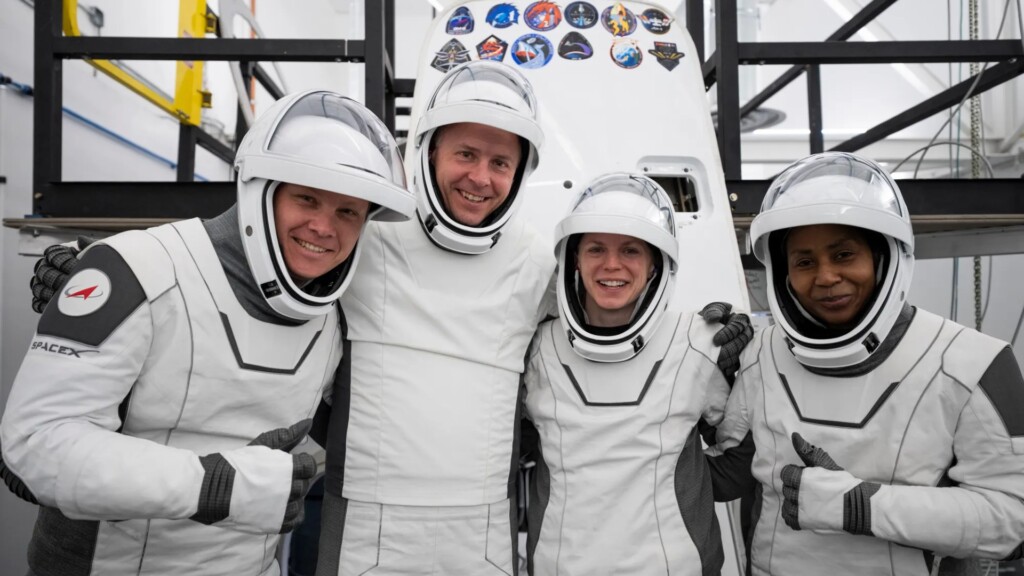
On September 28, 2024, SpaceX’s Crew-9 mission launched successfully toward the International Space Station (ISS), carrying NASA astronaut Nick Hague and Russian cosmonaut Aleksandr Gorbunov. However, two other NASA astronauts initially scheduled to fly on this mission, Zena Cardman and Stephanie Wilson, were unexpectedly reassigned to ground duties just weeks before liftoff. Watching the rocket ascend without them was a bittersweet moment, encapsulated by Cardman’s reflection: “I think it was hard not to watch that rocket lift off without thinking, ‘That’s my rocket and that’s my crew.’” This article delves into the circumstances leading to their reassignment, their reactions, and how NASA manages astronaut assignments amid complex mission dynamics.
The Original Crew-9 Lineup and Mission Objectives
Initially, NASA had assigned astronauts Zena Cardman and Stephanie Wilson to SpaceX’s Crew-9 mission, alongside Nick Hague and Roscosmos cosmonaut Aleksandr Gorbunov. The mission was slated to transport these astronauts to the ISS for long-duration scientific research and station maintenance. Crew-9 represented a critical part of NASA’s ongoing partnership with SpaceX under the Commercial Crew Program, aiming to ensure safe and reliable access to low Earth orbit.
Cardman and Wilson, both experienced astronauts with extensive training, were preparing months in advance for the mission. Their roles included conducting experiments, maintaining the station’s systems, and collaborating with international partners aboard the ISS. The mission was also important for NASA’s broader goals of supporting sustained human presence in space and preparing for future deep space exploration.
The Crew Dragon spacecraft for Crew-9 was meticulously prepared to support the four-person crew. Extensive simulations, physical training, and mission rehearsals were conducted to guarantee mission success. However, unforeseen changes would soon alter the crew composition and mission dynamics.
Unexpected Seat Reassignments: The Boeing Starliner Impact
In August 2024, NASA made a pivotal decision to reassign Cardman and Wilson’s seats on Crew-9 to accommodate NASA astronauts Suni Williams and Butch Wilmore, whose Boeing Starliner spacecraft experienced delays returning from the ISS. This decision was driven primarily by the need to ensure a safe and timely return for Williams and Wilmore, who had been onboard the station longer than initially planned.
The Boeing Starliner’s uncrewed test flight earlier that year had encountered propulsion system issues, leading to a prolonged troubleshooting period. While the spacecraft eventually returned autonomously, NASA assessed that the risks of flying with crew on Starliner’s return were still too high. Consequently, NASA chose to bring Williams and Wilmore back on SpaceX’s Crew-9 mission, necessitating seat reallocation.
This reassignment meant Cardman and Wilson were grounded, watching as their seats were replaced by mass simulators during launch. This shift underscored the complex interplay between spacecraft readiness, crew safety, and mission planning within NASA’s human spaceflight program.
Emotional Reflections: Watching Their Rocket Launch Without Them
Despite being removed from the flight roster, Cardman expressed a deep connection to the mission during the Crew-9 launch broadcast. She remarked, “I think it was hard not to watch that rocket lift off without thinking, ‘That’s my rocket and that’s my crew.’” This poignant statement encapsulated the emotional challenge of standing on the sidelines while a mission they had trained for proceeded without them.
Stephanie Wilson echoed similar sentiments, emphasizing the collective nature of astronaut work. She highlighted that regardless of being in space or on the ground, astronauts are part of the same team. Wilson noted the strong camaraderie built among the Crew-9 group and expressed excitement for her crewmates’ journey and stories from space.
Both astronauts demonstrated professionalism and resilience, underscoring their commitment to the broader goals of space exploration. Their experience highlights the unpredictable nature of spaceflight and the importance of adaptability among astronauts.
The Role of Ground Support and Mission Control
Though Cardman and Wilson did not fly on Crew-9, they continued playing vital roles on the ground, supporting mission operations and crew safety. Ground support personnel are essential for monitoring spacecraft systems, communicating with astronauts, and responding to emergencies. Their training and expertise directly contribute to mission success.
Remaining involved in mission control also allows grounded astronauts to maintain their skills and stay connected to ongoing spaceflight activities. For Cardman and Wilson, supporting Crew-9 from the ground was an opportunity to contribute to NASA’s objectives despite their changed flight status.
This experience also prepares astronauts for future missions, as many have alternated between flight and ground roles throughout their careers. NASA’s culture promotes teamwork and recognizes that every role, whether in space or on Earth, is crucial to advancing human space exploration.
Safety Prioritization in NASA’s Spaceflight Decisions
NASA’s decision to reassign seats was grounded firmly in prioritizing crew safety. The agency chose to delay Starliner’s crewed return until technical issues were fully resolved, even though the uncrewed return was successful. This conservative approach reflects NASA’s commitment to minimizing risk in human spaceflight operations.
The reassignment ensured that astronauts Williams and Wilmore could return safely on a proven spacecraft, Crew Dragon, while Cardman and Wilson awaited future flight opportunities. NASA’s transparent communication about these decisions fosters trust within the astronaut corps and with the public.
This case exemplifies the challenges NASA faces in coordinating multiple spacecraft and missions with overlapping timelines. Safety remains paramount, often requiring difficult adjustments to flight manifests and schedules to protect astronauts’ lives.
Future Flight Prospects for Cardman and Wilson
Despite the setback, both Zena Cardman and Stephanie Wilson remain active and eligible for upcoming NASA missions. NASA typically cycles astronauts through multiple flight opportunities over their careers, and grounded missions often serve as valuable preparation for future assignments.
Wilson, a veteran astronaut with multiple spaceflights, continues to be a key figure in NASA’s astronaut corps, contributing her experience to training and mission planning. Cardman, a newer astronaut, is also positioned for future missions, bringing scientific expertise and enthusiasm to NASA’s exploration goals.
The dynamic nature of crew assignments means that astronauts must stay adaptable, ready to seize opportunities as they arise. Both astronauts’ professionalism and dedication ensure they remain integral to NASA’s human spaceflight endeavors.
The Broader Implications for NASA and Commercial Crew Partnerships
The Crew-9 seat reassignments highlight the evolving complexities of NASA’s partnerships with commercial providers like SpaceX and Boeing. Coordinating spacecraft readiness, mission schedules, and crew safety across multiple platforms demands flexibility and robust contingency planning.
NASA’s Commercial Crew Program has expanded access to space but also introduced new logistical challenges, as seen with the Starliner delays and Crew Dragon’s reliability. These experiences contribute to refining operational protocols and improving spacecraft designs.
Ultimately, these partnerships advance NASA’s long-term goals of sustainable spaceflight and exploration beyond low Earth orbit. The ability to adapt crew assignments in response to technical and safety considerations demonstrates NASA’s commitment to mission success and astronaut welfare.
Lessons Learned and Looking Ahead
The experience of Cardman and Wilson watching their rocket launch without them offers important lessons in resilience, teamwork, and mission adaptability. Astronauts must be prepared for unexpected changes and maintain a focus on collective success rather than individual setbacks.
NASA’s handling of the Crew-9 mission adjustments underscores the agency’s dedication to safety, transparency, and mission flexibility. These principles will continue to guide future human spaceflight missions, particularly as NASA prepares for Artemis lunar missions and eventual Mars exploration.
For Cardman and Wilson, this chapter is a stepping stone, reinforcing their commitment to exploration and the astronaut community. Their story resonates as a testament to the dedication behind every mission, whether in space or on the ground.
Conclusion
The story of NASA astronauts Zena Cardman and Stephanie Wilson watching the Crew-9 rocket launch without them offers a rare glimpse into the human side of spaceflight operations. Their reassignment, driven by safety considerations amid Boeing Starliner’s technical challenges, underscores the complexities NASA navigates in managing crewed missions. Despite the disappointment, both astronauts exemplify professionalism and dedication, continuing to contribute from the ground and preparing for future flights. Their experience highlights the resilience required in space exploration and reinforces NASA’s unwavering commitment to astronaut safety and mission success. As NASA and its commercial partners advance toward ambitious goals, including lunar and Mars missions, the lessons learned from Crew-9’s reshuffling will prove invaluable in shaping flexible, safe, and effective human spaceflight programs.
Originally reported by space.com. Adapted for our readers.
Recent advances in machine perfusion technology are not only preserving donated livers but also making them biologically younger at a molecular level. This breakthrough…
What happens when human imagination, artificial intelligence, art and technology come together? From September 1 to 6, Samsung Electronics presented a special exhibition themed…