Houseworks: Fabric structures provide economical and durable outdoor storage
For rural property owners and outdoor enthusiasts, finding reliable and economical storage solutions for equipment like tractors, boats, RVs, and snowmobiles is a common challenge. Traditional frame buildings often come with high costs and lengthy construction times. Fabric structures, a mature technology developed since the early 1990s, present an innovative alternative. These buildings feature a permanent, rust-proof metal frame covered by a tensioned tarp, offering a durable, cost-effective, and versatile storage option. This article explores the benefits, construction process, and practical considerations of fabric structures for outdoor storage.
Understanding Fabric Structures and Their Advantages
Fabric structures consist of a metal frame, typically steel, that is treated to resist rust and corrosion. This frame supports a heavy-duty tarp stretched tightly over it, creating a weather-resistant shelter. Unlike smaller, consumer-grade fabric shelters often sold at big box stores, these structures are engineered for permanence and durability. They are designed to withstand specific environmental conditions, including wind and snow loads, making them suitable for year-round use in diverse climates.
One key advantage of fabric structures is their longevity. While the tarp coverings may require replacement over time, the metal framework can last indefinitely with minimal maintenance. This contrasts with traditional wood or metal buildings, which often need more frequent repairs and upkeep. Additionally, fabric structures provide excellent natural light inside due to the translucent nature of their covers, reducing the need for artificial lighting during the day.
Cost Efficiency Compared to Conventional Buildings
Cost is a major factor for many property owners considering storage solutions. Fabric structures typically cost around $15 per square foot, including a concrete foundation, which is significantly less than conventional frame buildings that often start at $25 per square foot and can increase based on materials and complexity.
The lower cost does not come at the expense of quality or durability. Because fabric structures are engineered specifically for their site, they avoid unnecessary materials and labor. Their simpler construction process also reduces labor costs. Over time, the reduced maintenance and repair expenses further enhance their economic appeal.
Construction Process: Simplicity and Speed
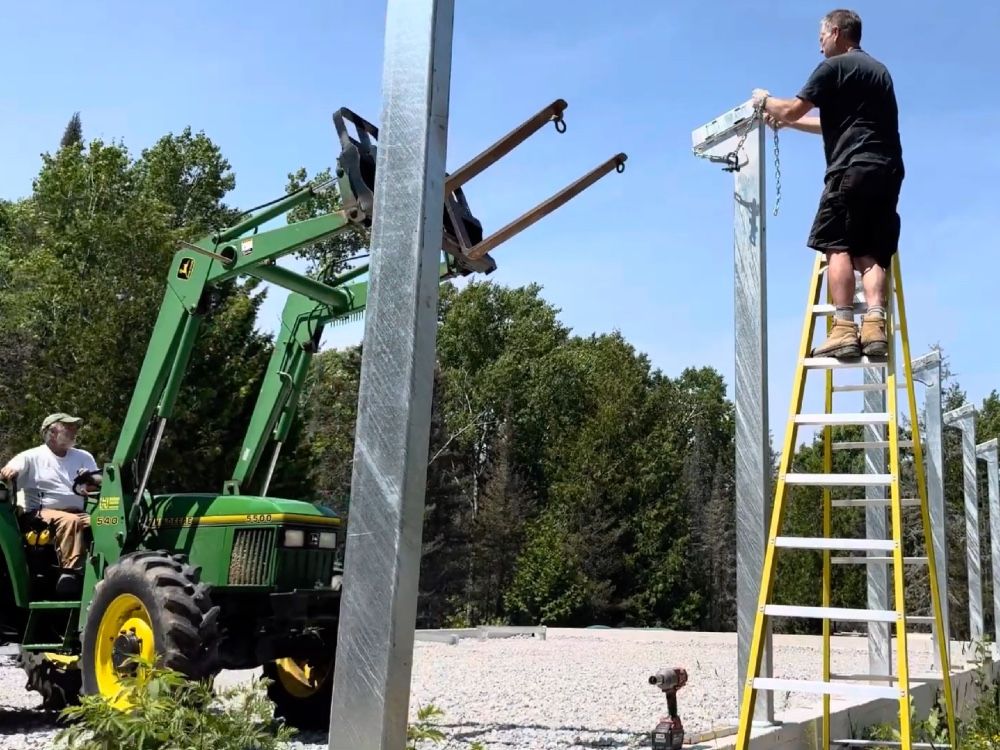
Building a fabric structure is generally faster and less complex than erecting a traditional building. The metal components are pre-engineered and delivered as a package, often weighing several thousand pounds. For example, a 42-by-80-foot structure can arrive on a flat-bed trailer and be unloaded quickly using equipment like a tractor with pallet forks.
Assembly involves erecting the steel legs and roof trusses, tasks that require some mechanical assistance such as a tractor with a loader or a small crane. While many buyers hire contractors for installation, individuals with basic construction experience and the right equipment can successfully assemble these buildings. Pulling the tarp over the frame is a team effort but can be completed efficiently with ropes and pulleys.
This streamlined construction process means that even large fabric structures can be erected in a matter of days, minimizing disruption and allowing owners to use the space sooner.
Versatility and Customization Options
Fabric structures come in a wide range of sizes and can be customized to meet specific needs. Widths can start as narrow as 16 feet, while lengths are virtually unlimited, with some industrial applications reaching over 600 feet long. This flexibility makes fabric structures suitable for various uses, including workshops, livestock housing, equipment storage, and even commercial applications such as sand and salt storage.
Customization extends to engineering specifications as well. Structures can be designed to handle local wind speeds, snow loads, and other environmental factors, ensuring safety and durability. This site-specific engineering is a significant advantage over generic storage solutions that may not be suited to challenging weather conditions.
Maintenance and Longevity Considerations
One of the standout benefits of fabric structures is their low maintenance requirements. The metal frame is rust-proof and designed to last indefinitely. The tarp covering, while durable, will eventually need replacement, but this process is straightforward and less costly than repairing or rebuilding traditional structures.
Because the fabric allows natural light to permeate, owners may save on energy costs. The materials used are also resistant to common outdoor hazards such as UV damage and moisture, further extending the lifespan of the shelter.
Overall, the long-term costs of owning and maintaining a fabric structure tend to be lower than those associated with conventional buildings, making them a smart investment for many property owners.
What this means
Fabric structures represent a mature, reliable technology that offers rural property owners and outdoor enthusiasts a practical alternative to traditional storage buildings. Their combination of affordability, durability, ease of construction, and customization makes them well-suited for storing a wide variety of outdoor equipment and providing versatile workspace solutions. While not all fabric shelters are created equal, investing in a professionally engineered structure tailored to local environmental conditions ensures long-term value and performance. For those seeking economical and durable outdoor storage, fabric structures are a compelling option worth serious consideration.
Originally reported by ottawacitizen.com. Adapted for our readers with AI assistance.
Recent advances in machine perfusion technology are not only preserving donated livers but also making them biologically younger at a molecular level. This breakthrough…
What happens when human imagination, artificial intelligence, art and technology come together? From September 1 to 6, Samsung Electronics presented a special exhibition themed…