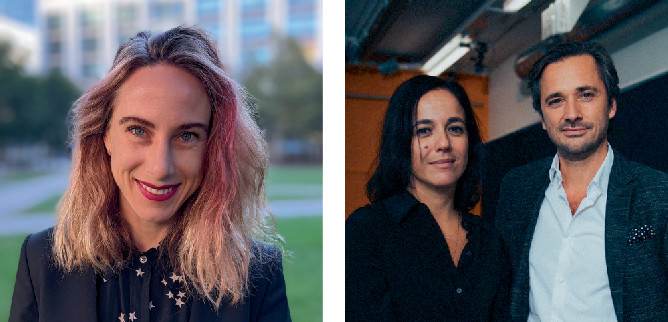
The field of neurotechnology is witnessing rapid advancements that promise to transform our understanding of the brain and offer new therapeutic avenues for neurological disorders. At the forefront of this revolution are three distinguished experts: Polina Anikeeva from MIT, Grégoire Courtine from EPFL, and Jocelyn Bloch, a neurosurgeon at Lausanne University Hospital. Together, their work encompasses innovative devices that decode brain function, implantable interfaces that restore mobility, and interdisciplinary approaches that bridge engineering and clinical neuroscience. This article explores their pioneering contributions and the exciting future of neurotechnology.
Profiles of Leading Neurotechnology Innovators
Polina Anikeeva, a professor at MIT, specializes in developing multifunctional neural interfaces that combine materials science and bioengineering to interact seamlessly with brain tissue. Her work focuses on creating devices that can record neural activity with high precision while minimizing tissue damage, enabling deeper insights into brain function.
Grégoire Courtine, based at EPFL, is renowned for his groundbreaking research on spinal cord repair and brain-computer interfaces. His interdisciplinary approach integrates neurobiology, robotics, and electrical engineering to develop implantable devices that restore motor functions in patients with paralysis.
Jocelyn Bloch, a neurosurgeon at Lausanne University Hospital, bridges clinical practice and research by implementing neurosurgical techniques alongside innovative neurotechnologies. Her work involves translating implantable brain-computer interfaces into real-world therapies to improve patient outcomes in neurological disorders.
Innovative Devices Unveiling Brain Function
Understanding the brain’s complex circuitry requires tools capable of interfacing at multiple scales with neural tissue. Anikeeva’s lab develops flexible, biocompatible probes that combine electrical, optical, and chemical modalities to monitor and manipulate brain activity simultaneously. These devices enable researchers to study neural dynamics with unprecedented resolution.
Such multifunctional probes are designed to minimize immune responses and long-term scarring, challenges that have historically limited chronic neural recordings. By employing advanced materials like soft polymers and nanomaterials, these interfaces adapt to brain movements, preserving signal fidelity over extended periods.
The integration of optogenetics with electrical sensing allows for precise modulation of specific neuron populations, providing insights into how different brain circuits contribute to behavior and cognition. This capability is key to unraveling the neural basis of complex processes and diseases.
Brain-Computer Interfaces Restoring Mobility
Grégoire Courtine’s work exemplifies the therapeutic potential of implantable brain-computer interfaces (BCIs) for neurological disorders. His team has developed neuroprosthetic systems that decode brain signals to stimulate spinal circuits, enabling paralyzed patients to regain voluntary movement.
This approach involves implanting electrodes in the brain and spinal cord, which communicate to bypass damaged neural pathways. By translating cortical intentions into spinal stimulation patterns, patients can initiate and control leg movements, effectively restoring walking ability.
Clinical trials have demonstrated significant improvements in motor function and quality of life, highlighting the transformative impact of these neurotechnologies. Courtine’s research also explores closed-loop systems that adapt stimulation based on real-time feedback, enhancing efficacy and safety.
Clinical Translation and Neurosurgical Innovations
Jocelyn Bloch plays a critical role in translating neurotechnological advances into clinical practice. Her expertise in neurosurgery enables the precise implantation of brain-computer interfaces, ensuring optimal placement and minimizing surgical risks.
Beyond implantation, Bloch’s work involves refining protocols for patient rehabilitation and device integration, addressing challenges such as immune compatibility and long-term device stability. She collaborates closely with engineers and neuroscientists to adapt technologies for diverse neurological conditions.
Her clinical insights inform the design of next-generation neuroprosthetics, tailoring them to patient-specific needs. This synergy between surgery and engineering accelerates the development of practical therapies that improve motor control, sensory feedback, and cognitive functions.
The advances discussed by Anikeeva, Courtine, and Bloch exemplify the necessity of interdisciplinary collaboration in neurotechnology. Combining expertise in materials science, neurobiology, engineering, and clinical medicine is essential to develop devices that are both scientifically sophisticated and clinically viable.
Such collaborations foster innovation by integrating diverse perspectives and methodologies. For instance, materials scientists develop biocompatible probes, neuroscientists decode brain activity, engineers build communication systems, and clinicians ensure safety and therapeutic relevance.
This integrative approach accelerates the translation from bench to bedside, ensuring that neurotechnologies not only advance fundamental knowledge but also deliver tangible benefits to patients with neurological impairments.
Ethical and Societal Implications of Neurotechnologies
As implantable brain-computer interfaces and neuroprosthetics become more prevalent, ethical considerations surrounding privacy, consent, and long-term impacts gain prominence. Anikeeva, Courtine, and Bloch advocate for responsible innovation that prioritizes patient autonomy and data security.
The potential for neurotechnologies to enhance or alter cognitive functions raises questions about identity and agency. Open dialogue among scientists, ethicists, patients, and policymakers is crucial to navigate these challenges and establish guidelines for safe use.
Moreover, equitable access to these transformative therapies remains a concern. Efforts to reduce costs and expand availability are necessary to ensure that neurotechnological advances benefit diverse populations and do not exacerbate health disparities.
Future Directions in Neurotechnology Research
The future of neurotechnology promises increasingly sophisticated devices capable of seamless integration with the nervous system. Advances in materials, miniaturization, and wireless communication will enable less invasive, more durable brain-computer interfaces.
Emerging fields such as artificial intelligence and machine learning are poised to enhance signal decoding and adaptive feedback, improving device responsiveness and personalization. These innovations could expand applications beyond motor restoration to cognitive enhancement and mental health treatment.
Continued collaboration among researchers like Anikeeva, Courtine, and Bloch will drive the next generation of neurotechnologies, transforming how we understand and treat neurological disorders and ultimately improving patient quality of life.
Conclusion
The collaborative efforts of Polina Anikeeva, Grégoire Courtine, and Jocelyn Bloch highlight the remarkable progress in neurotechnology, blending cutting-edge science with clinical expertise to transform neurological care. Their work underscores the importance of interdisciplinary innovation in developing implantable brain-computer interfaces and multifunctional neural devices that restore function and deepen our understanding of the brain. As this dynamic field evolves, continued focus on ethical frameworks and patient-centered design will ensure these technologies fulfill their promise to enhance lives globally.
Originally reported by nature.com. Adapted for our readers.
Author of the article: Published Sep 18, 2026 11 minute read Article content Kyndryl Canada has been engaged to deliver a commercialization strategy and…
The National Agency for Science and Engineering Infrastructure (NASENI) on Friday 4th September 2026, marked three years of institutional transformation under its Executive Vice…
Municipal Administration Minister P. Narayana speaks to residents after laying the foundation stone for the slum redevelopment project at Velampeta, near Lakshmi Nagar in…