Flour upcycled from olive waste a ‘revolution’ for alternative
Technology tamfitronics
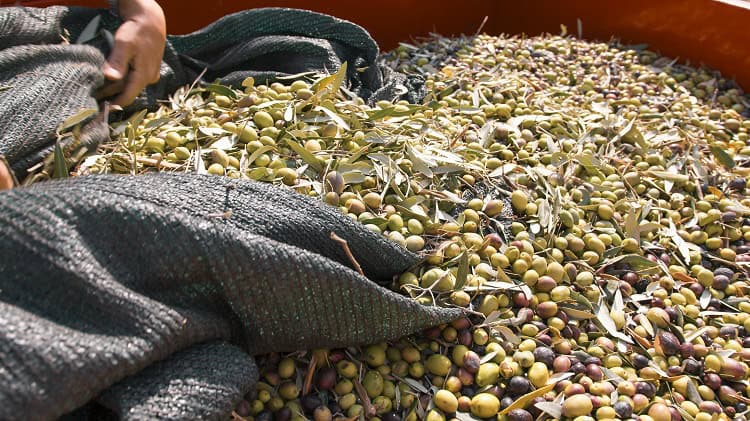
Olive oil is a huge industry, with more than three million metric tons produced yearly. And yet the sector is enormously wasteful: to make olive oil, only 15% of the fruit is used. The remaining semi-solid waste known as pomace quickly oxidises, becomes toxic, and is most often discarded.
Innovators in Israel are working to upcycle this could-be waste to create a different result. Having patented an ‘advanced’ technology that prevents oxidisation, start-up PhenOlives is turning this olive oil side stream into flour for the food industry.
“We’re the first company to find a way to stop the oxidisation of olive oil waste,” explained Len Pader, VP of business development at PhenOlives. “This is a revolution for the olive oil industry.”
The problem with olive waste…and how to fix it
At olive oil mills, olive-laden trucks constantly arrive to unload large quantities of raw fruit for oil production. What many may not know is that loaded trucks also frequently leave the mill. And they are not all carrying oil.
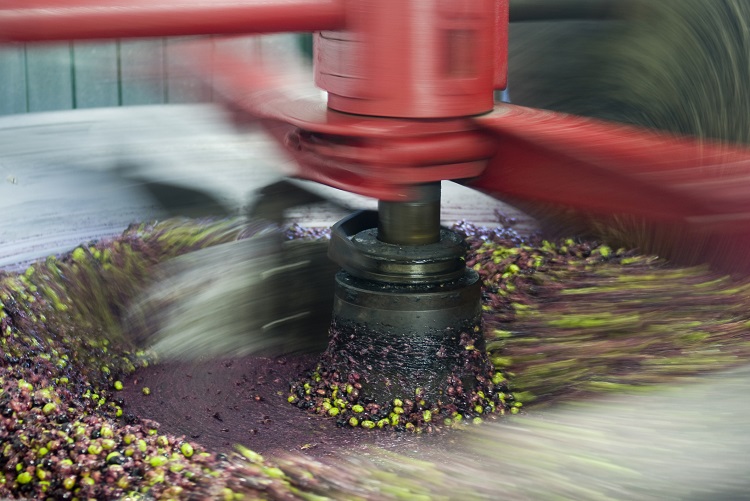
Pomace, a byproduct of the olive oil production process, is removed in this manner. Because pomace oxidizes quickly, it often ends up in landfill. A portion may even be disposed of near vegetation, although it is known to contaminate the soil. The smell is also ‘gruesome’, recalled Pader.
This waste makes up much of the farmer’s output, meaning that in the waste, farmers are paid for only 15% of what they produce.
The olive oil sector is enormously wasteful: to make olive oil, only 15% of the fruit is used. GettyImages/SurkovDimitri
In order to valorise this waste, while also helping olive farmers earn more for their efforts, PhenOlives has developed patented technology capable of combating olive pomace oxidation.
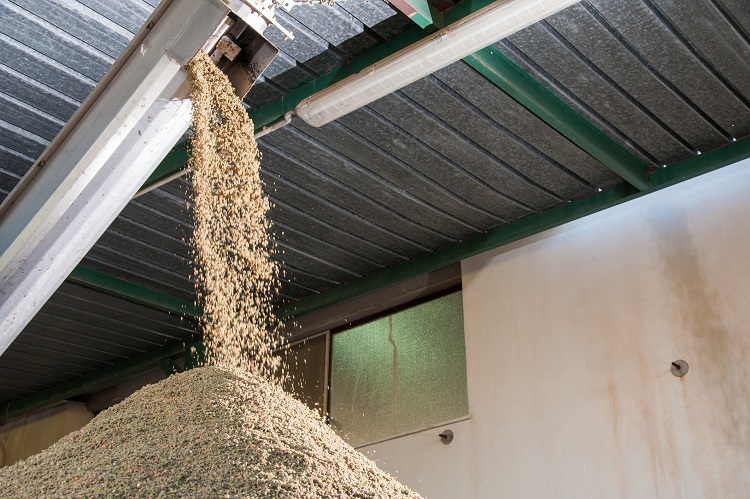
“It’s a natural process,” CEO Chen Lev-Ari told FoodNavigator. The start-up removes the pomace from the olive mill, runs it through its proprietary equipment (about which he remained tight-lipped), and separates the by-product into various substances: pulp, black water, and seeds.
The pulp is then dried and milled into a gluten-free flour, antioxidants could possibly even be extracted from the black water, and the seeds have potential to be used by industries other than food and beverage, Lev-Avri said. “There isn’t any waste.”
Dietary benefits and application potential of olive flour
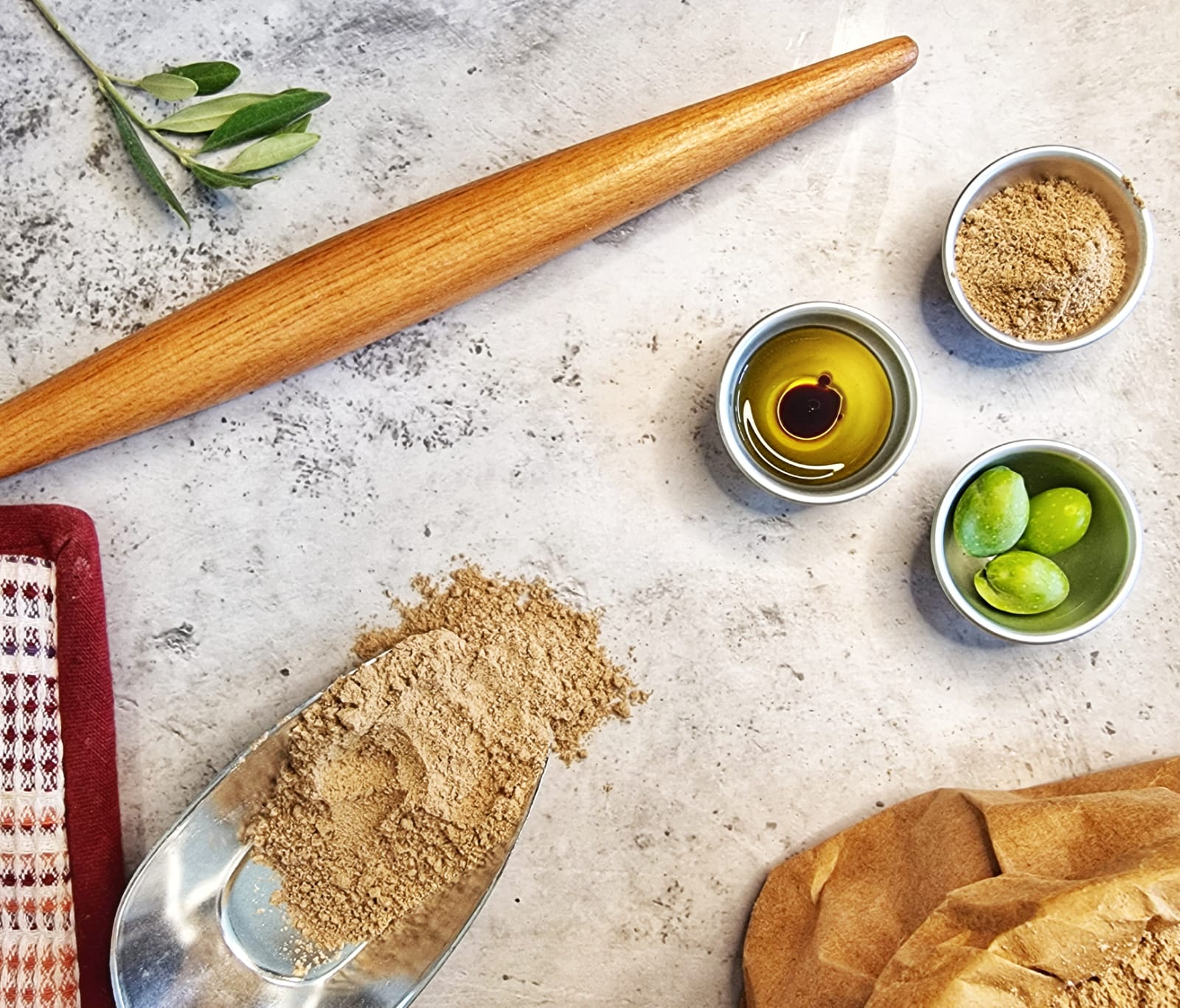
The start-up dries the olive pulp and mills it into a flour. Photo credit: PhenOlives
For PhenOlives, the dry, milled pomace is the star product. As a flour, it does not have the typical white colour of conventional wheat flour, but instead is slightly brown in colour. “It has several remarkable properties that no other flour currently available on the market possesses,” we were told.
Part of this is due to the antioxidants (such as tyrosol and hydroxytyrosol) derived from the discarded olive water, and another is the polyphenols naturally present in olives (which inspired the name PhenOlives).
Olive flour is also exceptionally high in fibre. Whereas a standard plain white flour contains less than 3% fibre, PhenOlives’ olive flour contains a substantial 80%. It is also low in sugar, low in fat, low in calories, and high in carbohydrates.
Olives: a rising ingredient in food and drink?
PhenOlives is not the first company to recognise the potential health benefits of olives. Last year, Starbucks launched itsOleato line which mixes coffee with extra virgin olive oil.
What Starbucks is bringing to drinks, PhenOlives is bringing to food, said CEO Chen Lev-Ari. “We believe that people should enjoy the benefits of olive oil every day. Our olive flour allows people to access the benefits of olive oil through food.”
PhenOlives is focused on the bakery sector. Being neutral in taste, the gluten-free flour has broad potential, we were told, ranging from breads to pastas, cookies and crackers. Depending on the product, a varying proportion of olive flour is substituted in.
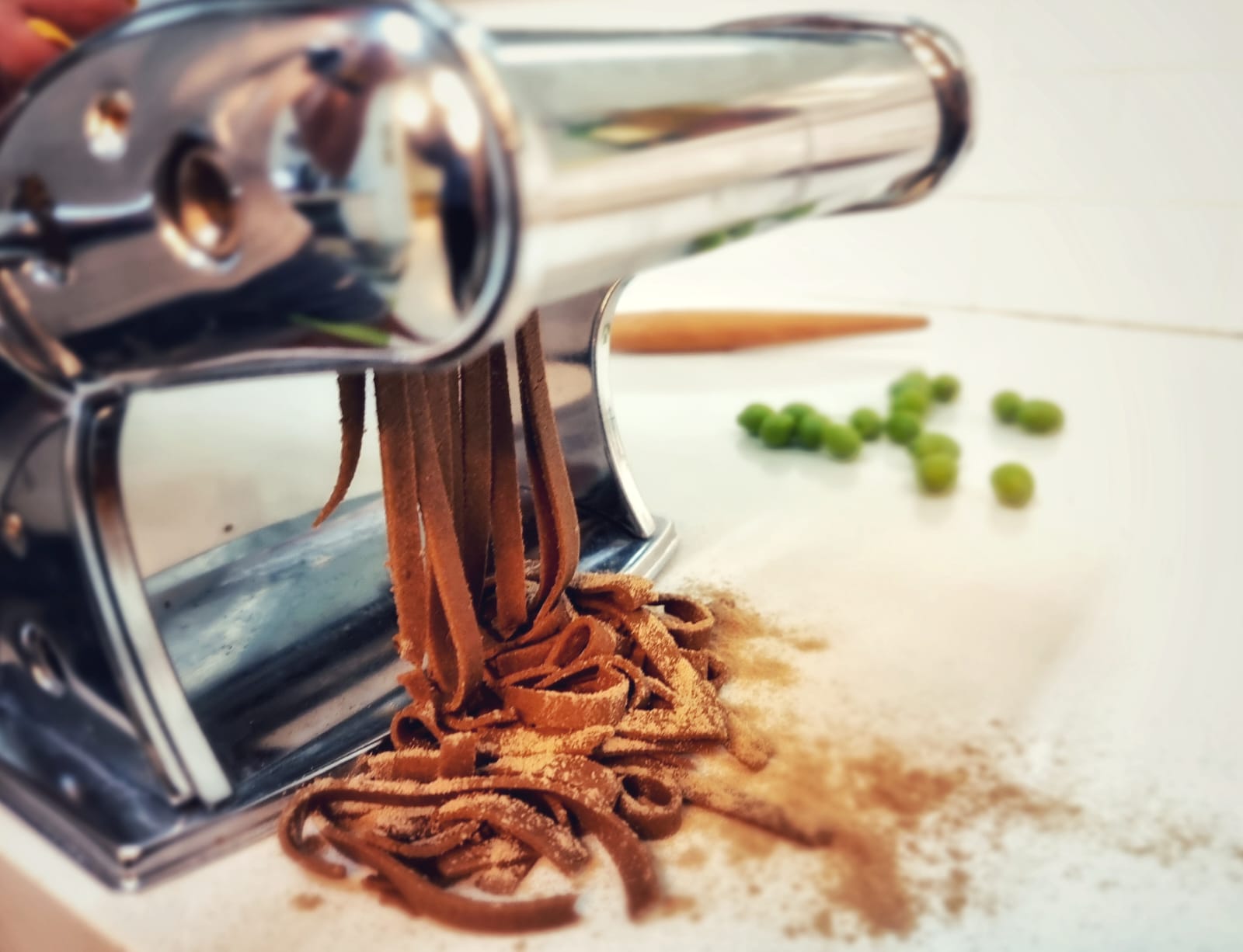
Crackers, for example, could be made with 100% olive flour, whereas pasta is more likely to use 50%. Bread could be made with 20%, and cookies, 30%.
To construct pasta, PhenOlives recommends using 50% regular flour and 50% olive flour. Photo credit: PhenOlives
The dried pulp also has potential for other applications outside of bakery, such as a gluten-free stabiliser, for example, or to be used as a fibre supplement in the nutraceutical sector. PhenOlives is also exploring opportunities in domestic pet feed.
Is olive flour a new food?
Although olives have been consumed for millennia, PhenOlives’ anti-oxidation process is brand-new.
In the startup’s native Israel, olive flour has been popular as a brand-new food. In the US, PhenOlives’ technology is currently undergoing GRAS evaluation, and in the EU, it does not require novel food approval, given the flour is a by-product of olives. Furthermore, the olive flour process is ‘fully natural’ with ‘no chemicals or additives used’.
On substances lists, the initiate-up expects it could perchance most likely well possibly perchance be appear merely as ‘olive flour’.
From a pricing viewpoint, PhenOlives needs to be competitive with other gluten-free flours on the market. “It helps that we don’t need to grow a single olive to make the flour,” the CEO explained. “Because we’re using a byproduct, we’re able to keep our pricing in line. Our goal is to be at or below the lower-priced gluten-free flours.
In olive oil manufacturing, the pomace oxidises quickly. PhenOlive’s patented technology prevents this process. GettyImages/siculodoc
As to its business model, PhenOlives is partnering with olive mills to obtain the raw material, processing it at its own sites (located fairly close to olive oil mills), and producing substances to sell B2B. In so doing, PhenOlives expects the mills to pay farmers more for their olives.
The pomace will be sourced almost exclusively from Europe, where the overwhelming majority of olive oil is produced. Although Israel produces olive oil, it accounts for only 0.1% of global production. PhenOlive has its sights set on countries such as Spain, Greece, Italy and Portugal.
PhenOlive has raised NIS 2.8m (€698,000) from the Israel Innovation Authority, and upon closing its first funding round plans to scale the commercialisation of its olive flour, while simultaneously developing new products from the olive pulp and black water.
Recent advances in machine perfusion technology are not only preserving donated livers but also making them biologically younger at a molecular level. This breakthrough…
What happens when human imagination, artificial intelligence, art and technology come together? From September 1 to 6, Samsung Electronics presented a special exhibition themed…