
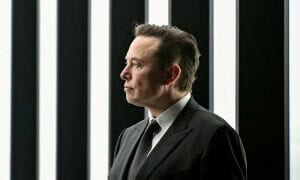
Elon Musk, the visionary entrepreneur and CEO of Tesla, recently made headlines with his high-profile visit to China. This trip marks Musk’s second journey to the country within a year, underscoring Tesla’s commitment to expanding its presence in the world’s largest electric vehicle (EV) market. Central to Musk’s visit is Tesla’s ambition to accelerate the rollout of its self-driving capabilities, a move that could significantly impact both the company’s future and the broader EV landscape in China. This article delves into the details of Musk’s visit, the strategic significance of China for Tesla, and the challenges and opportunities surrounding autonomous driving technologies in this competitive market.
Elon Musk’s Strategic Visit to China
On a recent Sunday in Beijing, Elon Musk met with Premier Li Qiang, China’s number two political official, signaling Tesla’s ongoing engagement with Chinese governmental authorities. Premier Li reassured Musk that China remains committed to maintaining an open and supportive environment for international companies. This meeting highlights the importance China places on foreign investment, especially in cutting-edge industries like electric vehicles and autonomous driving.
Musk’s visit comes less than a year after his previous trip to China, reflecting Tesla’s urgency to deepen cooperation with the Chinese market. China represents Tesla’s largest market outside the United States, and Musk’s presence underscores his desire to strengthen relationships and potentially navigate regulatory pathways for Tesla’s next-generation technologies.
During the meeting, Musk praised the dedication of Tesla’s workforce at the Shanghai Gigafactory, emphasizing the company’s intent to enhance collaboration and innovation within China. This factory is a critical hub for Tesla’s production and supply chain, reinforcing China’s role in Tesla’s global strategy.
China’s Commitment to International Investment
Premier Li Qiang’s assurances to Musk reaffirm China’s open-door policy toward foreign enterprises, particularly in technology and manufacturing sectors. The Premier promised continuous efforts to improve market access and provide robust support services to international companies operating in China.
China’s strategy aims to foster a favorable business climate that encourages innovation and competition, enabling companies like Tesla to thrive. By improving regulatory transparency and infrastructure, China hopes to attract and retain leading global firms in its rapidly evolving EV market.
This approach is part of a broader initiative to integrate foreign investment into China’s economic growth plans, especially in advanced industries such as electric vehicles, renewable energy, and autonomous driving technologies. Tesla’s cooperation is viewed as a crucial element in this vision.
Tesla’s Position in China’s EV Market
Tesla has become a household name in China, where electric vehicles have rapidly transitioned from niche products to mainstream transportation options. The Shanghai Gigafactory plays a vital role in meeting local demand and reducing costs through localized production.
Despite Tesla’s strong presence, the company faces fierce competition from domestic manufacturers like BYD, which surpassed Tesla in quarterly EV sales in late 2023. However, Tesla reclaimed the top spot in China’s EV market in early 2024, demonstrating its resilience and continued consumer appeal.
The competitive landscape is intense, with Chinese firms rapidly innovating and expanding their product lines. Tesla’s ability to sustain its market share depends on continuous innovation, competitive pricing, and regulatory compliance, especially as the market matures.
Advancing Self-Driving Technologies in China
One of the primary objectives of Musk’s visit is to push forward Tesla’s self-driving capabilities in China. Autonomous driving is a key area of focus for Tesla, aiming to revolutionize transportation safety and efficiency globally, including in the Chinese market.
China’s regulatory environment for self-driving technologies is evolving, with authorities cautiously optimistic about the potential benefits but mindful of safety and security concerns. Musk’s discussions with Chinese officials likely revolved around navigating these regulatory frameworks to accelerate Tesla’s deployment of advanced driver-assistance systems (ADAS) and full self-driving (FSD) features.
Tesla’s software updates and data collection in China are crucial for refining its autonomous driving algorithms. By leveraging China’s vast urban infrastructure and diverse driving conditions, Tesla aims to enhance its self-driving performance and reliability.
Challenges and Controversies Tesla Faces in China
Tesla’s journey in China has not been without hurdles. In early 2024, Tesla recalled over 1.6 million vehicles in China due to steering system issues, a move that temporarily dented consumer confidence. Such quality control challenges necessitate stringent oversight and continuous improvement.
Geopolitical tensions and data security concerns have also complicated Tesla’s operations in China, with authorities scrutinizing how Tesla manages data collected from Chinese vehicles. Ensuring compliance with local data laws remains a critical factor for Tesla’s sustained success.
Additionally, Tesla must navigate increasing competition from local EV startups and established automakers who are aggressively investing in autonomous driving and battery technologies. Maintaining a competitive edge requires Tesla to innovate rapidly while adapting to China’s unique market dynamics.
Impact of China’s Auto Industry on Global EV Trends
China’s auto industry is a global powerhouse driving rapid advancements in electric and autonomous vehicles. The country’s scale and government support create an environment conducive to technological breakthroughs and mass adoption of EVs.
Tesla’s engagement with China allows the company to tap into this dynamic ecosystem, benefiting from local talent, supply chains, and regulatory incentives. Conversely, China’s domestic automakers are increasingly influencing global EV standards and market expectations.
The competition between Tesla and Chinese manufacturers like BYD, NIO, and newcomer Xiaomi fosters innovation and accelerates the rollout of new technologies worldwide. China’s leadership in EV production and sales is reshaping the global automotive landscape.
The Role of Auto Shows and Industry Events in China
Musk’s visit coincided with a major auto show in Beijing, a significant event showcasing the latest developments in the automotive sector. These exhibitions provide a platform for manufacturers to unveil new models, technologies, and strategic partnerships.
For Tesla, participating in such events is an opportunity to demonstrate its technological prowess and commitment to the Chinese market. It also facilitates dialogue with industry stakeholders, regulators, and consumers.
The auto show environment fosters competition and collaboration, essential for driving innovation in EVs and self-driving technologies. It also helps companies gauge market trends and consumer preferences in real time.
Looking Ahead: Tesla’s Future in China and Beyond
Elon Musk’s visit reaffirms Tesla’s strategic focus on China as a critical market for growth and technological development. The company’s push for self-driving capabilities aligns with its broader vision for sustainable and autonomous transportation.
Success in China will require Tesla to deepen local partnerships, address regulatory challenges, and maintain high standards of quality and safety. The company’s ability to adapt to China’s unique market conditions will be pivotal in sustaining its competitive advantage.
As Tesla advances its self-driving rollout, the outcomes of Musk’s visit may influence global perceptions of autonomous driving technologies and accelerate their adoption worldwide. China’s role as a testing ground for these innovations is increasingly vital to the future of mobility.
Conclusion
Elon Musk’s visit to China is a strategic milestone for Tesla as it seeks to solidify its position in the world’s largest electric vehicle market and accelerate the rollout of self-driving technologies. The Chinese government’s supportive stance toward foreign investment provides a promising backdrop for Tesla’s ambitions. However, the company must continuously address quality, regulatory, and competitive challenges to thrive. As China continues to lead global EV innovation, Tesla’s collaboration and competition within this market will play a decisive role in shaping the future of autonomous and electric mobility worldwide.