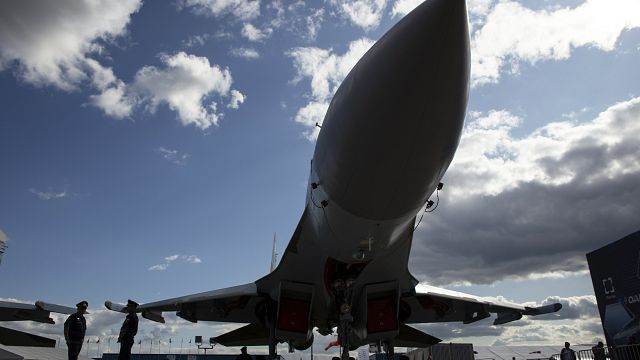
Egypt hosts first International Aviation and Space Exhibition
In a historic milestone for the Middle East and North Africa region, Egypt hosted its inaugural International Aviation and Space Exhibition at El Alamein International Airport from September 3 to 5, 2024. The event marked a significant leap forward in Egypt’s ambition to become a regional hub for aerospace technology and defense innovation. Featuring a spectacular aerial display and an extensive showcase of military and civilian aircraft, drones, and space systems, the exhibition brought together leading aerospace companies and delegations from around the world. This article explores the highlights, key participants, technological breakthroughs, and strategic implications of this pioneering event.
Aerial Spectacle: Fighter Jets and Aerobatics Captivate Audiences
The skies above El Alamein were electrified with breathtaking aerobatic performances by advanced fighter jets, setting the tone for the exhibition’s dynamic opening. Pilots executed complex maneuvers with precision, demonstrating the agility and power of modern military aircraft. These aerial displays not only entertained the attendees but also underscored the technological advancements made in aviation.
Among the most anticipated performances were those by the Turkish Aerospace Kaan fighter jets, which executed white-knuckle maneuvers at supersonic speeds. These demonstrations highlighted the capabilities of fifth-generation aircraft, blending stealth, speed, and versatility. The visual spectacle helped generate excitement about the future of aerial combat and aerospace innovation.
The aerial acrobatics also served as a practical showcase for Egypt’s defense and aviation sectors, signaling the country’s commitment to advancing its air force capabilities. The event provided a platform for military and civilian aviation experts to witness firsthand the performance potential of new-generation aircraft.
Showcasing Cutting-Edge Aerospace Technology
The exhibition’s runway and hangars were lined with an impressive array of military jets, helicopters, and spacecraft, representing the latest advancements in aerospace technology. Companies from around the globe presented their most innovative products, ranging from unmanned aerial vehicles (UAVs) to advanced missile systems. This comprehensive showcase reflected the rapid evolution of aviation and space technologies.
Turkish Aerospace emerged as a prominent exhibitor, unveiling its fifth-generation Kaan fighter jet, designed to replace older F-16 fighters. The Kaan’s twin-engine design, all-weather capabilities, and advanced weaponry systems positioned it as a formidable contender in the international defense market. Its maiden flight earlier in 2024 demonstrated Turkey’s growing prowess in aerospace engineering.
Other exhibitors included EDGE from the UAE, which highlighted its expertise in UAVs with products like the Garmoosha drone. This light unmanned system boasts a six-hour endurance and a payload capacity of 100 kilograms, illustrating the increasing role of drones in modern warfare and surveillance.
The Strategic Importance of the Kaan Fighter Jet
The Kaan fighter jet, developed by Turkish Aerospace, was one of the exhibition’s focal points. Designed as a fifth-generation air superiority fighter, it features a top speed of Mach 1.8 and a service ceiling of 17,000 meters. Equipped with air-to-air and surface-to-air missiles, as well as bomb payload capabilities, the Kaan represents a significant upgrade over older models.
Mehmet Demirolu, CEO of Turkish Aerospace, emphasized the jet’s potential for collaboration with Egyptian defense authorities. Beyond its combat capabilities, the Kaan offers training and light attack configurations tailored to the needs of different air forces. This flexibility enhances its appeal to foreign buyers, including Egypt.
The Kaan’s development, which began in 2010, symbolizes Turkey’s strategic ambition to become a leading aerospace manufacturer. Its presence at the exhibition reflects a broader regional trend toward indigenous defense technologies and reduced reliance on imported equipment.
Global Participation and Diplomatic Significance
The International Aviation and Space Exhibition attracted delegations from major aerospace and defense powers, including Russia, China, and the United Arab Emirates. Their participation underscored Egypt’s growing geopolitical importance as a nexus for aerospace collaboration and trade in the region.
President Abdel Fattah El-Sisi’s attendance highlighted the exhibition’s national significance. His presence signaled Egypt’s commitment to advancing its aerospace capabilities and fostering international partnerships. The event served as a platform for dialogue on defense cooperation and technology exchange.
The convergence of diverse countries and companies fostered an environment conducive to business negotiations and strategic alliances. The exhibition not only showcased technology but also facilitated diplomatic engagement, reflecting the interconnected nature of aerospace development and international relations.
Unmanned Aerial Vehicles and Emerging Technologies
UAVs or drones were a major highlight at the exhibition, demonstrating their ever-expanding role in both military and civilian applications. EDGE’s Garmoosha drone exemplified this trend with its impressive payload capacity and endurance, making it suitable for reconnaissance, surveillance, and light attack missions.
The exhibition featured an array of unmanned systems, including quadcopters and advanced missile platforms. These technologies reflect the ongoing shift toward automation and remote operation in aerospace, enhancing operational efficiency and reducing risks to human pilots.
Industry experts at the event discussed the future of UAVs, emphasizing advancements in artificial intelligence, sensor integration, and autonomous navigation. These innovations are expected to revolutionize aerial combat and commercial aviation alike in the coming decades.
Egypt’s Vision for Aerospace Development
Hosting the first International Aviation and Space Exhibition aligns with Egypt’s broader vision to become a regional aerospace hub. This initiative is part of a national strategy to diversify the economy, strengthen defense capabilities, and promote technological innovation.
The government has invested heavily in infrastructure, including the development of El Alamein International Airport as a center for aerospace events and operations. This investment aims to attract global aerospace companies and foster a domestic ecosystem of research and manufacturing.
By facilitating knowledge exchange and showcasing advanced technologies, Egypt hopes to stimulate local industry growth, create skilled jobs, and enhance its strategic autonomy. The exhibition represents a foundational step in realizing these aspirations.
Economic and Industrial Impact of the Exhibition
The International Aviation and Space Exhibition is expected to generate significant economic benefits for Egypt. It creates opportunities for trade deals, foreign direct investment, and technology transfer, all crucial for industrial growth in the aerospace sector.
Local suppliers and service providers stand to gain from increased demand generated by new aerospace projects and partnerships. The event also boosts tourism and hospitality sectors, as international visitors and delegations converge on El Alamein.
Long-term, the exhibition helps position Egypt as a competitive player in the global aerospace market. By fostering innovation and industrial capacity, the country can attract further investment and enhance its export potential in defense and commercial aviation products.
Looking Ahead: The Future of Aviation and Space in Egypt
The success of the first International Aviation and Space Exhibition sets the stage for future editions, establishing Egypt as a key venue for aerospace dialogue and development. Continued government support and private sector engagement will be essential to sustain momentum.
Emerging trends such as space exploration, satellite technology, and next-generation fighter aircraft will likely feature prominently in upcoming exhibitions. Egypt’s participation in international aerospace programs may also expand, enhancing its technological capabilities.
Ultimately, the exhibition reflects a broader global shift toward innovation-driven aerospace industries. Egypt’s proactive approach positions it to capitalize on these trends, contributing to regional security, economic growth, and scientific advancement.
Conclusion
The inaugural International Aviation and Space Exhibition in Egypt represents a defining moment for the country’s aerospace sector. By bringing together cutting-edge technology, global industry leaders, and strategic partners, the event highlights Egypt’s rising prominence in aviation and space innovation. With a clear vision to develop indigenous capabilities and foster international collaboration, Egypt is poised to become a regional powerhouse in aerospace. This exhibition not only showcased technological marvels but also laid the groundwork for sustainable industrial growth and enhanced geopolitical influence. As Egypt continues to invest in its aerospace future, the international community will undoubtedly watch closely, anticipating further advancements and partnerships emerging from this vibrant new hub.
Originally reported by africanews.com. Adapted for our readers.
Recent advances in machine perfusion technology are not only preserving donated livers but also making them biologically younger at a molecular level. This breakthrough…
What happens when human imagination, artificial intelligence, art and technology come together? From September 1 to 6, Samsung Electronics presented a special exhibition themed…