The development of capsules with reversible project functions marks a revolutionary step in drug delivery technology. Traditional capsules release their contents irreversibly, which limits the ability to control dosage post-administration or to neutralize the drug in case of adverse reactions. Reversible capsules, however, offer the unique capability to modulate or halt drug release after administration, enhancing safety and efficacy. This article explores the scientific foundations, design strategies, material considerations, and practical applications of capsules engineered for reversible project, shedding light on their promising role in personalized medicine and controlled therapeutics.
Understanding Reversible Project in Capsule Design
Reversible project in capsule design refers to the ability to control the release of a drug from a capsule after it has been administered. Unlike traditional capsules that release their contents once ingested, reversible capsules can either modulate the dosage or completely neutralize the drug's activity in the body. This feature is particularly valuable for drugs with narrow therapeutic windows or those requiring rapid intervention in case of side effects.
The concept hinges on integrating responsive materials or mechanisms within the capsule that react to external stimuli or internal biological signals. These triggers can include changes in pH, temperature, enzymatic activity, or externally applied fields such as light or magnetic forces. By leveraging these triggers, the capsule's structure or permeability can be altered, controlling the timing and extent of drug release.
In essence, reversible project transforms capsules from passive drug carriers into active, controllable delivery systems. This advancement opens new avenues for precision medicine, where drug administration can be dynamically adjusted according to patient needs or clinical conditions.
Materials and Technologies Enabling Reversible Capsules
The design of reversible capsules relies heavily on smart materials that respond predictably to specific stimuli. Hydrogels, polymers, and lipid-based materials are commonly employed due to their tunable properties and biocompatibility. For example, pH-sensitive polymers can swell or shrink in response to gastrointestinal tract pH variations, modulating drug release accordingly.
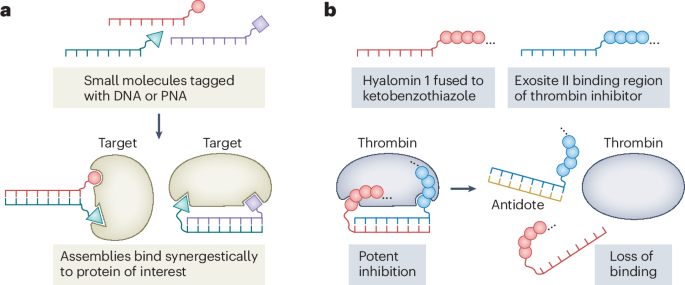
Advanced nanotechnology also plays a critical role, with nanoparticles or nanocapsules engineered to disassemble or change permeability upon exposure to targeted triggers. DNA and peptide nucleic acid (PNA) derivatives have emerged as promising components due to their programmable nature and ability to bind specific molecules, enabling precise control over capsule integrity and drug encapsulation.
Moreover, integrating external control mechanisms such as light-activated compounds or magnetically responsive materials allows clinicians to non-invasively regulate drug release post-administration. This external control empowers real-time adjustments to therapy, improving safety profiles and therapeutic outcomes.
Mechanisms of Action in Reversible Capsule Project
Reversible capsules utilize diverse mechanisms to achieve controlled drug release and neutralization. One common approach involves reversible chemical bonds within the capsule matrix that can be broken or reformed in response to stimuli, altering capsule permeability. For instance, disulfide bonds sensitive to reducing environments can enable drug release in specific tissues or be re-crosslinked to halt release.
Another mechanism is physical alteration of the capsule’s structure. Temperature-sensitive materials can transition between gel and sol states, opening or closing pores for drug diffusion. Similarly, swelling or contraction of hydrogels in response to pH changes can regulate the encapsulated drug’s escape.
Enzymatic triggers offer a biological angle, where specific enzymes present in target tissues degrade the capsule coating to release the drug. Conversely, enzyme inhibitors can be co-delivered to stop this process, providing an additional layer of reversibility and control.
Applications in Anticoagulant Therapy and Beyond
One of the most compelling applications of reversible capsules is in anticoagulant therapy. Anticoagulants require precise dosing to prevent clotting without causing excessive bleeding. Capsules designed with reversible project capabilities enable quick neutralization of the anticoagulant if bleeding risks escalate, enhancing patient safety.
Beyond anticoagulants, reversible capsules hold promise in chemotherapy, where modulating drug exposure can reduce toxicity and improve treatment tolerability. Similarly, in chronic diseases requiring long-term medication, reversible capsules can adjust dosing dynamically in response to patient status or side effects.
In vaccine delivery, reversible capsules can control antigen release timing, potentially improving immune response and reducing booster requirements. The versatility of this technology suggests wide-ranging impacts across multiple therapeutic areas.
Challenges in Designing Reversible Capsules
Despite their potential, designing capsules with reversible project properties presents several challenges. Ensuring biocompatibility and safety of responsive materials is paramount, as unintended immune reactions or toxicity must be avoided. Rigorous testing and regulatory approval processes are essential to validate these materials for clinical use.
Achieving precise and reproducible control over drug release requires sophisticated engineering and thorough understanding of the interaction between capsule materials and biological environments. Variability in patient physiology can affect capsule response, necessitating adaptable or personalized design strategies.
Manufacturing complexity and cost also pose barriers. Incorporating smart materials and external control elements increases production intricacy, which can impact scalability and affordability. Overcoming these hurdles is critical to translate reversible capsule technology from research to widespread clinical application.
Future Directions and Innovations
Emerging research focuses on integrating artificial intelligence and biosensing technologies with reversible capsules to create fully autonomous drug delivery systems. These smart capsules could monitor patient biomarkers in real time and adjust drug release accordingly, optimizing therapeutic efficacy while minimizing side effects.
Advancements in materials science continue to expand the palette of stimuli-responsive substances, including multi-responsive capsules that react to combinations of triggers for enhanced precision. Development of biodegradable and environmentally friendly materials also aligns with sustainability goals in pharmaceutical manufacturing.
Collaborative efforts between bioengineers, chemists, and clinicians are driving translational research to bring reversible capsule technologies into practical use. Clinical trials and pilot studies will be crucial in demonstrating safety, efficacy, and patient acceptance, paving the way for next-generation drug delivery systems.
Designing for Patient-Centric Outcomes
Patient comfort and adherence are critical considerations in the design of reversible capsules. Capsules must remain stable and effective under physiological conditions while offering user-friendly administration routes, such as oral or injectable forms. Minimizing capsule size and ensuring taste masking are additional factors enhancing patient compliance.
Customization of capsules to individual patient needs, including personalized dosing regimens and reversible control tailored to specific health conditions, aligns with the broader trend towards precision medicine. This approach aims to maximize therapeutic benefits while reducing adverse effects and improving quality of life.
Educational initiatives and clear communication about the benefits and use of reversible capsules will be essential to foster patient trust and acceptance. As this technology progresses, involving patients in the design process can provide valuable insights and promote successful clinical adoption.
Conclusion
Designing capsules with reversible project capabilities represents a transformative advancement in pharmaceutical technology. By enabling precise, controllable drug release and neutralization, these capsules address critical limitations of conventional delivery systems. Although challenges remain in materials development, manufacturing, and clinical translation, ongoing innovations and interdisciplinary collaboration are rapidly advancing the field. As reversible capsules move closer to clinical reality, they promise to enhance patient safety, enable personalized therapies, and revolutionize drug administration paradigms across diverse medical applications.
Originally reported by nature.com. Adapted for our readers.
Recent advances in machine perfusion technology are not only preserving donated livers but also making them biologically younger at a molecular level. This breakthrough…
What happens when human imagination, artificial intelligence, art and technology come together? From September 1 to 6, Samsung Electronics presented a special exhibition themed…