Crew-8 astronauts remain mum about post-splashdown medical issue
The Crew-8 mission, which saw NASA astronauts Michael Barratt, Matthew Dominick, and Jeanette Epps, along with Roscosmos cosmonaut Alexander Grebenkin, spend 235 days aboard the International Space Station (ISS), concluded with a splashdown on October 25. Shortly after their return, the astronauts were taken to a hospital in Pensacola, Florida, for medical evaluations. One astronaut was admitted overnight but released in good health the following day. NASA and the crew have since refrained from disclosing specifics about the medical issue, citing privacy and ongoing evaluations. This article examines the known facts surrounding the post-splashdown medical event, the astronauts’ experiences, and the broader context of astronaut health during and after extended space missions.
Post-Splashdown Medical Evaluations: What We Know
Following their return to Earth on October 25, the four Crew-8 members were transported to a local hospital for additional medical assessments. NASA described this precautionary step as "out of an abundance of caution." While one NASA astronaut required an overnight hospital stay, the individual was released the next day in stable condition and good health.
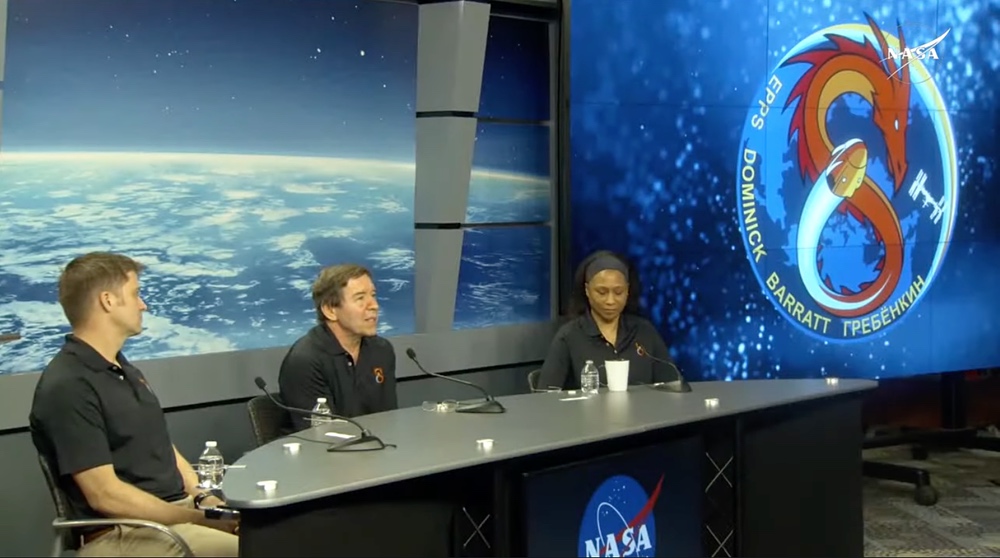
NASA has not revealed the identity of the hospitalized astronaut or the nature of the medical concern. During a press conference on November 8, the three NASA astronauts declined to discuss the incident, emphasizing the importance of medical privacy and the need for due process in understanding the event.
Michael Barratt, a physician and Crew-8 astronaut, described the situation as a "medical event" that is still being investigated. He highlighted that spaceflight presents unique and sometimes unexpected medical challenges, and that more information will be shared in due course once evaluations are complete.
Astronauts’ Perspectives on Health and Recovery
The Crew-8 astronauts have been gradually readjusting to Earth's gravity after nearly eight months in microgravity. Matthew Dominick noted that recovery is a slow process, while Jeanette Epps emphasized individual variability in how astronauts respond to reentry and rehabilitation.
Their cautious approach to discussing the medical event reflects a broader understanding within the space community that astronaut health is complex and often unpredictable. Barratt, who has a background in space medicine, expressed a commitment to transparency once privacy and procedural considerations allow.
This reserved stance contrasts with recent unfounded rumors about astronaut Sunita Williams’ health aboard the ISS. NASA swiftly dismissed those claims, reaffirming that all astronauts on the station undergo regular medical monitoring and are currently in good health.
Challenges During the Crew-8 Mission: Aborted Spacewalks
Before their return, the Crew-8 team faced significant operational challenges, notably two aborted spacewalks in June. The first, involving Matthew Dominick and NASA astronaut Tracy Dyson, was canceled due to a "spacesuit discomfort issue." The second, involving Michael Barratt and Dyson, was aborted after a water leak was detected in an umbilical line connecting Dyson’s suit to the station systems.
Barratt described the leak as "not trivial," noting that the water turned to ice inside the airlock, creating a dramatic "blizzard" of ice particles. Dyson’s quick and skillful response to reconnect the umbilical was praised as "heroic," and Barratt recounted how he assisted in closing the airlock hatch amid the icy conditions.
The root cause was traced to a poppet valve that failed to seat properly on the umbilical interface. NASA replaced the entire umbilical and related components, conducting thorough testing to prevent recurrence. However, the timing of the repairs meant no further spacewalks could be conducted before the mission’s end.
Dominick expressed frustration at being unable to perform his planned spacewalk after years of preparation, underscoring the emotional and professional challenges astronauts face when mission plans change unexpectedly.
Space Medicine and the Importance of Medical Privacy
The Crew-8 medical event highlights the evolving field of space medicine, which seeks to understand how the human body responds to the stresses of space travel and reentry. Despite advances, many physiological responses remain poorly understood, necessitating cautious monitoring and privacy considerations.
Astronauts’ health data are protected to respect individual privacy and to ensure that medical evaluations and treatments are conducted without external pressure or speculation. This approach also allows NASA and its medical teams to analyze incidents thoroughly before releasing information.
Barratt’s comments emphasize that transparency will come in time, once medical processes are complete. This balance between openness and confidentiality is crucial for maintaining trust between astronauts, the space agency, and the public.
Looking Ahead: Future Spacewalks and Ongoing ISS Operations
NASA’s recent statements indicate that the next spacewalks from the ISS are planned for early 2025, following the resolution of technical issues encountered during the Crew-8 mission. Bill Spetch, NASA’s ISS operations and integration manager, confirmed that the umbilical and associated hoses have been replaced and tested, with all suit systems functioning as expected.
The Crew-8 astronauts’ experiences provide valuable lessons for future long-duration missions, including the importance of robust suit systems, comprehensive medical monitoring, and the psychological resilience required when mission objectives shift unexpectedly.
As NASA continues to prepare for missions to the Moon, Mars, and beyond, understanding and managing astronaut health remains a top priority. The Crew-8 mission contributes to this growing body of knowledge, even as some details remain confidential for now.
What this means
The Crew-8 mission underscores the inherent challenges of human spaceflight, from technical hurdles like spacesuit malfunctions to the unpredictable nature of astronaut health after long-duration missions. While the recent medical event following splashdown remains confidential, the astronauts’ cautious approach reflects a commitment to privacy and thorough medical evaluation. As NASA continues to advance space exploration, the lessons learned from Crew-8 will inform future missions and medical protocols, ensuring astronaut safety remains paramount. Public interest in astronaut health is understandable, but patience and respect for privacy are essential as space medicine evolves and adapts to new frontiers.
Originally reported by spacenews.com. Adapted for our readers with AI assistance.
Recent advances in machine perfusion technology are not only preserving donated livers but also making them biologically younger at a molecular level. This breakthrough…
What happens when human imagination, artificial intelligence, art and technology come together? From September 1 to 6, Samsung Electronics presented a special exhibition themed…