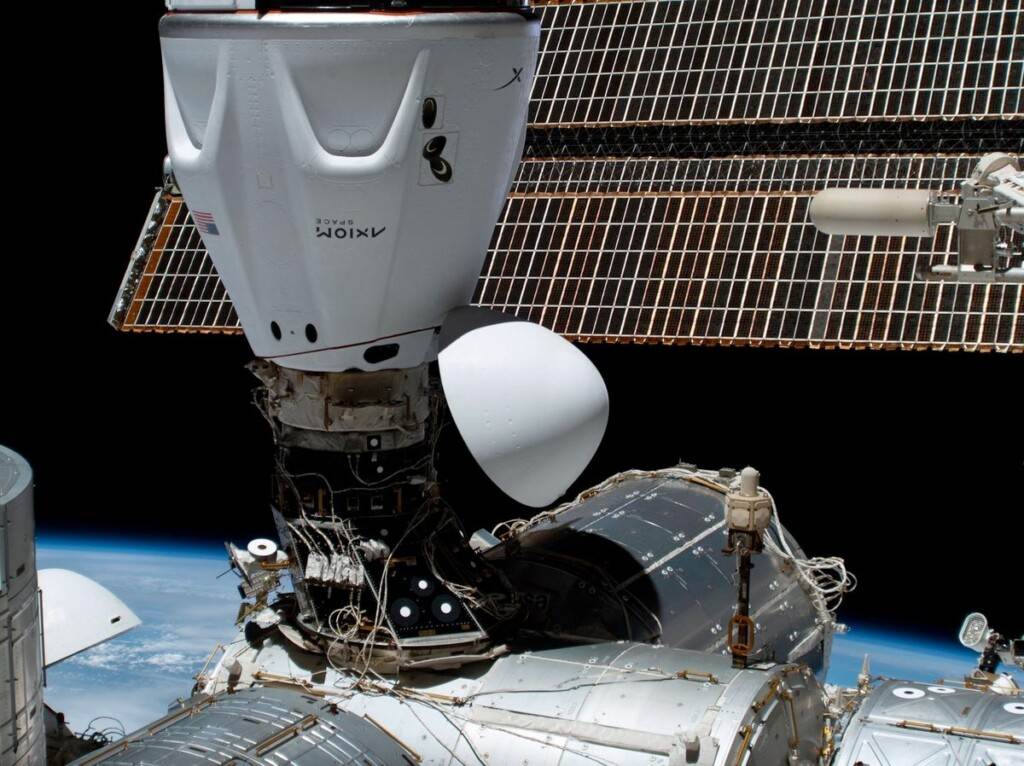
Companies seek more opportunities to send private astronaut missions to ISS
The commercialization of low Earth orbit (LEO) is rapidly reshaping human spaceflight. Since NASA’s 2019 policy enabling private astronaut missions (PAMs) to the International Space Station (ISS), companies have pursued new avenues to send private citizens and government astronauts into orbit. These missions not only provide invaluable operational experience but also stimulate global interest in space exploration. However, despite the clear potential, the pace of PAMs remains slower than anticipated. This article explores why companies are seeking more opportunities for private astronaut missions to the ISS, the challenges they face, and the broader implications for the future of commercial space stations.
NASA’s Policy Framework for Private Astronaut Missions
In 2019, NASA established a policy framework to promote the commercialization of the International Space Station by allowing up to two private astronaut missions per year. This initiative aimed to open the door for private companies to fly astronauts to the ISS, fostering commercial activity in low Earth orbit and encouraging investment in human spaceflight.
NASA’s approach involved issuing Requests for Proposals (RFPs) for individual PAM opportunities, with the goal of gradually increasing private sector participation. By enabling private astronauts to visit the ISS, NASA hoped to stimulate demand, build operational experience, and set the stage for a future where commercial space stations could succeed the ISS.
Despite this clear policy direction, the actual cadence of PAMs has been slower than expected, with only three missions flown so far and a fourth planned for the near future. This slow pace has prompted companies to advocate for more frequent mission opportunities to fully leverage the ISS as a platform for private astronaut flights.
Axiom Space’s Leadership in Private Astronaut Missions
Axiom Space has emerged as the primary operator of private astronaut missions to the ISS, having flown three missions—Ax-1 in April 2022, Ax-2 in May 2023, and Ax-3 in January 2024—with a fourth, Ax-4, scheduled for spring 2025. These missions have demonstrated the viability of commercial crewed spaceflight and provided valuable insights into private astronaut operations.
The initial Ax-1 mission carried three private individuals, marking a historic milestone for commercial spaceflight. Subsequent missions have increasingly included government astronauts, reflecting growing international interest and collaboration. Axiom’s experience underscores the demand for human spaceflight beyond traditional government programs.
Despite Axiom’s success, the company acknowledges the need to maintain a steady flow of missions. Jared Stout, Axiom’s vice president of government and external relations, emphasizes that continuing private astronaut missions is essential to fully capitalize on the ISS asset and to nurture a global ecosystem of spacefaring nations and industries.
Emerging Competitors and Expanding Market Interest
While Axiom Space has dominated early PAM opportunities, new entrants like Vast Space are preparing to compete for future missions. Vast Space plans to launch its Haven-1 space station in late 2025 and views private astronaut missions as crucial stepping stones toward operating independent commercial orbital platforms.
Richard Leshner, vice president of government affairs at Vast, expresses optimism about NASA continuing to issue RFPs for PAMs but also voices concerns about budget constraints potentially limiting the agency’s capacity to support multiple missions annually. This highlights the delicate balance between ambition and available funding within NASA’s commercial space initiatives.
The entry of new competitors signals a maturing commercial space market, where multiple companies seek to establish footholds in human spaceflight. Increased competition is expected to drive innovation, reduce costs, and expand access to space, benefiting governments, private individuals, and scientific communities alike.
The Role of Government Partnerships in Private Astronaut Missions
Government collaboration remains a vital component of private astronaut missions. Many PAMs now feature astronauts representing countries that have not previously had the opportunity to send their nationals into space, fostering international cooperation and broadening the global space community.
Axiom’s recent missions, for example, have included government astronauts alongside private participants, reflecting the strategic importance of these flights for diplomacy, scientific research, and national prestige. Such partnerships help justify the investment in private missions and demonstrate the practical benefits of commercial spaceflight.
Moreover, governments see private astronaut missions as catalysts for inspiring their populations and industries. By participating in these missions, countries can stimulate STEM education, promote space-related economic development, and strengthen their presence in the rapidly evolving space economy.
Challenges Limiting the Pace of Private Astronaut Missions
Despite strong demand, several challenges have slowed the pace of private astronaut missions to the ISS. Budgetary constraints within NASA’s commercial space program have limited the number of RFPs issued, reducing the frequency of mission opportunities available to private companies.
Operational complexities and safety considerations also play a role. Each mission requires meticulous planning, coordination with ISS partners, and rigorous crew training, which can extend timelines. Additionally, the limited availability of spacecraft like SpaceX’s Crew Dragon influences scheduling and mission cadence.
These challenges underscore the need for sustained investment and policy support to maintain momentum. Without a clear commitment to increasing PAM frequency, companies risk losing the operational experience and customer interest necessary to build a robust commercial spaceflight market.
The Transition from the ISS to Commercial Space Stations
Private astronaut missions serve as a critical bridge between the ISS era and the upcoming generation of commercial space stations. By flying PAMs, companies gain operational knowledge and build customer bases that will support future space habitats independent of government-owned infrastructure.
NASA’s vision includes fostering a competitive marketplace where commercial stations eventually replace the ISS as humanity’s primary outpost in low Earth orbit. These new stations aim to offer more diverse services, including research, manufacturing, tourism, and national space programs.
Continuing and expanding PAMs is essential to this transition. As Richard Leshner of Vast Space notes, it would be counterproductive for NASA to reduce support for these missions. Instead, increasing their number will accelerate the development of commercial stations and ensure a seamless handover from ISS operations.
Global Interest and the Future of Human Spaceflight
The growing global interest in sending private and government astronauts to the ISS reflects a broader trend toward democratizing access to space. Countries around the world are eager to participate in human spaceflight, viewing it as a driver of national pride, technological advancement, and economic growth.
Private astronaut missions provide a relatively affordable and flexible way for nations without extensive space programs to gain experience and inspire their citizens. This democratization could lead to more diverse and frequent missions, enriching the space environment with new perspectives and collaborations.
Looking ahead, it is plausible that multiple private astronaut missions from various countries could occur every year, creating a vibrant and interconnected space community. This vision aligns with NASA’s goal of fostering a dynamic commercial space economy and expanding humanity’s presence in orbit.
Conclusion: Unlocking the Potential of Private Astronaut Missions
Private astronaut missions to the ISS are a transformative step in the commercialization of space. They provide critical experience for companies, opportunities for governments, and inspiration for the public. However, to fully unlock their potential, increased frequency and support for these missions are essential.
Companies like Axiom Space and Vast Space are ready to expand their efforts, but they require clear signals from NASA and sustained funding to maintain momentum. The ongoing success of PAMs will catalyze the development of commercial space stations, ensuring a vibrant future for human spaceflight beyond the ISS.
Ultimately, expanding private astronaut missions will not only advance space technology but also foster international cooperation and inspire the next generation of explorers. Stakeholders must work collaboratively to seize this opportunity and pave the way for a thriving, inclusive space economy.
Conclusion
Private astronaut missions to the International Space Station represent a pivotal evolution in human spaceflight, bridging government and commercial efforts to open space to a wider array of participants. While progress has been steady, the demand for more frequent and diverse missions is clear. By addressing budgetary and operational challenges, NASA and industry can accelerate the pace of PAMs, fostering a vibrant commercial space economy and preparing for the eventual transition to private space stations. This collaborative effort promises to expand humanity’s reach in space, inspire global audiences, and drive technological and economic advancements for decades to come.
Originally reported by spacenews.com. Adapted for our readers.
Recent advances in machine perfusion technology are not only preserving donated livers but also making them biologically younger at a molecular level. This breakthrough…
What happens when human imagination, artificial intelligence, art and technology come together? From September 1 to 6, Samsung Electronics presented a special exhibition themed…