
AI Trends & News
Surface Laptop Ultra Pre-orders Open: Price, Release Date and AI Features
Microsoft opens Surface Laptop Ultra pre-orders from US$2,599.99. Explore its launch date, NVIDIA RTX Spark features and implications for Nigerian businesses.
TAMFIS NIG LTDRC 8067447CAC ACTIVEFinima, Bonny Island, Rivers State

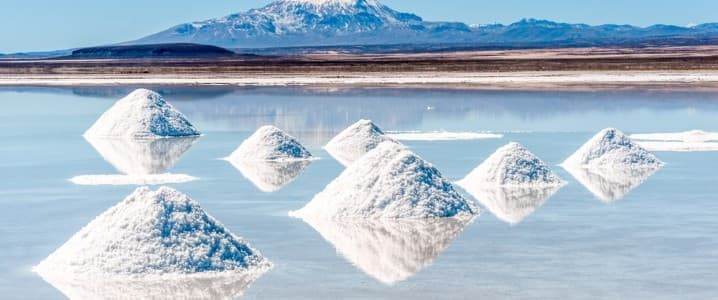
The global energy transition is reshaping industries and redefining priorities for many corporations. Among the most surprising developments is the increasing involvement of traditional oil giants in the lithium sector. Lithium, often dubbed the 'white gold' of the clean energy era, is critical for manufacturing batteries that power electric vehicles (EVs) and store renewable energy. While Big Oil has historically been synonymous with fossil fuels, recent years have seen these companies quietly invest in lithium extraction and production. This article explores the motivations, strategies, and potential implications of Big Oil’s growing stake in the lithium revolution.
Lithium has become indispensable in the global shift towards sustainable energy. Its primary use in lithium-ion batteries for EVs and energy storage systems positions it at the heart of the clean energy revolution. As countries commit to reducing carbon emissions, the demand for lithium is skyrocketing, driving a surge in production and investments worldwide.
International agencies forecast a dramatic increase in lithium consumption. The International Renewable Energy Agency (IRENA) projects lithium demand for battery production to grow tenfold between 2020 and 2030. This growth is fueled by expanding EV markets, grid storage needs, and consumer electronics, highlighting lithium's critical role in decarbonizing transportation and power sectors.
However, current global lithium production remains insufficient to meet future demands. In 2021, the world produced approximately 105,000 tonnes of lithium, whereas estimates suggest that by 2030, an electrified economy could require between 250,000 and 450,000 tonnes annually. This supply-demand gap has prompted major players, including traditional oil companies, to explore lithium production opportunities aggressively.
Major oil companies are increasingly viewing lithium as a strategic asset rather than just a mineral commodity. Firms like ExxonMobil have begun investing heavily in lithium extraction projects, signaling a diversification of their portfolios beyond fossil fuels. These ventures often occur quietly, reflecting cautious positioning amid energy market uncertainties.
For example, ExxonMobil recently initiated lithium drilling operations in Arkansas and secured a preliminary supply deal with South Korean battery manufacturer SK On. Such moves indicate the company's ambition to produce lithium sufficient for powering up to one million electric vehicles annually by 2030, integrating lithium production into its broader low-carbon investment strategy.
Other oil majors are exploring innovative methods to extract lithium, such as recovering the element from oil and gas wastewater and repurposing lands where hydrocarbon extraction has declined. This approach leverages existing infrastructure and expertise, potentially reducing costs and environmental impacts while expanding lithium supply.
China currently dominates the global lithium market, controlling nearly 10% of lithium reserves and over 70% of global lithium refining capacity. This dominance extends through extensive supply agreements, particularly in South America’s lithium-rich ‘triangle’ region, posing strategic challenges for other nations reliant on secure lithium supplies.
The concentration of lithium processing in China has raised concerns about supply chain vulnerabilities, especially amid rising geopolitical tensions. Western countries, including the United States, are motivated to reduce dependence on Chinese lithium by fostering domestic production and diversifying international partnerships.
Big Oil’s investments in lithium are aligned with these geopolitical objectives. By leveraging their capital and operational expertise, oil companies can accelerate the development of lithium resources in the West and other regions, potentially reshaping global supply dynamics and enhancing energy security for clean technology manufacturing.
Recognizing the strategic importance of lithium, the U.S. government has implemented policies and funding programs to boost domestic lithium production. These initiatives aim to establish a secure supply chain for critical minerals essential to the clean energy economy, reducing reliance on foreign sources, particularly China.
Federal investments focus on developing mining infrastructure, streamlining regulatory approvals, and supporting research into advanced lithium extraction technologies. Such efforts complement Big Oil’s private investments, creating a synergistic environment for scaling up lithium production sustainably and efficiently.
Furthermore, government support extends to fostering partnerships between industry players and battery manufacturers, ensuring that lithium supply aligns with growing demand from electric vehicle and energy storage sectors. This integrated approach enhances the United States’ competitiveness in the global clean energy market.
Big Oil companies are pioneering new lithium extraction methods that capitalize on their existing resources and expertise. One promising avenue involves extracting lithium from geothermal brines and oilfield wastewater—fluids traditionally viewed as waste in fossil fuel operations but rich in lithium content.
This method not only provides an alternative lithium source but also offers environmental benefits by repurposing waste streams and minimizing the ecological footprint of mining activities. Such innovations align with oil companies’ broader sustainability goals as they transition towards low-carbon business models.
Additionally, oil firms are exploring direct lithium extraction (DLE) technologies that promise faster and more efficient recovery of lithium from brines compared to conventional evaporation ponds. These advancements could revolutionize lithium supply chains by reducing production times and environmental impacts.
Despite recent fluctuations in lithium prices, the long-term economic outlook for lithium remains robust. Increasing global demand for EVs and renewable energy storage ensures sustained growth in lithium markets, attracting substantial capital from diverse investors, including Big Oil.
Oil companies view lithium not only as a strategic resource but also as a high-return investment opportunity. The potential profitability from supplying lithium to battery manufacturers and clean energy firms complements their efforts to diversify revenue streams amid declining fossil fuel demand.
Moreover, integrating lithium production into their portfolios enables oil majors to leverage their existing logistical, technological, and financial capabilities, positioning themselves competitively in the rapidly evolving clean energy supply chain.
While lithium is critical for clean energy, its extraction raises environmental and social concerns that companies must address responsibly. Traditional lithium mining can lead to water depletion, habitat disruption, and pollution, particularly in sensitive regions like South America’s lithium triangle.
Big Oil’s involvement introduces both opportunities and challenges. Their financial resources and technical expertise could foster more sustainable mining practices and innovations that reduce environmental impacts. However, scrutiny over their historical environmental records necessitates transparency and community engagement to build trust.
Collaborations with local communities, adherence to stringent environmental standards, and investment in reclamation projects are essential for ensuring that lithium extraction supports both ecological preservation and social well-being, aligning with the broader goals of the clean energy transition.
As the clean energy revolution advances, Big Oil’s growing involvement in lithium production signals a significant strategic pivot. These companies are positioning themselves to remain relevant by investing in the materials underpinning electric mobility and renewable energy storage.
Looking ahead, the success of these investments will depend on market dynamics, technological advancements, regulatory frameworks, and global geopolitical developments. Oil majors that effectively integrate lithium production into their portfolios could emerge as influential players in the clean energy supply chain.
Ultimately, Big Oil’s quiet lithium revolution reflects broader industry transformations, underscoring the complex interplay between traditional energy sectors and emerging clean technologies in shaping a sustainable energy future.
Big Oil’s quiet but strategic investments in lithium production represent a transformative shift in the energy sector. As global demand for lithium surges amid the clean energy transition, these companies are leveraging their resources and expertise to secure a foothold in this critical market. While challenges remain, including environmental concerns and geopolitical complexities, the integration of lithium into Big Oil’s portfolios underscores a broader industry evolution. This move not only diversifies their business models but also positions them as key contributors to the sustainable energy future. The lithium revolution, powered in part by traditional oil giants, is set to play a pivotal role in shaping the next era of global energy.
Originally reported by oilprice.com. Adapted for our readers.
Keep reading
AI Trends & News
Microsoft opens Surface Laptop Ultra pre-orders from US$2,599.99. Explore its launch date, NVIDIA RTX Spark features and implications for Nigerian businesses.
Science & Technology
DJI’s IBC recognition puts pocket gimbal and panoramic capture in the spotlight. Here is how creators can assess framing, editing effort and recording workflows.
Business News
App store steering is about more than permission to add a link. Explore fees, renewal terms, customer experience and the UK consultation.
TAMFIS NIG LTD
Electrical and instrumentation engineering, bid preparation and consulting, IT and software.

