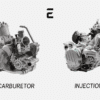
Carburetors have been a fundamental component of internal combustion engines for over a century. Their simple mechanical design allows them to mix air and fuel to power vehicles, motorcycles, and small engines effectively. However, with the advent of fuel injection systems and advanced engine management technologies, the question arises: Are carburetor adjustments still important? This article delves into the significance of carburetor tuning, its role in engine performance, and how it compares and complements modern fuel delivery systems.
Understanding Carburetor Basics and Their Function
A carburetor is a mechanical device designed to mix air and fuel in precise ratios required for combustion. It operates based on Bernoulli’s principle, where air flowing through a narrowed passage creates a vacuum that draws fuel from the float chamber into the airstream. This mixture then enters the combustion chamber to power the engine.
Key components of a carburetor include the throttle valve, which regulates airflow and engine speed; the float chamber, maintaining consistent fuel levels; jets that spray fuel into the airstream; and the choke, which enriches the mixture for cold starts. These elements work in harmony to ensure proper engine operation.
Despite being a relatively simple mechanism, carburetors require periodic adjustments to maintain optimal performance. Factors such as altitude, temperature, and engine wear can affect the air-fuel mixture, making tuning essential for efficiency, power, and emissions control.
Why Carburetor Adjustments Remain Relevant Today
Even with the widespread adoption of fuel injection, many motorcycles, classic cars, and small engines still rely on carburetors. Proper adjustment of these carburetors is crucial to ensure the engine runs smoothly, delivers sufficient power, and maintains fuel efficiency.
Carburetor tuning affects the air-fuel ratio, which directly influences combustion quality. An overly rich mixture wastes fuel and increases emissions, while a lean mixture can cause engine knocking or overheating. Adjustments help prevent these issues, prolonging engine life and performance.
Moreover, environmental factors like changes in altitude and temperature impact carburetor performance more significantly than fuel injection systems. Regular tuning enables carburetors to compensate for these conditions, maintaining consistent engine behavior across diverse environments.
Common Signs That Indicate Carburetor Adjustment Is Needed
Several symptoms signal that a carburetor may require adjustment. These include rough idling, engine stalling, poor acceleration, increased fuel consumption, and black smoke from the exhaust. Recognizing these signs early can prevent more serious engine damage.
For instance, if the engine hesitates or bogs down when accelerating, it may indicate a lean fuel mixture requiring richer settings. Conversely, excessive black smoke or fuel smell suggests a rich mixture needing to be leaned out.
Regular maintenance checks, including spark plug inspection and listening for irregular engine sounds, also help detect carburetor issues. Timely tuning based on these observations ensures optimal engine performance and reliability.
The Impact of Modern Technologies on Carburetor Tuning
Recent advancements, such as EXAP (Exhaust Air Pressure) technology, have enhanced engine performance by optimizing exhaust flow and torque delivery. This technology can complement carburetor systems by improving low-end torque and smoothing power curves.
While fuel injection systems offer precise control via electronic management, carburetors benefit from mechanical simplicity and ease of adjustment. Innovations like EXAP demonstrate that carbureted engines can still achieve competitive performance when properly tuned.
However, these technologies cannot fully compensate for poorly adjusted carburetors. Proper tuning remains essential to maximize the benefits of modern enhancements and ensure balanced air-fuel mixtures under all operating conditions.
Comparing Carburetor Adjustments with Fuel Injection Systems
Fuel injection systems use electronic controls and sensors to deliver fuel precisely, adapting in real-time to changing conditions. This results in improved fuel efficiency, lower emissions, and consistent performance regardless of altitude or temperature.
In contrast, carburetors rely on mechanical adjustments that require manual tuning to adapt to environmental changes. While less precise, carburetors offer simplicity, ease of repair, and cost-effectiveness, appealing to enthusiasts and in applications where electronic controls are impractical.
Despite these differences, carburetor adjustments remain important for vehicles using them, especially where fuel injection is not feasible or desired. Understanding the strengths and limitations of each system helps owners maintain optimal engine function.
How to Properly Adjust a Carburetor for Optimal Performance
Adjusting a carburetor involves tuning the idle speed, air-fuel mixture screws, and sometimes the float level. These steps ensure the engine receives the correct fuel volume and airflow for efficient combustion.
Start by warming up the engine to operating temperature, then adjust the idle speed screw to achieve a stable idle. Next, fine-tune the air-fuel mixture screws by turning them slowly until the engine runs smoothly without hesitation or stalling.
It is essential to consult the manufacturer’s specifications and use appropriate tools during adjustments. Inaccurate tuning can lead to poor performance, increased emissions, and potential engine damage. When in doubt, seeking professional assistance is advisable.
Maintenance Tips to Keep Carburetors Functioning Smoothly
Regular cleaning of carburetor components prevents clogging caused by dirt, varnish, or fuel residue. Using carburetor cleaner sprays and removing jets for inspection helps maintain proper fuel flow.
Replacing worn gaskets, seals, and float needles during routine maintenance ensures airtight operation and prevents fuel leaks. Additionally, using fresh, clean fuel reduces the risk of contamination and deposits.
Periodic inspection of the choke mechanism and throttle linkage ensures smooth operation and response. Proper lubrication of moving parts also contributes to consistent carburetor performance and longevity.
The Future of Carburetors in a Modern Automotive Landscape
While fuel injection dominates new vehicles due to stricter emissions regulations and efficiency demands, carburetors remain relevant in classic vehicles, motorcycles, and small engines worldwide. Their mechanical simplicity and ease of repair continue to appeal to many users.
Emerging technologies like EXAP and hybrid systems may extend the viability of carbureted engines by enhancing performance and emissions without sacrificing traditional tuning methods. This fusion of old and new could preserve carburetor relevance for years to come.
Ultimately, whether carburetor adjustments remain important depends on the application and user preferences. For many enthusiasts and practical users, mastering carburetor tuning remains a valuable skill that ensures reliable and enjoyable engine operation.
Conclusion
Despite the rise of fuel injection systems, carburetors continue to hold an important place in many engines around the world. Their mechanical nature demands regular adjustments to ensure optimal air-fuel mixtures, which directly impact engine performance, efficiency, and emissions. Advances in technology like EXAP enhance carburetor capabilities but do not eliminate the need for tuning. For enthusiasts, classic vehicle owners, and operators of small engines, mastering carburetor adjustments remains an essential skill. As automotive technology evolves, carburetors will likely coexist with modern systems, blending tradition with innovation to deliver reliable engine performance.
Recent advances in machine perfusion technology are not only preserving donated livers but also making them biologically younger at a molecular level. This breakthrough…
What happens when human imagination, artificial intelligence, art and technology come together? From September 1 to 6, Samsung Electronics presented a special exhibition themed…