An International Space Station Leak Is Getting Worse—and Keeping NASA Up at Night
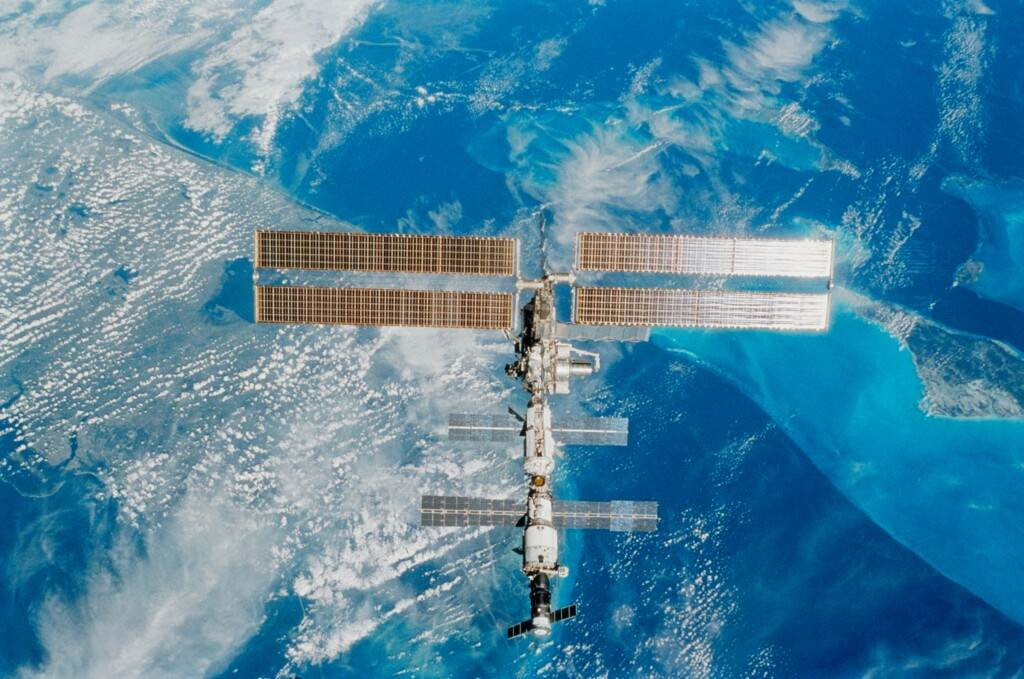
The International Space Station (ISS) has been a symbol of international cooperation and human ingenuity in space exploration for more than two decades. However, beneath the surface of this marvel lies a troubling issue that has been quietly intensifying: a persistent air leak in a small but critical Russian module known as the PrK tunnel. Since its discovery in 2019, the leak has gradually worsened, posing operational challenges and safety concerns for NASA and its international partners. As the ISS nears the end of its operational lifespan, this leak not only highlights the vulnerabilities of aging space infrastructure but also underscores the urgency of planning for the future of human presence in low Earth orbit. This comprehensive article explores the origin, impact, and mitigation efforts surrounding the ISS leak, alongside the broader implications for space station operations and future orbital endeavors.
The Origins and Nature of the ISS Leak
The leak originates from the PrK tunnel, a small Russian module that serves as a connecting passage between a Progress spacecraft airlock and the larger Star module. This tunnel, though modest in size, plays a vital role in maintaining the integrity of the Russian segment's docking and airlock systems. The leak was first detected in September 2019, marking the beginning of a persistent issue that has since drawn heightened scrutiny from NASA and Roscosmos, the Russian space agency.
Initial investigations into the leak revealed that the rate of atmospheric loss was relatively low, less than one pound per day. However, over the years, the leak rate has steadily increased, signaling a worsening problem. By February 2024, the leak had escalated to approximately 2.4 pounds of air lost daily, and by April, it surged further to nearly 3.7 pounds per day. Such an increase not only strains the station's life-support systems but also raises concerns about potential structural degradation.
Despite extensive analysis, the root cause of the leak remains unidentified. Both NASA and Russian engineers have concentrated their investigations on the internal and external welds of the PrK tunnel, suspecting that microscopic cracks or flaws in these areas may be responsible. The uncertainty surrounding the source complicates repair efforts and heightens the risk profile of the affected module.
Operational Challenges and Risk Management
To mitigate the leak's impact, NASA and Roscosmos have adopted operational strategies focused on limiting air loss. One key measure involves keeping the hatch on the Star module leading into the PrK tunnel closed, effectively isolating the leak to prevent it from affecting other parts of the station. In extreme scenarios, this hatch closure could become permanent, which would reduce the number of available Russian docking ports from four to three, potentially complicating spacecraft arrivals and departures.
The leak has been classified as a high-risk issue in NASA's internal risk matrix, reaching the highest severity level, denoted as '5' for both likelihood and consequence. This classification reflects the agency's concern about the leak’s potential to escalate into a critical situation that might jeopardize the station’s structural integrity or crew safety. The elevated risk status has prompted intensified monitoring and contingency planning.
Despite these concerns, public statements from NASA have remained measured, emphasizing that the leak is confined and manageable at present. However, internal communications and reports, such as those from NASA’s Office of Inspector General, reveal a more serious level of apprehension among space station program managers and engineers.
International Coordination and Divergent Perspectives
The ISS is a multinational endeavor, relying heavily on cooperation between NASA and Roscosmos. Managing the PrK tunnel leak has necessitated close collaboration between these agencies, with regular meetings held to discuss the evolving situation and potential responses. In May and June 2024, heightened concerns prompted joint discussions focused on leak rate thresholds and mitigation strategies.
While Roscosmos expresses confidence in their ability to monitor the leak and manage the hatch closure before conditions become untenable, NASA and Roscosmos have yet to reach consensus on the precise point at which the leak would become critical. This lack of agreement complicates decision-making and operational planning, highlighting the challenges of managing aging infrastructure across international partners with differing priorities and risk tolerances.
The leak issue has also underscored broader geopolitical and operational tensions that can arise in collaborative space ventures. As NASA plans for the ISS's eventual retirement and transition to private space stations, the Russian segment’s problems amplify uncertainties about the future of bilateral cooperation in orbit.
Implications for the ISS Lifespan and Future Operations
The ISS was originally designed for a lifespan of approximately 15 years but has been operational for over 25 years, far exceeding initial expectations. This extended use has introduced maintenance challenges, including wear and tear, system failures, and now, the PrK tunnel leak. As the station ages, issues like this become more frequent and harder to repair, raising questions about the feasibility of continued operation.
NASA and its partners have agreed to keep the ISS operational through 2028, with NASA seeking to extend this to 2030. However, the leak and other aging-related problems add urgency to decisions about the station’s future. A deteriorating station increases operational risks and costs, potentially accelerating plans for deorbiting or replacement.
The leak also impacts the station’s functionality, particularly in terms of docking capacity and crew safety. Should the hatch to the PrK tunnel be permanently closed, the reduction in docking ports could limit the station’s ability to host visiting spacecraft, affecting resupply missions and crew rotations.
Transitioning to the Next Generation of Space Stations
NASA has been actively promoting the development of commercial space stations to succeed the ISS, encouraging private companies to pioneer the next era of low Earth orbit habitats. Companies such as Axiom Space, Blue Origin, and Voyager Space have received funding to develop commercial modules and standalone stations that could host astronauts and scientific research.
The transition from a government-operated station to commercially run platforms presents both opportunities and challenges. While private stations could foster innovation and reduce government costs, there is uncertainty about their readiness and operational viability by the time the ISS is decommissioned around 2030.
The ongoing leak in the ISS serves as a stark reminder of the aging infrastructure’s limitations and the pressing need to accelerate commercial station development. It underscores the importance of maintaining continuous human presence in orbit through sustainable and reliable platforms.
Technical and Engineering Efforts to Address the Leak
Engineers from both NASA and Roscosmos have employed various diagnostic tools and inspection methods to pinpoint the exact location and cause of the leak. Techniques include pressure testing, ultrasonic inspections, and visual examinations using robotic cameras and sensors. Despite these efforts, the leak’s precise origin remains elusive, complicating repair strategies.
Repairing the leak is challenging due to the module’s location and the risks associated with extravehicular activities (spacewalks) or internal interventions. Any repair attempt must ensure crew safety and avoid introducing new vulnerabilities. The aging nature of the module further complicates these operations, as materials and components may have degraded over time.
As an interim solution, strict monitoring of atmospheric pressure and leak rates continues, alongside operational restrictions like hatch closures. Contingency plans include emergency protocols for rapid crew evacuation and resupply adjustments if the leak worsens unexpectedly.
Broader Implications for Human Spaceflight Safety
The ISS leak highlights the inherent risks of long-duration human spaceflight, especially aboard aging infrastructure. Maintaining a stable and safe environment is crucial for crew health and mission success, and even minor leaks can escalate into serious hazards if unchecked. This situation reinforces the importance of continuous vigilance and robust risk management in space operations.
It also stresses the need for technological advancements in spacecraft and station design to enhance durability, ease of repair, and resilience against unforeseen failures. Future stations will likely incorporate lessons learned from the ISS experience, including improved materials, modularity, and autonomous diagnostic capabilities.
Moreover, the leak serves as a case study in international collaboration under pressure, demonstrating both the strengths and complexities of multinational space endeavors. Effective communication, shared responsibility, and coordinated responses remain vital to safeguarding astronauts and advancing human presence beyond Earth.
Conclusion
The growing leak in the International Space Station’s Russian segment exemplifies the complex challenges faced by an aging orbital outpost. While the ISS continues to serve as an indispensable platform for scientific research and international cooperation, the escalating leak threat compels NASA and Roscosmos to intensify monitoring, risk management, and contingency planning. This situation also amplifies the imperative to develop and transition to next-generation commercial space stations capable of sustaining human presence in low Earth orbit. As the ISS approaches the twilight of its operational life, addressing these technical and diplomatic hurdles will be essential to ensuring the safety of astronauts and the continuity of humanity’s foothold in space.
Recent advances in machine perfusion technology are not only preserving donated livers but also making them biologically younger at a molecular level. This breakthrough…
What happens when human imagination, artificial intelligence, art and technology come together? From September 1 to 6, Samsung Electronics presented a special exhibition themed…