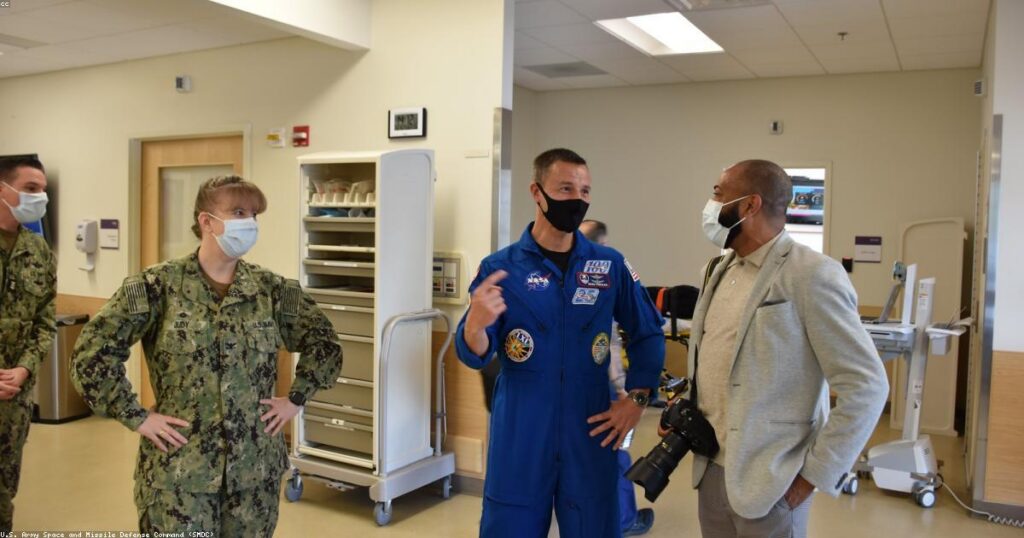
Alert: NASA says an astronaut is in the hospital as a ‘precautionary measure’ after returning from an extended stay in space
After an extended stay in the challenging environment of space, NASA has announced that one of its astronauts has been admitted to a hospital as a precautionary measure. Extended space missions expose astronauts to unique physical and psychological stresses, necessitating careful post-mission health monitoring. This article delves into the circumstances surrounding the astronaut’s hospitalization, the health risks associated with long-duration spaceflight, and the protocols NASA follows to ensure astronaut safety upon return to Earth.
NASA’s decision to hospitalize an astronaut as a precaution after returning from space is rooted in the agency’s commitment to astronaut health and safety. Space travel subjects the human body to microgravity, radiation, and isolation, all of which can have lingering effects. Hospitalization allows for comprehensive medical evaluations that may not be feasible immediately upon landing or during routine post-mission checks.
Precautionary hospitalization is a standard part of NASA’s return-to-Earth procedures, especially after long-duration missions aboard the International Space Station (ISS). These protocols are designed to identify and address any latent health issues early, such as cardiovascular changes, bone density loss, or vestibular disturbances that might not manifest immediately but could pose risks if left untreated.
By admitting astronauts to the hospital promptly after their return, NASA ensures continuous monitoring and access to advanced diagnostic tools. This approach minimizes the risk of complications and supports the astronaut’s gradual re-adaptation to Earth’s gravity and environment, which is crucial for long-term health and mission readiness.
Health Challenges Faced During Extended Space Missions
Extended missions in space expose astronauts to a range of physiological challenges. Microgravity causes muscle atrophy and bone density reduction, requiring rigorous exercise routines to mitigate these effects. Despite these measures, astronauts often experience significant physical deconditioning that demands attention upon their return to Earth.
Radiation exposure is another critical concern during long-duration spaceflight. Beyond Earth’s protective atmosphere, astronauts are subjected to higher levels of cosmic radiation, which can increase cancer risk and cause acute radiation sickness in severe cases. Monitoring radiation effects post-mission is vital to detect any early signs of health deterioration.
Psychological stress is also prevalent during extended missions. Isolation, confinement, and separation from loved ones can affect mental health, leading to anxiety, depression, or cognitive impairments. NASA’s medical teams assess psychological well-being alongside physical health to provide comprehensive care during hospitalization.
Recent Case: Details on the Hospitalization After Space Return
NASA recently confirmed that an astronaut who completed an extended mission aboard the ISS was admitted to a hospital as a precautionary measure following their return. While specific medical details remain confidential due to privacy concerns, NASA emphasized that the hospitalization was not prompted by any known serious illness or injury.
The astronaut is reported to be in stable condition and undergoing routine evaluations to ensure no hidden complications have arisen from the mission. Such evaluations typically include cardiovascular assessments, neurological exams, bone density scans, and blood tests to monitor overall health status.
NASA’s transparency in announcing the hospitalization highlights the agency’s proactive approach to astronaut welfare. It reassures the public and the spaceflight community that all necessary measures are being taken to safeguard those who venture beyond Earth’s atmosphere.
The Importance of Post-Mission Medical Monitoring
Post-mission medical monitoring is critical for detecting delayed health effects that may not be immediately apparent after landing. Some conditions linked to space travel, such as orthostatic intolerance or neurovestibular dysfunction, can develop or worsen in the days following return to Earth’s gravity.
NASA employs a multidisciplinary team of physicians, physiologists, and psychologists to conduct thorough assessments during hospitalization. This team collaborates to identify subtle changes in health status and to design individualized rehabilitation plans that facilitate recovery and reintegration into daily life.
Continuous monitoring also contributes to research on human spaceflight’s impacts, informing future mission planning. Data collected from post-mission health evaluations help refine countermeasures, improve safety protocols, and enhance astronaut training for upcoming long-duration missions, including those to the Moon and Mars.
NASA’s Long-Duration Spaceflight Experience and Lessons Learned
NASA’s experience with long-duration missions aboard the ISS has provided invaluable insights into the physiological and psychological effects of space travel. Each mission contributes to a growing body of knowledge that shapes medical guidelines and operational procedures for crew health management.
Lessons learned from prior astronauts’ post-mission health outcomes have led to improved exercise equipment aboard the ISS, better dietary plans, and enhanced radiation shielding. These advances aim to reduce the severity of health issues that necessitate precautionary hospitalization.
Moreover, NASA continuously updates its health monitoring technologies, including wearable sensors and telemedicine capabilities, to support real-time assessment during missions. These innovations improve early detection of health anomalies and enable timely interventions, reducing the likelihood of serious complications upon return.
Implications for Future Space Exploration Missions
As NASA prepares for ambitious missions to the Moon, Mars, and beyond, understanding and managing astronaut health remains paramount. Extended space travel will involve even greater exposure to microgravity and radiation, increasing the complexity of medical care required post-mission.
The precautionary hospitalization of astronauts returning from space serves as a model for future exploration missions. It underscores the need for robust medical infrastructure both in orbit and on Earth to address potential health risks promptly and effectively.
Future missions may also incorporate autonomous medical technologies and enhanced onboard health diagnostics to reduce reliance on Earth-based support. However, the importance of post-mission evaluations and hospitalization will continue to play a critical role in ensuring astronaut safety and mission success.
Public and Scientific Community Reactions
News of an astronaut’s hospitalization following a space mission often triggers public concern and media speculation. NASA’s clear communication about the precautionary nature of such hospital stays helps mitigate unwarranted fears and emphasizes the agency’s commitment to transparency and safety.
The scientific community views these events as opportunities to deepen understanding of spaceflight’s effects on human health. Researchers analyze data from post-mission hospitalizations to refine medical protocols and develop better countermeasures against the physical and psychological challenges of space travel.
Public interest in astronaut health also highlights broader discussions about the risks and rewards of human space exploration. It fosters support for continued investment in space medicine research, ensuring that future explorers receive the best possible care during and after their missions.
Preparing for the Future: Enhancing Astronaut Health and Safety
NASA continues to prioritize astronaut health by investing in research focused on mitigating the adverse effects of spaceflight. Innovative approaches include pharmacological interventions, advanced exercise regimens, and improved habitat designs that mimic Earth-like environments to support physiological stability.
Collaboration with international partners and private space companies accelerates the development of cutting-edge medical technologies and protocols. These partnerships expand the knowledge base and resource pool available for managing astronaut health in increasingly complex missions.
Education and training programs for astronauts now emphasize self-care, early symptom recognition, and emergency medical procedures. Empowering crew members to manage health issues autonomously during missions is essential, particularly for deep space explorations where immediate Earth-based assistance may not be feasible.
Conclusion
The precautionary hospitalization of astronauts returning from extended missions epitomizes NASA’s unwavering commitment to crew health and safety. As humanity pushes the boundaries of space exploration, understanding and mitigating the health risks associated with long-duration spaceflight becomes increasingly vital. Through rigorous medical protocols, continuous research, and technological innovation, NASA is paving the way for safer and more sustainable human presence beyond Earth. These efforts not only protect astronauts but also enrich our collective knowledge, ensuring that future missions to the Moon, Mars, and beyond are supported by the highest standards of health care and scientific excellence.
Originally reported by chron.com. Adapted for our readers.
Recent advances in machine perfusion technology are not only preserving donated livers but also making them biologically younger at a molecular level. This breakthrough…
What happens when human imagination, artificial intelligence, art and technology come together? From September 1 to 6, Samsung Electronics presented a special exhibition themed…