
AI Trends & News
Surface Laptop Ultra Pre-orders Open: Price, Release Date and AI Features
Microsoft opens Surface Laptop Ultra pre-orders from US$2,599.99. Explore its launch date, NVIDIA RTX Spark features and implications for Nigerian businesses.
TAMFIS NIG LTDRC 8067447CAC ACTIVEFinima, Bonny Island, Rivers State

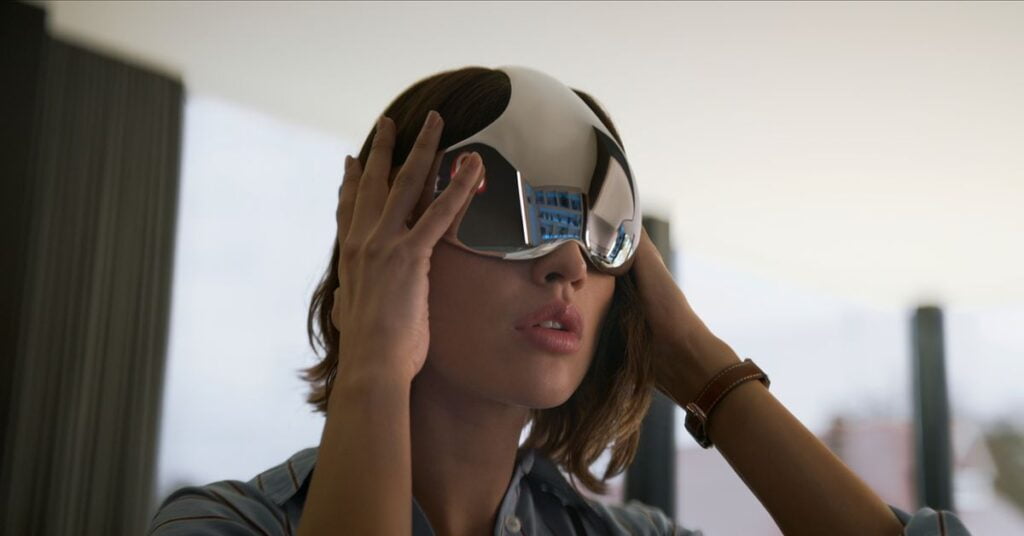
Virtual reality technology has long promised immersive experiences that transport users beyond their physical surroundings. The 3 Body Topic VR headset emerges as a striking advancement in this field, delivering hardware that feels almost magical in its capabilities. However, despite its impressive design and performance, the device faces significant limitations due to a lack of available applications at launch. This article explores the headset's innovative features, the challenges posed by its software ecosystem, and the potential implications for the future of VR technology.
The 3 Body Topic VR headset stands out in the current VR market primarily because of its extraordinary hardware. Crafted from a unique radiant metal, the headset combines durability with an elegant design that resists scratches and fingerprints, maintaining a pristine appearance even after extensive use. This attention to material quality sets a new standard that could influence future VR device manufacturing.
Beyond aesthetics, the headset is remarkably lightweight, to the point where users barely notice wearing it. This contrasts sharply with many existing VR devices that can feel bulky or uncomfortable during extended sessions. Additionally, the 3 Body Topic is entirely wireless, eliminating the cumbersome cables that often restrict user movement and immersion.
One of the most notable aspects is its plug-and-play simplicity. Unlike other headsets that require careful calibration or custom fittings, this device works seamlessly for almost all users right out of the box. There is no need for fiddling with visual settings or adjusting physical seals, making it accessible to a broad audience.
Battery life also appears exceptional, with no noticeable loading times or interruptions during use. The engineering feat of packing such performance into a compact form factor is remarkable and suggests significant advancements in battery and processing technology.
The headset’s capabilities extend beyond hardware excellence into delivering an immersive experience that challenges the boundaries of virtual reality. The single available application, a game titled 'Three-Body,' exemplifies this potential. It offers an intricate narrative reminiscent of Civilization, tasking players with guiding a society through a series of existential crises.
The game’s steep learning curve rewards players with a deeply engaging experience that blurs the lines between the virtual and real worlds. Users can see, hear, and even feel the game environment without relying on external controllers, as all sensory inputs are integrated within the headset itself. This level of immersion surpasses many existing VR offerings and redefines what virtual reality can achieve.
Such immersive qualities hint at broader applications beyond gaming. For instance, the technology could enable lifelike social interactions through avatars that closely resemble real users or provide virtual travel experiences to fantastical locations rendered with near-perfect realism. While these uses remain theoretical at present, they underscore the headset’s transformative potential.
Despite the headset’s impressive hardware and the quality of its flagship game, the software ecosystem is currently a significant drawback. At launch, the 3 Body Topic VR headset supports only this single application, with no access to popular media platforms like Netflix or Spotify, nor any productivity tools. This limited software offering restricts the device’s appeal and utility for everyday users.
The scarcity of apps highlights a disconnect between the hardware’s capabilities and the development community’s readiness to support it. Without a diverse range of applications, users may find it difficult to justify investing in the headset, regardless of its technical merits.
Compounding this issue is the headset’s availability—or lack thereof. It is not sold through conventional retail channels or online stores, and pricing remains undisclosed. Distribution appears to be highly controlled and limited, resembling a soft launch rather than a full commercial release. This approach creates uncertainty about when or if the device will become widely accessible.
The combination of limited software and restricted availability means that, for now, the 3 Body Topic VR headset remains a niche product. It is primarily a proof of concept that showcases what is possible with current technology rather than a ready-to-use consumer device.
If the 3 Body Topic VR headset overcomes its current limitations, it could represent a pivotal moment in consumer technology. Its hardware innovations—lightweight design, wireless operation, and resistance to wear—set new benchmarks for VR devices.
Moreover, the immersive experience demonstrated by the 'Three-Body' game indicates that VR can evolve beyond simple visual and auditory stimulation to encompass a fuller sensory engagement. This could open new avenues in entertainment, education, remote communication, and beyond.
However, the headset’s success depends heavily on expanding its software ecosystem and improving market accessibility. Developers need to create a broader range of applications to leverage the hardware’s capabilities fully, and consumers require clear purchasing options and pricing information.
In this sense, the 3 Body Topic VR headset serves as both a glimpse into the future and a reminder of the challenges facing emerging technologies. Hardware breakthroughs must be matched by software development and market strategies to realize their full potential.
The 3 Body Topic VR headset represents a remarkable technological achievement that pushes the boundaries of virtual reality hardware. Its lightweight, wireless design and immersive capabilities set it apart from existing devices, suggesting a future where VR experiences are more seamless and engaging. However, the current lack of diverse applications and limited market availability significantly constrain its impact. For the headset to fulfill its promise and influence the broader consumer technology landscape, developers and manufacturers must address these challenges. Until then, the 3 Body Topic remains a fascinating glimpse into what could be a transformative era for virtual reality.
Originally reported by theverge.com. Adapted for our readers with AI assistance.
Keep reading
AI Trends & News
Microsoft opens Surface Laptop Ultra pre-orders from US$2,599.99. Explore its launch date, NVIDIA RTX Spark features and implications for Nigerian businesses.
Science & Technology
DJI’s IBC recognition puts pocket gimbal and panoramic capture in the spotlight. Here is how creators can assess framing, editing effort and recording workflows.
Business News
App store steering is about more than permission to add a link. Explore fees, renewal terms, customer experience and the UK consultation.
TAMFIS NIG LTD
Electrical and instrumentation engineering, bid preparation and consulting, IT and software.

