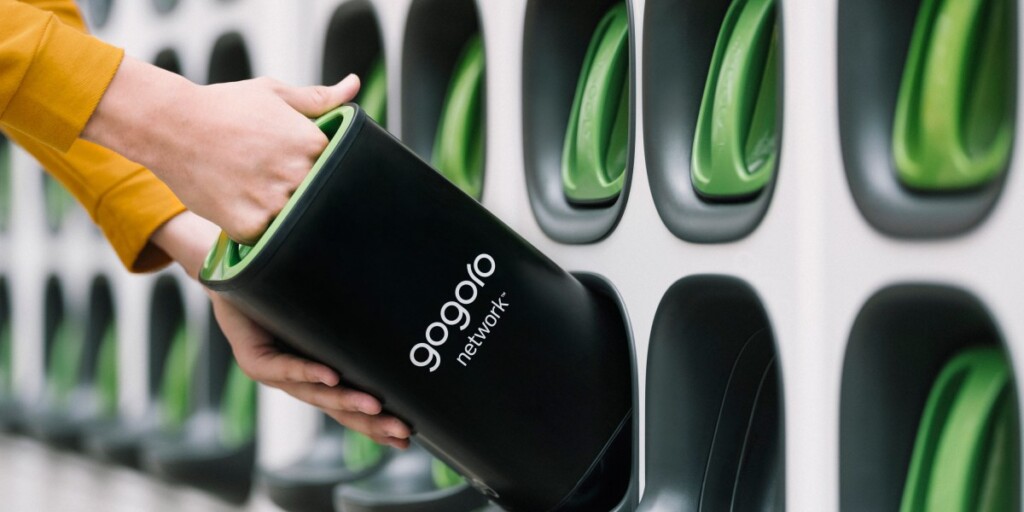
2024 Climate Tech Companies to Watch: Gogoro and its battery-swapping network for electric scooters
The global push toward sustainable transportation has accelerated the adoption of electric vehicles (EVs), but challenges like long charging times and limited infrastructure remain significant barriers. Gogoro, a Taiwanese pioneer in climate technology, has developed a groundbreaking battery-swapping network designed specifically for electric scooters. This system enables riders to exchange depleted batteries for fully charged ones in mere seconds, eliminating wait times and enhancing convenience. As urban areas worldwide grapple with pollution and congestion, Gogoro’s innovative approach offers a scalable and efficient solution that supports the transition to cleaner, more accessible mobility options. In this article, we explore Gogoro’s technology, global expansion, environmental impact, and its role as a climate tech company to watch in 2024.
The Innovation Behind Gogoro’s Battery-Swapping Network
Gogoro’s core innovation lies in its proprietary battery-swapping stations distributed across urban landscapes, primarily in Taiwan but increasingly worldwide. Unlike conventional EV charging, which can take hours, Gogoro’s system allows riders to exchange a depleted battery for a fully charged one in under six seconds. This rapid turnaround mimics the convenience of refueling traditional gasoline scooters, removing a key friction point in EV adoption.
The battery-swapping stations are equipped with AI-driven management systems that optimize energy usage, monitor battery health, and ensure seamless operations. These stations are strategically located at accessible spots such as convenience stores, transit hubs, and shopping centers, making battery swaps as easy as stopping for a coffee. The intelligent network also balances energy demands by charging batteries during off-peak hours, reducing strain on the electrical grid.
Beyond convenience, Gogoro’s batteries are designed for durability and sustainability. Once a battery’s capacity diminishes for scooter use, it is repurposed for secondary applications such as backup power for streetlights and traffic signals. This circular approach maximizes resource efficiency and minimizes waste, aligning with broader environmental goals.
Gogoro’s Resilience and Contribution During Emergencies
In April 2024, Taiwan experienced a magnitude 7.4 earthquake—the largest in over a century. During this crisis, Gogoro’s battery-swapping stations demonstrated remarkable resilience and adaptability. The network automatically powered down to alleviate stress on the electricity grid, conserving enough energy to sustain thousands of homes until normal power was restored.
This autonomous response was enabled by the stations’ AI-powered systems, which can dynamically interact with the grid to reduce load or supply backup power during emergencies. Such capabilities position Gogoro’s infrastructure as more than just a convenience for riders; it becomes a vital component of urban energy resilience and disaster preparedness.
Moreover, Gogoro temporarily made its fleet of rideshare electric scooters free to use during the earthquake aftermath, supporting public mobility when traditional transit systems were disrupted. This community-oriented approach underscores Gogoro’s commitment to social responsibility alongside environmental innovation.
Expanding Globally: Gogoro’s International Footprint
While Gogoro’s success is most visible in Taiwan, the company is actively expanding its battery-swapping network globally. Key markets include India, China, Colombia, and the Philippines, where urban populations face similar transportation and environmental challenges. By adapting its technology and business model to diverse regulatory and cultural contexts, Gogoro aims to replicate its Taiwanese success on a worldwide scale.
This international expansion requires significant investment and collaboration with local governments, vehicle manufacturers, and energy providers. In India, for example, Gogoro is navigating regulatory complexities and subsidy frameworks to establish a foothold. Such partnerships are critical to scaling infrastructure and ensuring that the battery-swapping model remains economically viable and accessible to users.
Gogoro also collaborates with major scooter manufacturers such as Yamaha and Suzuki to integrate its battery technology into a broader ecosystem. These alliances help standardize batteries and expand the network’s reach, making electric scooters more appealing and practical for everyday riders across multiple regions.
Environmental Impact and Sustainability Benefits
Gogoro’s battery-swapping network directly addresses the environmental challenges posed by traditional gasoline scooters, which remain a significant source of urban air pollution and greenhouse gas emissions. By facilitating widespread adoption of electric scooters, Gogoro helps reduce reliance on fossil fuels and lowers emissions in densely populated areas.
An innovative aspect of Gogoro’s system is its virtual power plant functionality. The battery stations can store energy during low-demand periods and feed it back into the grid during peak times, improving grid stability and efficiency. This bidirectional energy flow supports the integration of renewable energy sources and enhances the overall sustainability of urban energy systems.
Additionally, Gogoro’s approach to battery lifecycle management—repurposing aging batteries for secondary uses—minimizes environmental waste and maximizes resource utilization. This circular economy model exemplifies sustainable design principles and contributes to reducing the carbon footprint associated with battery production and disposal.
Challenges and Considerations for Growth
Despite its impressive achievements, Gogoro faces several challenges as it seeks to expand its impact. Building a comprehensive battery-swapping network requires substantial capital investment in infrastructure, technology, and logistics. This financial barrier necessitates strong partnerships and innovative funding strategies to maintain momentum.
Regulatory hurdles also pose significant challenges. Gogoro must navigate varying international standards for electric vehicles, safety, and energy management, which can delay deployments and complicate operations. The company’s experience in India highlights how policy uncertainty can slow progress, underscoring the importance of government collaboration.
Consumer adoption is another critical factor. While battery swapping offers clear advantages, convincing users to transition from gasoline-powered scooters or traditional charging methods requires education, marketing, and ensuring that network coverage meets demand. Gogoro’s ability to tailor vehicles and services to local preferences will be key to overcoming these barriers.
Gogoro’s Role in Shaping the Future of Urban Mobility
Gogoro is at the forefront of a shift toward micro-mobility solutions that prioritize efficiency, convenience, and sustainability. Its integrated ecosystem—encompassing vehicle manufacturing, battery production, and infrastructure management—creates a seamless user experience that addresses many pain points in electric scooter adoption.
By pioneering battery-swapping technology, Gogoro challenges traditional notions of EV charging, making electric scooters a practical alternative to gasoline-powered vehicles for millions of urban commuters. This innovation not only benefits individual riders but also contributes to reducing congestion and pollution in cities.
Furthermore, Gogoro’s model exemplifies how climate tech companies can leverage smart infrastructure and AI to build resilient, adaptive urban systems. As cities worldwide seek solutions to climate change and transportation challenges, Gogoro’s approach offers a blueprint for scalable, sustainable innovation.
Key Partnerships and Industry Collaborations
Gogoro’s success is amplified through strategic partnerships with global scooter manufacturers like Yamaha and Suzuki, enabling the integration of its battery-swapping technology into a broader range of vehicles. These collaborations help standardize battery formats and expand user access, fostering a more unified electric scooter ecosystem.
In addition to vehicle manufacturers, Gogoro works closely with energy providers and local governments to optimize grid interactions and infrastructure deployment. These alliances facilitate regulatory compliance, funding opportunities, and community engagement—critical factors for sustainable growth.
Gogoro also invests in ridesharing programs and urban mobility initiatives, often partnering with municipalities to promote electric scooter adoption. By participating in these programs, Gogoro supports public transit systems and contributes to reducing urban carbon emissions, reinforcing its role as a climate-conscious technology leader.
Looking Ahead: Gogoro’s Vision for 2024 and Beyond
As Gogoro continues its global expansion in 2024, the company aims to enhance its battery-swapping network’s scale and functionality. Plans include increasing station density, improving AI-driven energy management, and developing new battery technologies to boost performance and sustainability.
Gogoro is also exploring opportunities to integrate its battery solutions into other electric vehicles and smart city infrastructures, expanding the impact of its technology beyond scooters. This diversification could open new markets and applications, further accelerating the shift toward clean energy mobility.
Ultimately, Gogoro envisions a future where electric micro-mobility is the norm rather than the exception—a future supported by intelligent infrastructure, sustainable energy, and accessible technology. By addressing key barriers to EV adoption, Gogoro stands poised to be a transformative force in climate tech and urban transportation.
Conclusion
Gogoro’s pioneering battery-swapping network represents a significant leap forward in electric scooter technology and sustainable urban mobility. By addressing the critical challenges of charging convenience, infrastructure scalability, and environmental impact, Gogoro offers a compelling alternative to traditional gasoline-powered scooters. Its resilient, AI-driven stations not only serve riders efficiently but also contribute to urban energy resilience and sustainability. While expansion into new markets presents challenges, Gogoro’s strategic partnerships and innovative ecosystem position it well for continued growth and influence. As cities worldwide seek climate-friendly transportation solutions, Gogoro stands out as a climate tech company to watch in 2024 and beyond, driving the transformation toward cleaner, smarter, and more accessible mobility.
Recent advances in machine perfusion technology are not only preserving donated livers but also making them biologically younger at a molecular level. This breakthrough…
What happens when human imagination, artificial intelligence, art and technology come together? From September 1 to 6, Samsung Electronics presented a special exhibition themed…