
News
RUSSIA versus NATO and BRICS vs. NATO Military SWOT
Recall that Poland’s Minister Sikorski’s core claim is partially supported by the numbers, but the framing “quite quickly” and “without the U.S.” does not…
TAMFIS NIG LTDRC 8067447CAC ACTIVEFinima, Bonny Island, Rivers State

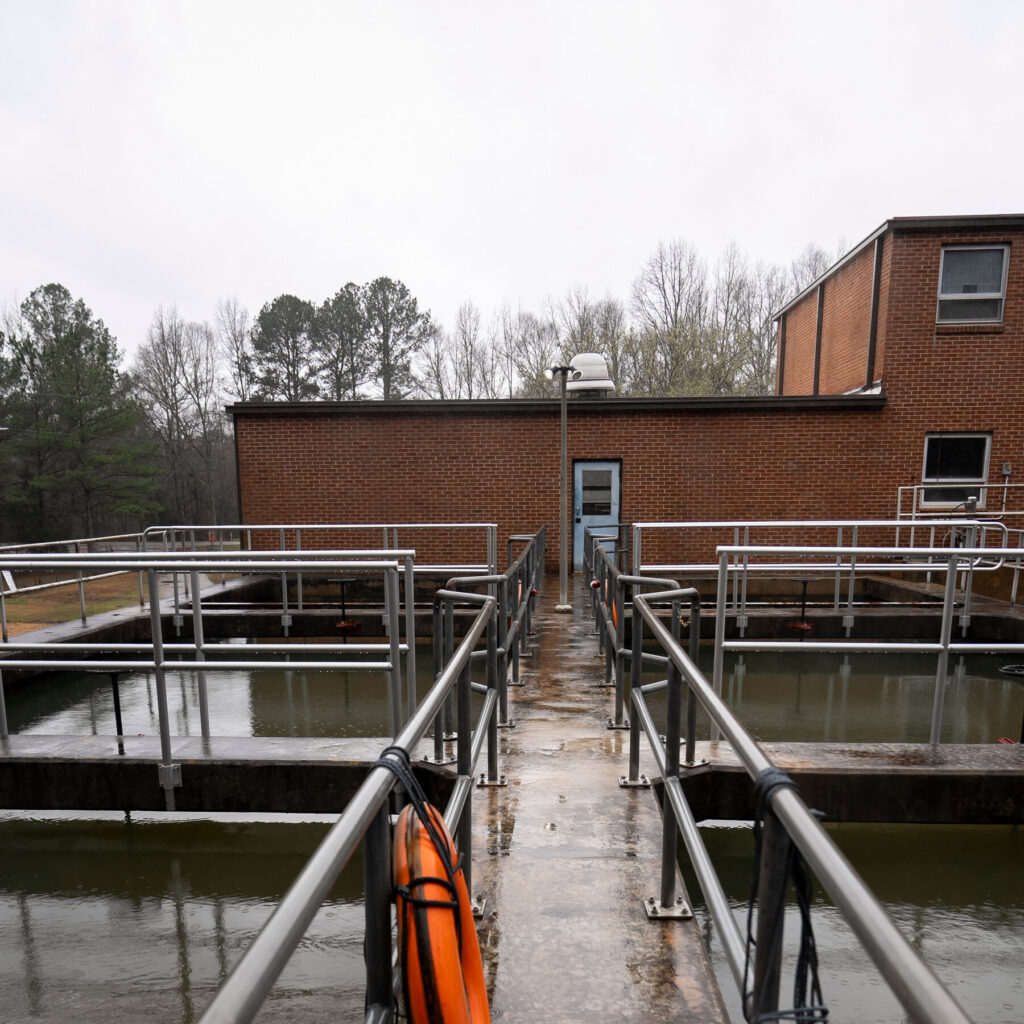
In August 2026, federal and state officials in the United States confronted a serious cyber threat targeting the nation’s water supply system. The suspected perpetrators are Iranian hackers, whose activities have highlighted critical weaknesses in the security of vital public infrastructure. This incident is not isolated; it follows years of warnings about the vulnerability of water utilities to cyber intrusions. As the country races to respond, it is essential to understand the scope of the threat, the history of neglect, and the steps necessary to safeguard water systems from future attacks.
The recent cyberattacks on the U.S. water supply involved attempts to infiltrate control systems that manage water treatment and distribution. Officials suspect that Iranian hackers aimed to manipulate or disrupt these systems, potentially compromising water quality or availability. While the full extent of the damage remains under investigation, the incident underscores the increasing sophistication of cyber threats targeting critical infrastructure.
Water systems rely on industrial control systems (ICS) and supervisory control and data acquisition (SCADA) networks to monitor and regulate water flow, chemical treatment, and pressure levels. These systems were traditionally isolated but have become more connected to the internet to improve efficiency and monitoring capabilities. This connectivity, however, has introduced vulnerabilities that cyber adversaries can exploit.
Experts and government agencies have issued warnings for years about the vulnerability of water infrastructure to cyberattacks. Reports from the Department of Homeland Security and the Environmental Protection Agency have repeatedly highlighted the risks posed by outdated technology, insufficient cybersecurity protocols, and inadequate funding for upgrades.
Despite these alerts, many water utilities—especially smaller municipal systems—have struggled to implement robust cybersecurity measures. Budget constraints, lack of technical expertise, and competing priorities have contributed to a patchwork of defenses that leave many systems exposed.
The recent attacks reveal how these longstanding gaps have created opportunities for hostile actors to probe and potentially exploit weak points in the water supply network.
Iran has developed a notable cyber warfare capability over the past decade, often targeting U.S. infrastructure and interests in response to geopolitical tensions. Cyber operations provide a means to exert pressure and signal capabilities without direct military confrontation.
The suspected Iranian involvement in the water supply attacks fits within a broader pattern of cyber activities aimed at critical infrastructure sectors, including energy, finance, and government networks. These operations are often designed to gather intelligence, disrupt services, or demonstrate the ability to cause damage if escalated.
Understanding Iran’s motivations requires considering the complex diplomatic and security dynamics between the two countries, where cyber operations serve as both offensive tools and strategic messaging.
In response to the cyberattacks, federal agencies, including the Cybersecurity and Infrastructure Security Agency (CISA) and the Federal Bureau of Investigation (FBI), have mobilized to contain the threat and assist affected water utilities. Coordination with state and local authorities has been critical to assess vulnerabilities and implement emergency protective measures.
Efforts include deploying cybersecurity experts to assist in incident response, conducting system audits to identify compromised components, and accelerating the rollout of enhanced security protocols. Additionally, there is an increased emphasis on information sharing between government entities and private water providers to improve threat intelligence and resilience.
Despite these efforts, officials acknowledge that the response is complicated by the decentralized nature of water systems across the country, which vary widely in size, resources, and technical sophistication.
Securing the nation’s water supply presents unique challenges. Many water utilities operate with limited budgets and aging infrastructure, making it difficult to invest in modern cybersecurity solutions. The diversity of systems and technologies used across thousands of facilities adds complexity to standardizing defenses.
Moreover, the water sector often lacks dedicated cybersecurity personnel, relying instead on staff with limited training in cyber defense. This skills gap hampers the ability to detect and respond to sophisticated attacks promptly.
Another challenge lies in balancing operational continuity with security upgrades. Water systems must maintain uninterrupted service, which can delay or complicate the implementation of security patches and system overhauls.
The recent cyberattacks serve as a wake-up call for policymakers, utilities, and the public about the urgent need to prioritize water infrastructure security. Investments in modernizing control systems, implementing multi-layered cybersecurity strategies, and enhancing workforce training are essential steps.
Federal funding and regulatory frameworks could play a pivotal role in supporting water utilities, especially smaller ones, to adopt best practices and technologies. Public-private partnerships may also facilitate knowledge sharing and resource pooling.
In addition, fostering a culture of cybersecurity awareness within the water sector can improve preparedness and resilience. Regular drills, threat assessments, and collaboration with cybersecurity experts can help utilities anticipate and mitigate emerging threats.
Ultimately, protecting the water supply from cyber threats requires sustained commitment and coordinated action across all levels of government and industry.
The suspected Iranian cyberattacks on the U.S. water supply reveal a critical vulnerability in the nation’s infrastructure that demands immediate and sustained attention. While the recent response efforts are vital, they also expose the systemic challenges that have long hindered effective cybersecurity in the water sector. Addressing these issues will require comprehensive strategies that combine technological upgrades, increased funding, skilled personnel, and coordinated governance. Protecting the water supply is not only a matter of national security but also fundamental to public health and safety. As cyber threats continue to evolve, so too must the defenses that safeguard this essential resource.
Originally reported by nytimes.com. Adapted for our readers with AI assistance.
Keep reading
News
Recall that Poland’s Minister Sikorski’s core claim is partially supported by the numbers, but the framing “quite quickly” and “without the U.S.” does not…
Politics
In August 2025, Zespri, the world’s largest marketer of kiwifruit, announced that the European Commission had approved what it described as the first health…
News
By Engr. Tamunofiniarisa BrownReading Time: 6 Minutes The conflict between Russia and Ukraine is often framed in the media as a simple battle between…
TAMFIS NIG LTD
Electrical and instrumentation engineering, bid preparation and consulting, IT and software.