
News
RUSSIA versus NATO and BRICS vs. NATO Military SWOT
Recall that Poland’s Minister Sikorski’s core claim is partially supported by the numbers, but the framing “quite quickly” and “without the U.S.” does not…
TAMFIS NIG LTDRC 8067447CAC ACTIVEFinima, Bonny Island, Rivers State

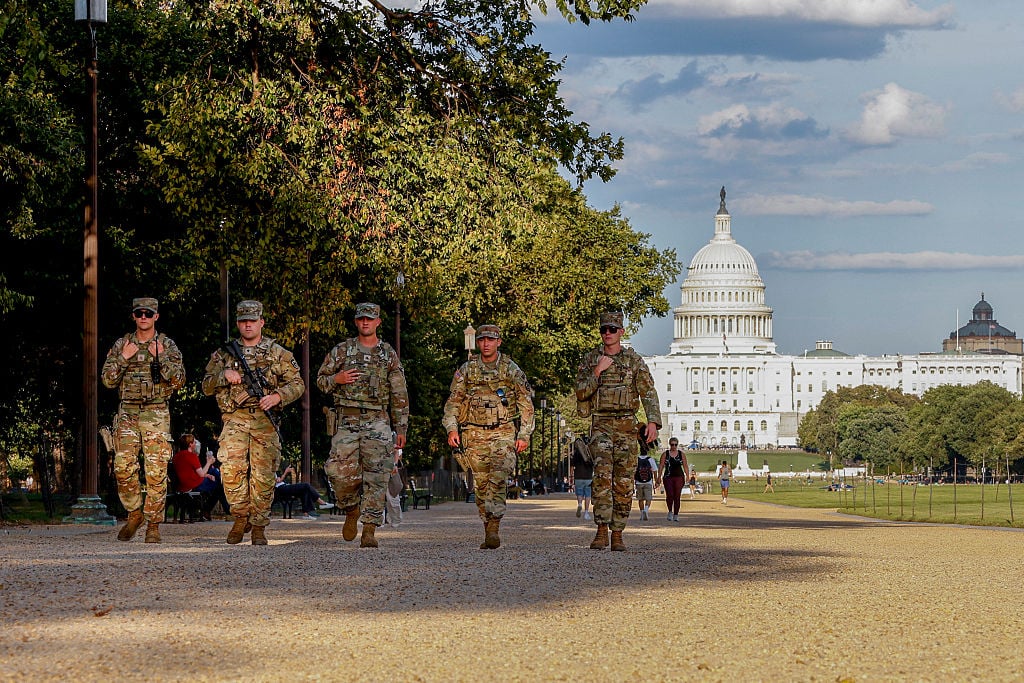
Since early 2025, the Trump administration has escalated its efforts to penalize sanctuary cities—jurisdictions that limit cooperation with federal immigration authorities—through a series of executive orders and DOJ directives. This crackdown has led to significant internal upheaval within the Department of Justice, with several senior attorneys resigning in protest, citing a politicization of enforcement decisions. As legal battles unfold and federal agents prepare for intensified operations in major cities, this power play highlights deep tensions between federal and local governments, and raises critical questions about the role of politics in law enforcement.
Sanctuary cities are municipalities that adopt policies to limit cooperation with federal immigration enforcement, aiming to foster trust between immigrant communities and local law enforcement. These policies often restrict sharing immigration status information or limit detainer requests, reflecting a broader debate over immigration enforcement priorities in the United States.
Since the early 2000s, sanctuary jurisdictions have grown in number, primarily in Democratic-leaning urban areas. Advocates argue that these policies help protect vulnerable immigrant populations from deportation and encourage cooperation with law enforcement in reporting crimes, while opponents claim they undermine federal immigration laws and public safety.
The Trump administration’s stance on immigration, marked by a hardline approach, has set the stage for conflict over sanctuary cities. The DOJ’s recent directives represent an unprecedented effort to penalize these jurisdictions through legal and administrative means, signaling a shift toward aggressive federal enforcement.
In April 2025, President Trump signed Executive Order 14287, mandating the Department of Justice and Homeland Security to identify and pursue legal remedies against sanctuary cities. The order directs these agencies to withhold federal funds and initiate lawsuits against jurisdictions that fail to comply with immigration enforcement cooperation requirements.
This directive emphasizes a strict interpretation of federal authority, asserting that non-compliant cities obstruct immigration law enforcement and jeopardize public safety. It also aligns with the administration’s broader narrative of protecting American communities from perceived threats posed by undocumented immigrants.
However, the implementation of this executive order has been controversial within the DOJ. Critics argue that the policy prioritizes political objectives over legal standards, raising concerns about the fairness and constitutionality of withholding funds from cities based on their immigration policies.
The enforcement push against sanctuary cities has triggered a wave of resignations among senior DOJ attorneys. Career prosecutors have voiced frustration over being sidelined in favor of political appointees who lack prosecutorial experience and appear to prioritize political directives over legal merits.
Sources within the DOJ describe the reshuffling as a political purge, undermining the department’s independence and eroding morale. The resignations highlight tensions between career officials committed to impartial law enforcement and an administration intent on using the DOJ as a tool for political aims.
These internal conflicts underscore the challenges of maintaining the rule of law within a politically charged environment. The departure of experienced attorneys raises questions about the DOJ’s capacity to effectively manage complex immigration enforcement actions while adhering to legal standards.
Sanctuary cities across the country have responded swiftly with legal challenges against the administration’s efforts to withhold federal funding. Courts in Philadelphia, Boston, Chicago, Denver, and Los Angeles have issued preliminary injunctions blocking the enforcement of funding cuts, citing constitutional concerns and separation of powers issues.
These rulings emphasize the complex interplay between federal authority and local autonomy. Plaintiffs argue that sanctuary policies fall within the scope of local governance and that the federal government cannot coerce cities by threatening essential funding without clear statutory authority.
The administration has vowed to appeal these decisions, setting the stage for prolonged legal battles that could reach the Supreme Court. The outcome of these cases will have significant implications for federalism and the limits of executive power in immigration enforcement.
Parallel to DOJ’s legal actions, the Department of Homeland Security has announced plans to deploy hundreds of officers to sanctuary cities like Chicago. These operations aim to apprehend individuals unlawfully present in the U.S., focusing particularly on those involved in criminal activities.
The deployment reflects the administration’s commitment to an aggressive enforcement strategy, seeking to demonstrate federal resolve despite legal setbacks. However, it has also sparked protests and heightened tensions between local officials and federal agents, with mayors and police chiefs expressing concerns about community trust and public safety.
Critics argue that such deployments risk escalating conflicts, undermining local law enforcement efforts, and potentially infringing on civil liberties. Supporters contend that robust federal action is necessary to uphold immigration laws and protect American citizens.
The Trump administration’s crackdown on sanctuary cities has intensified the ongoing debate over federalism—the division of powers between federal and state governments. Sanctuary policies represent local resistance to federal immigration priorities, and the administration’s response challenges the limits of local autonomy.
This conflict also reflects deep partisan divides. Sanctuary cities are predominantly governed by Democrats, while the Trump administration and its allies emphasize strict immigration enforcement as a key policy platform. The DOJ’s actions are viewed by many as an extension of partisan battles fought through legal and administrative means.
The political stakes are high, influencing electoral dynamics and public opinion on immigration. The administration’s hardline approach appeals to its base but risks alienating moderate voters and exacerbating social divisions, complicating prospects for comprehensive immigration reform.
The resignations within the DOJ reveal broader challenges in maintaining professional law enforcement norms amid political pressures. Career officials traditionally prioritize legal standards and impartiality, but the current environment blurs the lines between legal judgment and political loyalty.
This politicization risks undermining public confidence in the DOJ’s independence and effectiveness. When enforcement decisions appear driven by political agendas, the credibility of the justice system suffers, and long-term institutional integrity is threatened.
Moreover, the internal turmoil may deter talented attorneys from public service, weakening the department’s capacity to handle complex legal challenges. Restoring balance between political oversight and career professionalism remains a critical issue for the DOJ’s future.
As legal battles continue and enforcement operations proceed, the fate of sanctuary city policies remains uncertain. Judicial rulings will shape the permissible scope of federal action and influence how local jurisdictions navigate their immigration policies.
The DOJ’s internal dynamics will also be pivotal. Whether the department can reconcile political directives with legal standards will affect its ability to enforce immigration laws effectively without further internal disruption.
Ultimately, the sanctuary city controversy reflects broader national debates over immigration, governance, and the balance of power. The resolution of these issues will have lasting consequences for American law enforcement, community relations, and the rule of law.
The Trump administration’s aggressive power play against sanctuary cities has exposed deep fissures within the Department of Justice and intensified clashes between federal and local governments. While the administration pursues a hardline immigration agenda through executive orders and enforcement operations, career DOJ officials are resigning in protest, citing political interference. Legal battles continue to test the limits of federal authority, and the deployment of federal agents into sanctuary cities raises concerns about public safety and civil liberties. As this high-stakes conflict unfolds, it underscores the complex intersection of law, politics, and governance in America’s immigration debate.
Originally reported by salon.com. Adapted for our readers.
Keep reading
News
Recall that Poland’s Minister Sikorski’s core claim is partially supported by the numbers, but the framing “quite quickly” and “without the U.S.” does not…
Politics
In August 2025, Zespri, the world’s largest marketer of kiwifruit, announced that the European Commission had approved what it described as the first health…
News
By Engr. Tamunofiniarisa BrownReading Time: 6 Minutes The conflict between Russia and Ukraine is often framed in the media as a simple battle between…
TAMFIS NIG LTD
Electrical and instrumentation engineering, bid preparation and consulting, IT and software.