
Politics
How Minnesota Figures Into the Presidential Politics of Insulin Prices
Politics tamfitronics Minnesota Gov. Tim Walz attends a rally in Asheville, North Carolina, on Sept. 17. Minnesota led the way on in...
TAMFIS NIG LTDRC 8067447CAC ACTIVEFinima, Bonny Island, Rivers State

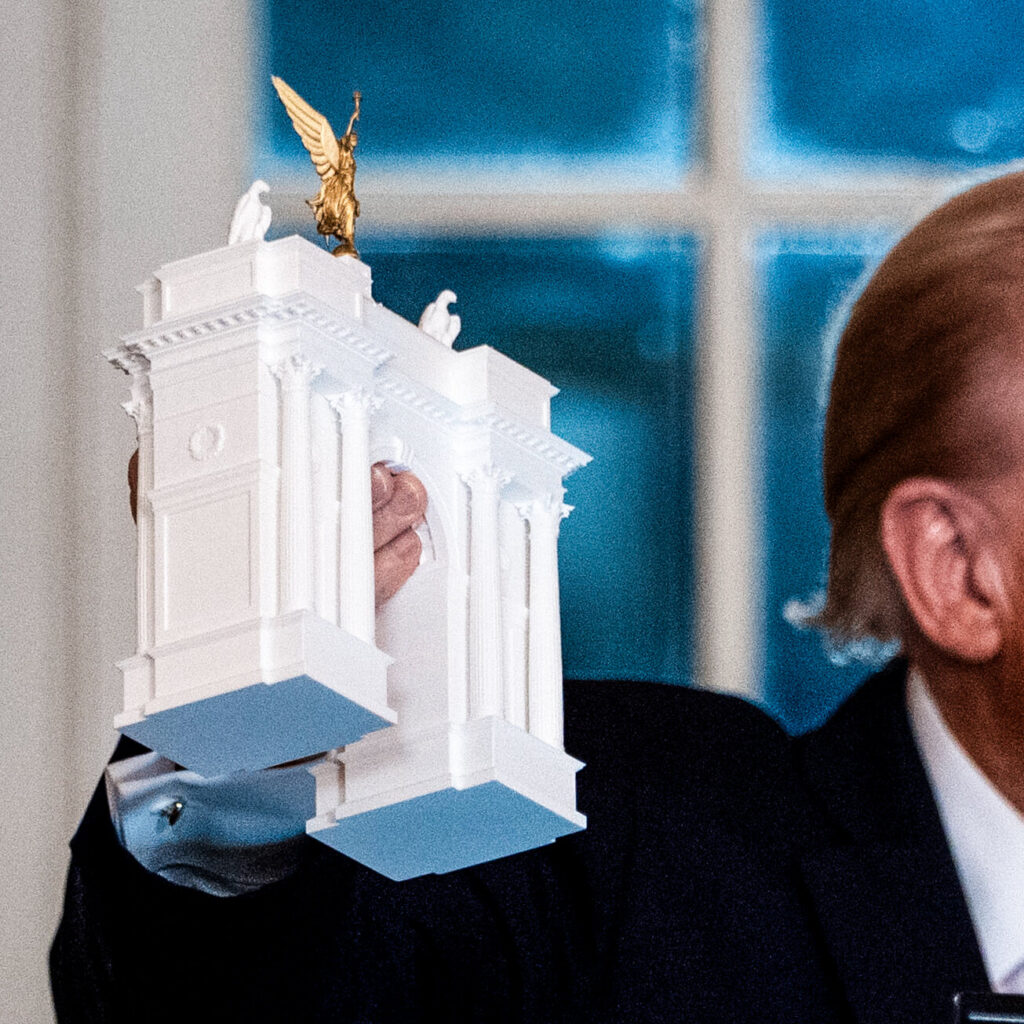
Historic landmarks and cultural sites across the United States have long been safeguarded through federal review processes designed to preserve the nation’s heritage. The Trump administration’s proposed changes to these mechanisms have raised concerns among preservationists, historians, and communities about the future of these treasured sites. This article examines the implications of these proposals, which could affect iconic landmarks like the Washington Monument and countless other historic places nationwide. Understanding these shifts is critical as they may reshape the landscape of American cultural preservation for decades to come.
The federal government currently uses a comprehensive review process to evaluate the impact of development projects on historic sites, primarily governed by the National Historic Preservation Act (NHPA) of 1966. A key component, the Section 106 review, requires federal agencies to identify historic properties potentially affected by their projects and consult with preservation experts to avoid, minimize, or mitigate adverse effects.
This process has been vital in protecting a wide range of sites—from national monuments and historic districts to culturally significant buildings and landscapes. It involves multiple stakeholders, including preservationists, local communities, tribal entities, and federal agencies, ensuring that development balances progress with respect for historical and cultural significance. Over decades, this collaborative framework has maintained America’s heritage while accommodating necessary growth.
The Trump administration has proposed significant modifications to the historic preservation review process that would reduce federal oversight. These changes aim to streamline approvals for infrastructure and development projects by limiting how historic sites can delay or block construction, arguing that the current process causes costly delays.
Specifically, the proposals seek to narrow the definition of adverse effects, reduce consultation requirements, and limit public and tribal input. Critics argue these measures prioritize development over cultural preservation, potentially allowing irreversible damage to historic landmarks and undermining decades of progress.
One alarming aspect of the proposed changes is the increased risk of destructive projects near or within protected historic areas. For instance, the administration’s plans could facilitate alterations or demolitions around prominent sites such as the Washington Monument, the East Wing of the White House, and symbolic replicas like the Arc de Triomphe in Washington, D.C. These landmarks hold deep architectural, symbolic, and historical significance.
Beyond these high-profile sites, countless lesser-known historic places nationwide may become more vulnerable. Without thorough review and consultation, projects could proceed without adequate consideration of their historical impact, leading to loss of irreplaceable cultural heritage. This includes historic neighborhoods, indigenous sites, battlefields, and culturally significant landscapes that enrich America’s diverse history. The erosion of protections may disproportionately affect marginalized communities whose heritage sites have historically received less attention.
Supporters of the proposed changes contend that the current review process is overly bureaucratic, causing unnecessary delays and hindering economic development. They argue that streamlining approvals will facilitate critical infrastructure improvements—such as roads, bridges, and energy projects—that are vital for national growth and job creation. From this view, reducing regulatory hurdles is necessary to modernize infrastructure and maintain competitiveness.
Conversely, preservation advocates stress that historic sites are vital links to the nation’s identity and collective memory, not obstacles to progress. They warn that sacrificing these sites for short-term economic gains risks eroding cultural richness and community character. Once damaged or destroyed, historic landmarks cannot be replaced; the loss extends beyond physical structures to the stories and traditions they embody.
This debate highlights the challenge of balancing progress with preservation. While modernization is essential, it must be pursued in a way that respects and protects the historical fabric defining America. Sustainable development approaches that integrate preservation can foster economic growth while maintaining cultural continuity.
Historic landmarks often serve as focal points for community identity, education, and tourism. Weakening preservation protections could disrupt these roles, affecting local economies reliant on heritage tourism and community pride. Many towns and cities leverage their historic districts and landmarks to attract visitors, promote local businesses, and foster a sense of place.
Moreover, future generations may inherit a landscape stripped of its historical context, losing opportunities to connect with the past. Preserving historic sites safeguards stories, traditions, and lessons that inform national values and civic understanding. Protecting these sites ensures history remains a living part of American society rather than a forgotten relic.
Communities concerned about these changes are encouraged to engage in public comment periods and advocacy efforts to keep preservation a federal priority. Active participation can influence policy outcomes and help safeguard cultural heritage for the long term.
As the Trump administration advances these regulatory changes, it is crucial for preservationists, policymakers, and the public to monitor their implementation closely. Legal challenges, public advocacy, and increased awareness may influence how these proposals affect historic sites in practice. Preservation organizations and community groups play a vital role in holding agencies accountable and promoting responsible stewardship.
Local and state preservation efforts can provide additional safeguards where federal oversight diminishes. Many states and municipalities have their own historic preservation laws and commissions that help fill gaps left by federal rollbacks.
Ultimately, the future of America’s historic landmarks depends on a collective commitment to valuing cultural heritage alongside economic and infrastructural development. Thoughtful policies integrating preservation into planning can ensure progress does not come at the cost of the nation’s historical identity.
The proposed overhaul of historic preservation review processes under the Trump administration represents a pivotal moment for America’s cultural heritage. While expediting development is important, historic landmarks embody the nation’s identity and collective memory. Balancing progress with preservation requires thoughtful policies that protect these irreplaceable sites for current and future generations. Vigilant public engagement, strong preservation advocacy, and reinforced local efforts will be essential to ensure America’s historic treasures are not sacrificed for short-term gains.
Originally reported by nytimes.com. Adapted for our readers with AI assistance.
Keep reading
Politics
Politics tamfitronics Minnesota Gov. Tim Walz attends a rally in Asheville, North Carolina, on Sept. 17. Minnesota led the way on in...
Politics
Deji Adeyanju; Niger State Mining Victims Human rights lawyer and activist, Deji Adeyanju, has accepted his appointment as a member of the Federal Government’s…
Politics
Democracy, Featured, Global, Global Governance, Headlines, International Justice, IPS UN: Inside the Glasshouse, TerraViva United Nations UNITED NATIONS, Sep 11 2026 (IPS) – When…
TAMFIS NIG LTD
Electrical and instrumentation engineering, bid preparation and consulting, IT and software.