
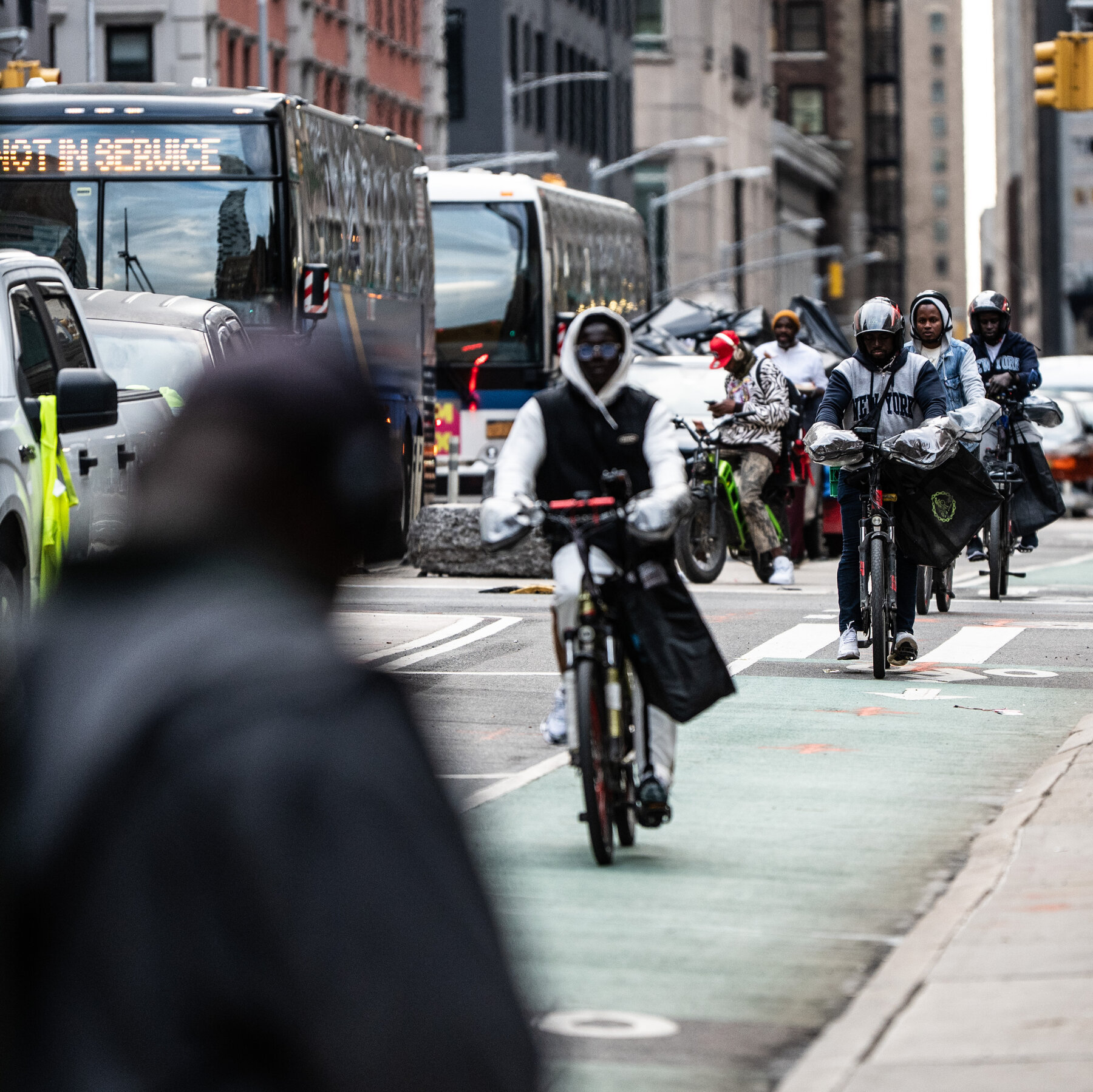
Electric bikes and scooters have rapidly become a popular mode of transportation in New York City, offering convenience, affordability, and an eco-friendly alternative to traditional vehicles. However, the surge in their use has been accompanied by a troubling increase in accidents, some of them fatal, raising serious safety concerns. In response, the City Council is poised to introduce a comprehensive package of 17 proposals designed to enhance safety standards for electric bike and scooter riders as well as pedestrians. This article explores the context behind these legislative efforts, the key proposals under consideration, and their potential implications for urban mobility and public safety in New York City.
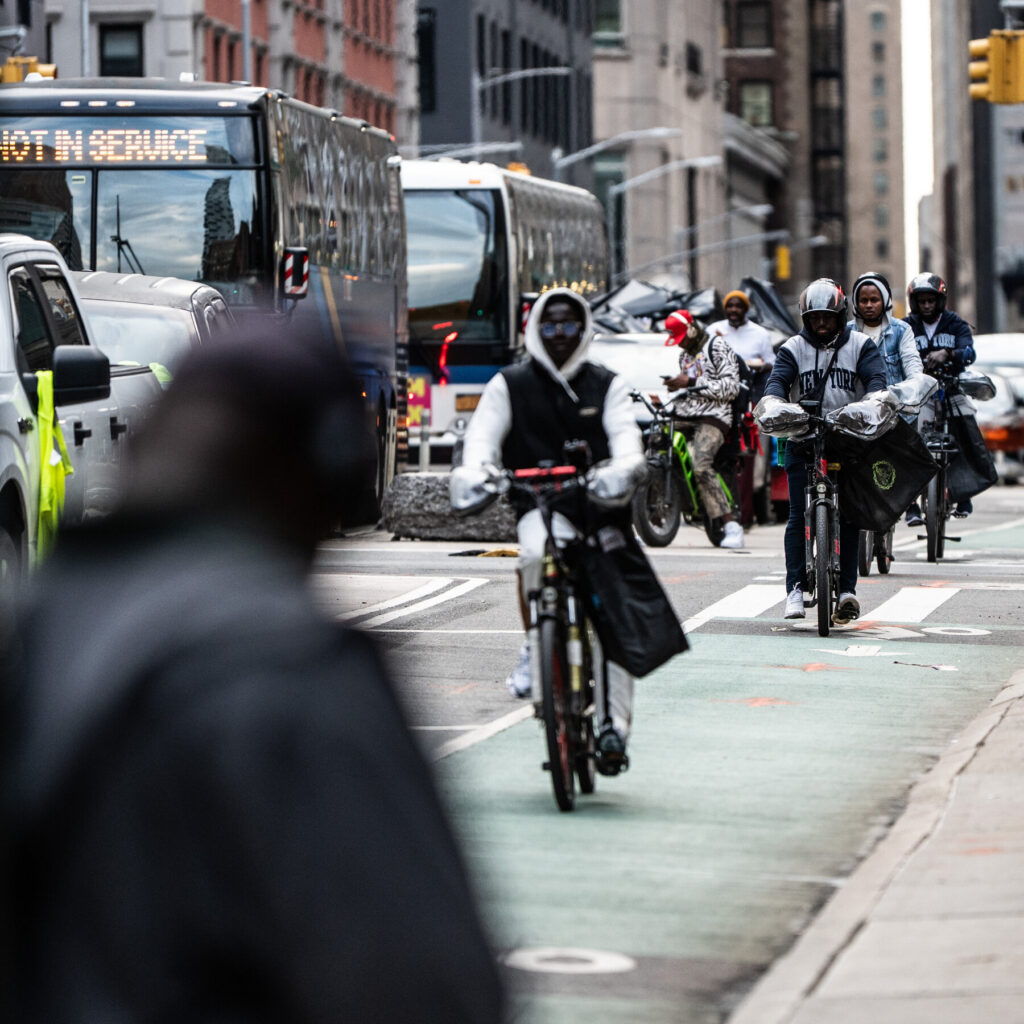
The Rise of Electric Mobility and Associated Risks
Electric bikes and scooters have transformed urban transportation by offering a flexible, low-emission alternative to cars and public transit. Their popularity in New York City has soared in recent years, fueled by the convenience of quick trips, cost savings, and the expanding network of bike lanes and shared mobility programs.
However, this rapid growth has also led to a rise in accidents involving electric mobility devices. Some crashes have resulted in serious injuries and fatalities, prompting alarm among city officials, pedestrians, and community groups. The combination of increased device presence on streets and sidewalks has heightened the risk of collisions.
Several factors contribute to these safety challenges. The speed and maneuverability of electric bikes and scooters can make them difficult to predict, especially when riders operate them on sidewalks or in crowded areas. Additionally, inconsistent rider behavior, such as ignoring traffic rules or riding without protective gear, exacerbates risks. Limited regulation and enforcement have further complicated efforts to ensure safety for all road users.
Legislative Response: 17 Proposals for Enhanced Safety
In response to growing safety concerns, New York City Council members are preparing to introduce 17 distinct proposals aimed at regulating electric bikes and scooters more effectively. These measures are designed to address multiple facets of safety, including rider conduct, device specifications, and enforcement mechanisms.
While the full details of the proposals have not been publicly disclosed, they are expected to include requirements such as enforcing speed limits, mandating helmet use, restricting sidewalk riding, and increasing penalties for violations. By targeting these areas, the City Council aims to create a safer environment for riders, pedestrians, and motorists alike.
Beyond safety, the proposals reflect a broader effort to responsibly integrate electric bikes and scooters into the city’s transportation framework. The goal is to balance innovation and convenience with public safety, ensuring that the benefits of electric mobility can be enjoyed without compromising the well-being of the community.
Balancing Innovation and Safety in Urban Transportation
Electric bikes and scooters represent a significant shift in how New Yorkers navigate the city. They offer a sustainable transportation option that can reduce traffic congestion, lower greenhouse gas emissions, and provide affordable mobility for diverse populations.
However, the rapid adoption of these devices has outpaced the development of comprehensive safety regulations, creating a complex policy challenge. Lawmakers must craft policies that protect riders and pedestrians while preserving the advantages of electric mobility.
Overly restrictive regulations risk discouraging use and hindering progress toward greener transportation goals, whereas insufficient oversight could lead to more accidents and public backlash. The City Council’s approach seeks to strike a careful balance by implementing targeted measures that address the most pressing safety concerns without imposing unnecessary burdens on riders.
Community and Stakeholder Perspectives
Community members and advocacy groups have expressed a range of views regarding the proposed regulations. Pedestrian safety advocates generally support stricter rules to reduce collisions and injuries, emphasizing the need for clear guidelines and robust enforcement to protect vulnerable populations.
Conversely, some rider groups caution against measures that might limit accessibility or impose excessive costs, such as mandatory helmet laws or restrictions on device types. They argue that education campaigns and infrastructure improvements, like expanding protected bike lanes and dedicated scooter paths, could be more effective in promoting safety without discouraging ridership.
City officials have acknowledged these differing perspectives and indicated that the legislative process will include opportunities for public input and stakeholder engagement. This inclusive approach aims to refine the proposals to best serve the diverse needs of New Yorkers.
Looking Ahead: Potential Impact and Implementation Challenges
If enacted, the proposed regulations could significantly reshape the landscape of electric bike and scooter use in New York City. Enhanced safety standards may reduce accidents and improve coexistence between riders, pedestrians, and motorists, contributing to a safer urban environment.
However, implementing these measures will require coordinated efforts across multiple city agencies, including law enforcement, transportation departments, and public education programs. Ensuring consistent enforcement and compliance will be critical to the success of the new rules.
Additional challenges include adapting city infrastructure to better accommodate electric mobility devices, such as expanding and improving bike lanes and parking facilities. Monitoring the effectiveness of the regulations over time will also be essential to address emerging issues and evolving urban mobility trends.
Ultimately, the success of these initiatives will depend on ongoing collaboration among policymakers, community stakeholders, and the public to foster a safer, more sustainable transportation ecosystem.
What this means
The surge in electric bike and scooter use in New York City underscores the urgent need for thoughtful regulation that ensures safety without hindering innovation. The City Council’s forthcoming proposals represent a proactive step toward addressing the risks associated with these devices while preserving their benefits. As the legislative process unfolds, balancing the interests of all stakeholders will be crucial to fostering a safer, more sustainable urban transportation environment. Continued dialogue, investment in infrastructure, and consistent enforcement will be key to realizing the full potential of electric mobility while minimizing harm.
Source: After Deadly E-Bike Crashes, N.Y. Lawmakers Consider Crackdown via www.nytimes.com.
This article was curated with AI assistance and reviewed according to Tamfis editorial settings.