
News
RUSSIA versus NATO and BRICS vs. NATO Military SWOT
Recall that Poland’s Minister Sikorski’s core claim is partially supported by the numbers, but the framing “quite quickly” and “without the U.S.” does not…
TAMFIS NIG LTDRC 8067447CAC ACTIVEFinima, Bonny Island, Rivers State

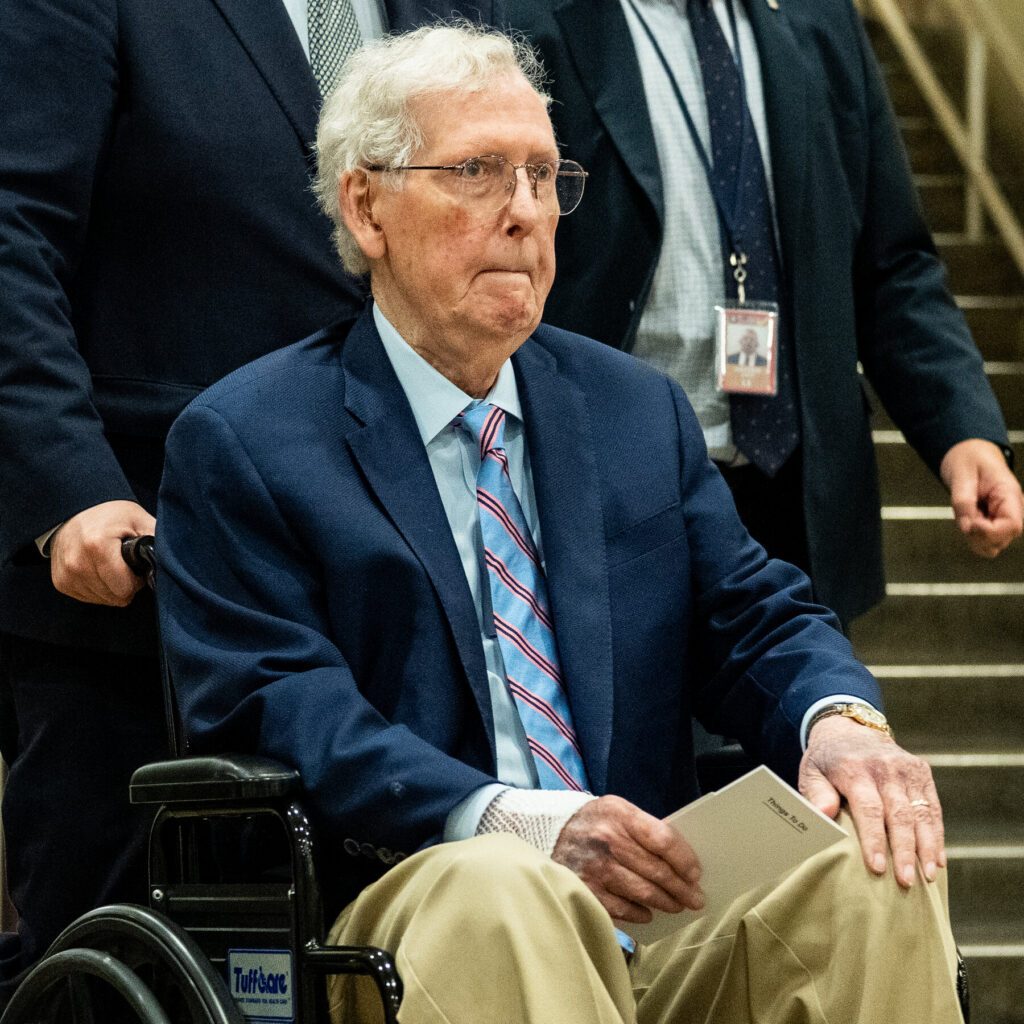
Mitch McConnell, the senior United States Senator from Kentucky and the Senate Minority Leader, has recently been discharged from a rehabilitation facility after an extended absence from Congress. His departure from the facility marks a new phase in his ongoing recovery following a health episode that sidelined him for nearly two months. This development has drawn attention not only to the health and future role of one of the Senate's most influential figures but also to the broader implications for Senate leadership, political dynamics, and the challenges faced by aging public officials in maintaining their duties amid health concerns.
Nearly two months ago, Mitch McConnell experienced a significant health episode that necessitated hospitalization and a subsequent stay in a rehabilitation facility. While specific details about the nature of his health incident have not been publicly disclosed, the seriousness of the situation required an extended period away from his Senate duties to focus on recovery.
During this time, McConnell’s responsibilities as Senate Minority Leader were managed by other members of the Republican caucus, ensuring continuity in leadership. His absence sparked widespread discussions about how his health might affect Senate operations, legislative negotiations, and the strategic direction of the Republican Party. Given McConnell’s pivotal role in shaping policy priorities, coordinating party strategy, and negotiating with the majority party, his health and availability are critical to the Senate’s effective functioning.
Recent reports confirm that McConnell has been discharged from the rehabilitation center, signaling meaningful progress in his recovery journey. However, he is not yet fully recovered and will continue his recuperation at home. This transition from inpatient care to home-based recovery is a common and important step in medical rehabilitation, allowing patients to regain strength in a more comfortable and familiar environment.
Recovering at home offers McConnell the opportunity to balance rest with gradual re-engagement in daily activities and responsibilities. This setting can support both physical healing and emotional well-being, which are vital for a successful return to public life. His decision to continue recovery at home reflects a cautious and measured approach to managing his health while maintaining connections to his leadership role.
This phase also highlights the challenges senior public officials face when balancing demanding roles with health needs, emphasizing the importance of flexible recovery plans that accommodate ongoing medical care alongside professional obligations.
McConnell’s health episode and subsequent absence have significant implications for Senate leadership and the broader political environment. As Minority Leader, McConnell plays a central role in shaping Republican legislative strategies, maintaining party unity, and negotiating with the majority party on critical issues. His temporary absence required the Republican caucus to adjust leadership responsibilities to maintain Senate operations without disruption.
These adjustments underscored the importance of succession planning and organizational adaptability within political parties. The ability to respond effectively to unexpected leadership changes is crucial for political stability and legislative continuity. Observers are closely monitoring McConnell’s recovery timeline, as it could influence his capacity to fully participate in upcoming legislative sessions and election cycles.
Given McConnell’s extensive experience and influence, his presence remains vital to the Republican Party’s strategic positioning. His health status is therefore not only a personal matter but one with significant political ramifications, affecting both party dynamics and legislative agendas.
The announcement of McConnell’s discharge and ongoing recovery has elicited a range of reactions from political figures, media outlets, and the public. Supporters have expressed relief and optimism, commending his resilience and dedication to public service despite facing health challenges.
Simultaneously, the situation has sparked broader conversations about the importance of health transparency among elected officials. Clear, timely communication regarding the health status of public leaders is increasingly viewed as essential for maintaining public trust and ensuring effective governance. This transparency helps constituents understand the capacity of their representatives to fulfill their duties and prepares institutions for potential leadership transitions.
Moreover, McConnell’s health episode has intensified discussions about the necessity of robust succession planning within political parties and government institutions. Preparing for unexpected leadership changes is recognized as a key factor in preserving political stability and continuity, especially as many senior politicians face age-related health challenges.
While the exact timeline for McConnell’s full return to Senate duties remains uncertain, his discharge from rehabilitation marks a hopeful milestone. His ongoing recovery at home will likely involve a combination of physical therapy, medical monitoring, and a gradual resumption of work responsibilities, allowing him to rebuild strength and stamina.
Given his long tenure and deep experience in the Senate, many expect McConnell to remain an influential figure in Republican leadership. However, it is anticipated that adjustments to his workload and responsibilities may be necessary to accommodate his health needs and ensure sustainable engagement.
This episode highlights the broader challenges faced by aging politicians and underscores the importance of adaptive leadership strategies that can accommodate health-related absences without compromising governance. It also stresses the need for political institutions to balance the demands of public service with the well-being of their leaders, fostering resilience within leadership structures.
Mitch McConnell’s discharge from rehabilitation marks a significant and hopeful milestone in his recovery following a serious health episode. As he transitions to home-based care, his health remains a central focus for political observers, colleagues, and constituents alike. This episode underscores the critical intersection of health and governance, particularly for senior political leaders who carry substantial responsibilities. While uncertainties remain about the timeline for his full return to Senate duties, McConnell’s experience and leadership continue to shape the Republican caucus and the broader legislative landscape. Moving forward, balancing health considerations with public responsibilities will be essential not only for McConnell but also for the Senate as a whole, highlighting the need for adaptive leadership, transparent communication, and robust succession planning within government institutions.
Originally reported by nytimes.com. Adapted for our readers with AI assistance.
Keep reading
News
Recall that Poland’s Minister Sikorski’s core claim is partially supported by the numbers, but the framing “quite quickly” and “without the U.S.” does not…
Politics
In August 2025, Zespri, the world’s largest marketer of kiwifruit, announced that the European Commission had approved what it described as the first health…
News
By Engr. Tamunofiniarisa BrownReading Time: 6 Minutes The conflict between Russia and Ukraine is often framed in the media as a simple battle between…
TAMFIS NIG LTD
Electrical and instrumentation engineering, bid preparation and consulting, IT and software.