
News
RUSSIA versus NATO and BRICS vs. NATO Military SWOT
Recall that Poland’s Minister Sikorski’s core claim is partially supported by the numbers, but the framing “quite quickly” and “without the U.S.” does not…
TAMFIS NIG LTDRC 8067447CAC ACTIVEFinima, Bonny Island, Rivers State

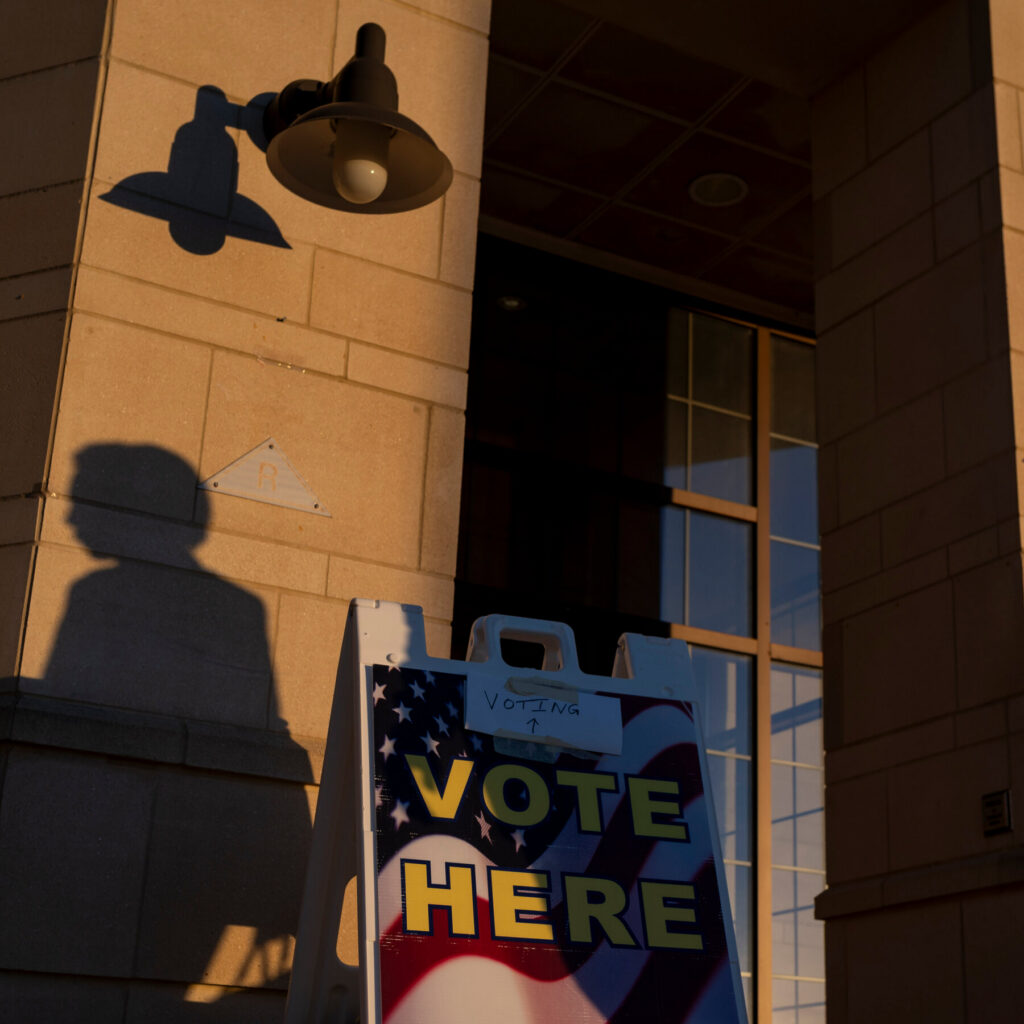
In a troubling development for immigrant communities, New Jersey officials have discovered that up to 6,600 noncitizens were mistakenly registered to vote. While voter registration is typically a routine administrative process, this error carries serious consequences for those involved. For many noncitizens, registering to vote—even unintentionally—can be interpreted as a violation of immigration laws, potentially disqualifying them from obtaining lawful permanent residency (green cards) and exposing them to removal proceedings. This article examines the scope of the error, its legal ramifications, and the broader challenges noncitizens face navigating voter registration and immigration status.
New Jersey state officials recently uncovered that approximately 6,600 individuals who are not U.S. citizens were improperly added to the state’s voter registration rolls. This error reportedly stemmed from administrative oversights and possibly from the use of automatic voter registration systems that did not adequately verify citizenship status.
The affected individuals include lawful permanent residents, visa holders, and others with noncitizen status who may have been unaware that they were registered to vote. Because only U.S. citizens are legally permitted to vote in federal and state elections, this error has raised significant legal and immigration concerns.
While the state has moved to correct the voter rolls, the damage may already be done for many noncitizens. Being listed as a registered voter can be viewed by immigration authorities as evidence of a false claim to U.S. citizenship, which can have severe consequences, including jeopardizing their ability to remain in the country legally.
Noncitizens who register to vote or vote in federal elections can face serious immigration penalties. Under U.S. immigration law, falsely claiming to be a U.S. citizen to gain an immigration benefit is grounds for inadmissibility or removal. This means that even an unintentional registration could be interpreted as a misrepresentation.
For those seeking green cards, such a finding can lead to denial of their application or even trigger deportation proceedings. The stakes are high because immigration officials may view voter registration as an affirmative act of claiming citizenship.
Legal experts emphasize that the context and intent behind the registration matter, but proving lack of intent can be difficult. Many noncitizens may not realize they were registered, especially when automatic voter registration systems enroll individuals based on driver’s license or state ID information without explicit consent.
Additionally, once on the voter rolls, noncitizens may face challenges in clearing their records, as the process requires timely action and legal assistance to avoid long-term immigration consequences.
Automatic voter registration (AVR) has been adopted by many states, including New Jersey, to increase voter participation by automatically registering eligible citizens when they interact with government agencies. While AVR has helped boost voter turnout, it also presents risks when citizenship verification processes are insufficient.
In some cases, noncitizens with driver’s licenses or state IDs issued by the Department of Motor Vehicles (DMV) have been automatically registered without being fully aware of the implications. The system relies heavily on self-attestation of citizenship, which can lead to errors if not properly checked.
This incident in New Jersey highlights the need for improved safeguards and clearer communication to ensure that only eligible citizens are registered, protecting noncitizens from unintended consequences. It also underscores the importance of training DMV staff and election officials on the nuances of citizenship verification.
Balancing the goal of increasing voter participation with the need to prevent improper registrations remains a complex challenge for policymakers.
If you are a noncitizen and believe you may have been registered to vote in New Jersey or elsewhere, it is critical to take immediate steps to address the issue. First, check your voter registration status through your state’s election office or online portals.
If you find that you are registered, contact an immigration attorney or a trusted legal aid organization for guidance. They can help you understand your options and may assist in correcting the record with election officials.
It is important not to ignore notices or communications from immigration authorities. Proactively addressing the situation can help mitigate potential negative impacts on your immigration status.
Additionally, noncitizens should be cautious when interacting with voter registration processes and ensure they do not inadvertently provide false information. Understanding the legal boundaries and seeking advice before taking any action related to voting is essential.
This voter registration error sheds light on the complex intersection of immigration enforcement and voting rights. While protecting the integrity of elections is vital, so too is safeguarding the rights and legal protections of immigrant communities.
The incident raises questions about how states can balance automatic voter registration with accurate citizenship verification to prevent similar errors. It also underscores the need for clear public education about voter eligibility and the consequences of registration for noncitizens.
Policymakers and advocates are calling for reforms that would minimize the risk of noncitizens being mistakenly registered while preserving efforts to increase voter participation among eligible citizens.
Ultimately, this situation highlights the precarious position many immigrants face, navigating complicated legal systems where administrative errors can have life-altering consequences. It also points to the necessity of comprehensive policy solutions that address both voting access and immigration protections.
The New Jersey voter registration error serves as a cautionary tale about the unintended consequences that administrative mistakes can have on immigrant communities. While efforts to expand voter participation through automatic registration are well-intentioned, they must be paired with robust safeguards to prevent noncitizens from being mistakenly enrolled. For those affected, swift action and legal support are essential to protect their immigration status and future prospects. This incident also calls for a broader dialogue on how election systems and immigration policies intersect, emphasizing the need for reforms that uphold both democratic participation and immigrant rights.
Originally reported by nytimes.com. Adapted for our readers with AI assistance.
Keep reading
News
Recall that Poland’s Minister Sikorski’s core claim is partially supported by the numbers, but the framing “quite quickly” and “without the U.S.” does not…
Politics
In August 2025, Zespri, the world’s largest marketer of kiwifruit, announced that the European Commission had approved what it described as the first health…
News
By Engr. Tamunofiniarisa BrownReading Time: 6 Minutes The conflict between Russia and Ukraine is often framed in the media as a simple battle between…
TAMFIS NIG LTD
Electrical and instrumentation engineering, bid preparation and consulting, IT and software.