
News
RUSSIA versus NATO and BRICS vs. NATO Military SWOT
Recall that Poland’s Minister Sikorski’s core claim is partially supported by the numbers, but the framing “quite quickly” and “without the U.S.” does not…
TAMFIS NIG LTDRC 8067447CAC ACTIVEFinima, Bonny Island, Rivers State

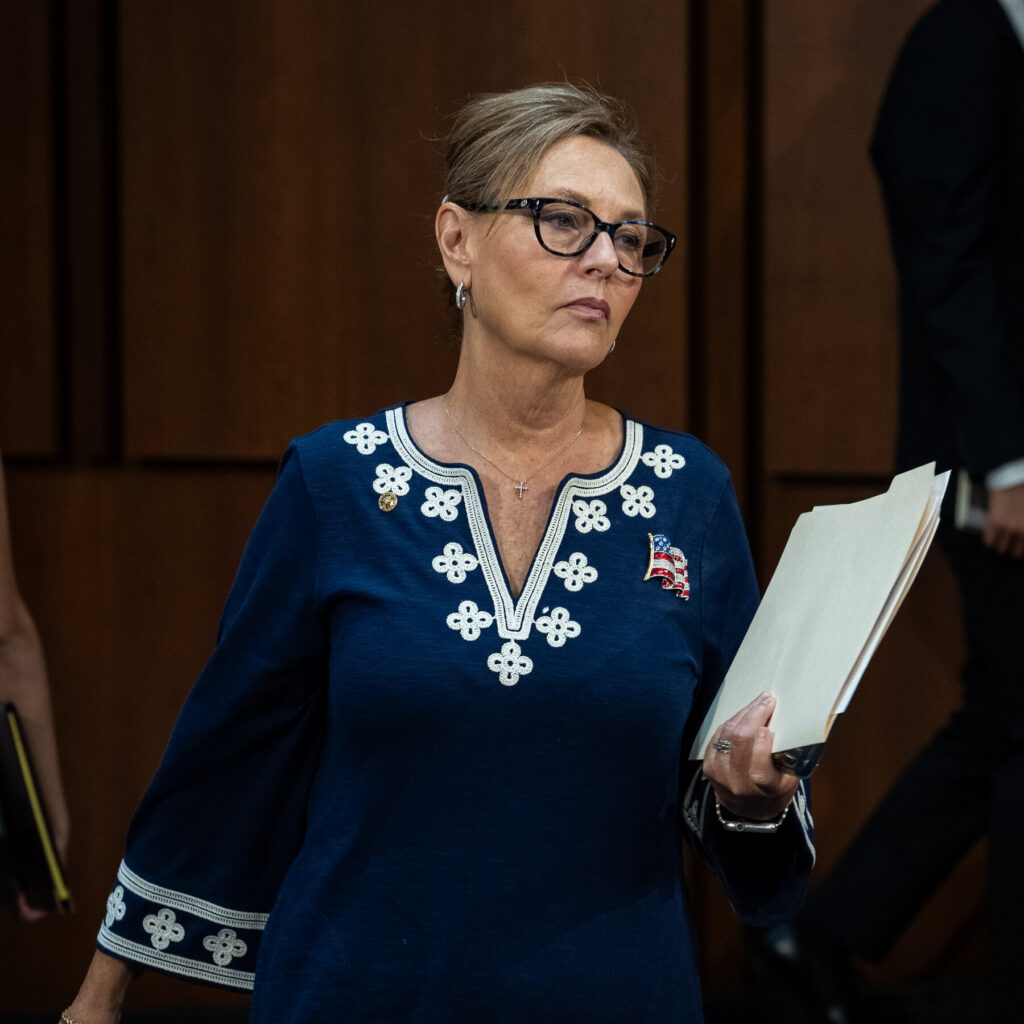
Senator Lindsey Graham was widely recognized for his openness with the press, frequently engaging reporters with candid conversations and providing timely commentary on pressing issues. In stark contrast, his sister and successor, Darline Graham, has adopted a notably reserved stance, largely refraining from media interactions since assuming his Senate seat. This shift in communication style highlights the varied ways elected officials manage their public profiles and navigate media scrutiny, especially when stepping into the shoes of a prominent predecessor.
Lindsey Graham’s tenure in the Senate was marked by his willingness to speak openly with journalists, often providing insights that shaped public discourse and occasionally sparking debate through his forthright remarks. His accessibility made him a familiar figure in political journalism, frequently quoted and closely followed by both supporters and critics.
Following his untimely death, Darline Graham was appointed to fill the vacant Senate seat. Unlike her brother, Darline has largely avoided engaging with the press. Reporters at the Capitol have noted her reluctance to answer questions, signaling a deliberate choice to maintain a lower public profile and limit spontaneous interactions with the media.
This contrast between siblings raises important questions about how individual personalities and strategic considerations influence the way politicians interact with the press. While Lindsey’s openness appeared to be a tool for shaping narratives and maintaining visibility, Darline’s silence could be aimed at controlling the messaging around her tenure or focusing on legislative responsibilities without the distractions of media scrutiny.
Politicians’ relationships with the media vary widely, spanning from highly accessible and communicative to guarded and selective. This spectrum reflects personal comfort levels, political strategy, and the evolving nature of media itself, which has become increasingly fast-paced and polarized.
Some elected officials actively leverage frequent media engagement to build their personal brand, influence public opinion, and respond swiftly to emerging issues. They view openness as a way to connect with constituents and demonstrate transparency.
Others, like Darline Graham, prioritize privacy or prefer to communicate through official statements and controlled channels. This approach can minimize misinterpretation, avoid controversy, and allow for more deliberate messaging. It also reflects a cautious response to today’s media environment, where offhand comments can quickly become headlines and fuel partisan divides.
Darline’s measured communication style suggests a preference for thoughtful engagement over spontaneous interaction, which may be a strategic choice given the intense scrutiny that comes with public office.
A politician’s willingness to engage with the media plays a significant role in shaping public perceptions of transparency and accessibility. Lindsey Graham’s openness allowed voters and observers to directly gauge his positions and personality through media coverage, fostering a sense of connection and accountability.
In contrast, Darline Graham’s reticence poses challenges for reporters seeking to inform the public about her priorities and legislative agenda. Without regular commentary or interviews, constituents may have to rely more heavily on official communications or secondhand reports, which can limit their understanding of her stance on key issues.
However, a quieter approach does not necessarily equate to diminished effectiveness. Some politicians argue that focusing on policy work and avoiding media distractions better serves their constituents’ interests. By limiting media exposure, they can dedicate more time to legislative duties and constituent services, potentially leading to more substantive outcomes.
This balance between openness and discretion is a nuanced aspect of political communication that varies by individual and context.
The Capitol is a hub of constant media activity, where reporters seek immediate reactions and soundbites. This environment can be both an opportunity and a challenge for lawmakers, who must weigh the benefits of visibility against the risks of misstatements or misinterpretation.
Lindsey Graham’s comfort with this dynamic allowed him to shape narratives and maintain a high profile, leveraging media attention to advance his political goals. His frequent interactions with journalists helped him stay at the forefront of political conversations.
Darline Graham’s avoidance of direct questioning suggests a strategic decision to sidestep the pressures of instant media cycles. As a newly appointed senator, she may prefer to first establish her legislative credentials and build relationships within the Senate before courting extensive media attention.
This cautious approach may also reflect an awareness of the challenges faced by politicians in the current media climate, where rapid-fire coverage and social media can amplify mistakes or controversies.
As Darline Graham campaigns to officially succeed her brother in the Senate, her media strategy will likely continue to evolve. Balancing the need for public engagement with her current reticence will be crucial in building voter trust and name recognition ahead of upcoming elections.
Observers will be watching to see if she adopts a more open communication style over time or maintains her guarded approach. Her choices may offer insights into how new politicians navigate the legacy of prominent predecessors while forging their own identities.
Ultimately, Darline Graham’s approach underscores the diversity of political communication styles and the ongoing negotiation between transparency, privacy, and strategic messaging in public office. How she manages this balance will play a significant role in shaping her effectiveness and public image moving forward.
The contrasting media approaches of Lindsey and Darline Graham illustrate the complex relationship between politicians and the press. While Lindsey’s openness helped define his public persona and influence political discourse, Darline’s reticence highlights a cautious, perhaps strategic, alternative that prioritizes control over messaging and legislative focus. As she continues her political career, her communication style will play a significant role in shaping her public image and effectiveness as a representative. Understanding these dynamics offers valuable perspective on how elected officials balance the demands of transparency, privacy, and political strategy in a fast-paced media environment.
Originally reported by nytimes.com. Adapted for our readers with AI assistance.
Keep reading
News
Recall that Poland’s Minister Sikorski’s core claim is partially supported by the numbers, but the framing “quite quickly” and “without the U.S.” does not…
Politics
In August 2025, Zespri, the world’s largest marketer of kiwifruit, announced that the European Commission had approved what it described as the first health…
News
By Engr. Tamunofiniarisa BrownReading Time: 6 Minutes The conflict between Russia and Ukraine is often framed in the media as a simple battle between…
TAMFIS NIG LTD
Electrical and instrumentation engineering, bid preparation and consulting, IT and software.