
News
KFF Health News’ ‘What the Health?’: LIVE From KFF: Health Care and the 2024 Election
Health News tamfitronics [Editor’snote:[Editor’snote: This transcript was generated using both transcription ...
TAMFIS NIG LTDRC 8067447CAC ACTIVEFinima, Bonny Island, Rivers State

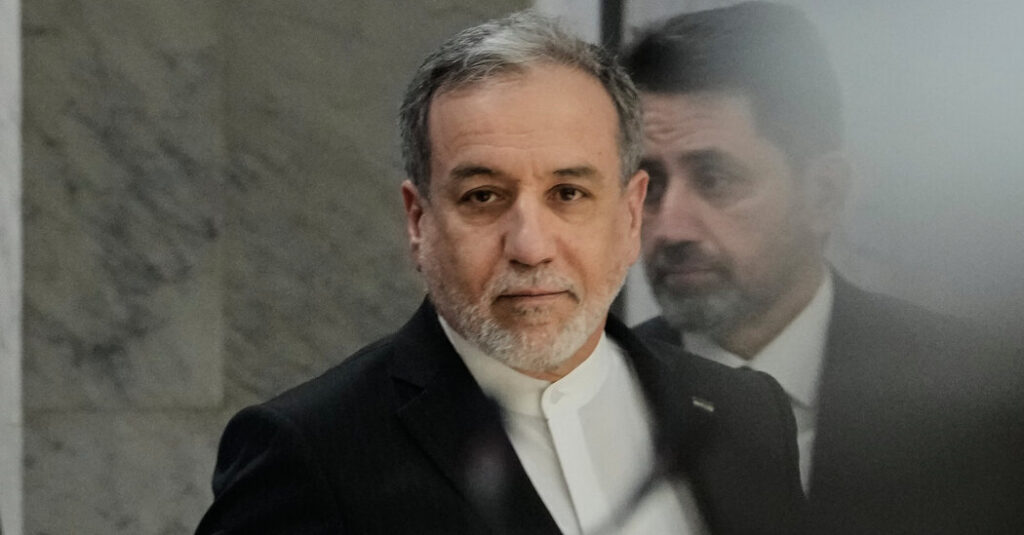
Recent developments have revealed a precarious escalation in the conflict involving Iran and Ukraine. After Ukraine targeted an Iranian commercial vessel in the Caspian Sea, resulting in the death of a civilian sailor, Iran reportedly considered a retaliatory missile strike against a Ukrainian seaport. This potential military response, which was ultimately averted through diplomatic efforts, signals the fragile state of regional security and the complex interplay of alliances, particularly Iran's support for Russia. Understanding the context, implications, and ongoing diplomatic maneuvers is essential for grasping the broader geopolitical landscape.
The immediate cause of heightened tensions was a Ukrainian strike on an Iranian commercial cargo ship in the Caspian Sea. This attack resulted in the death of a civilian sailor, a development that provoked strong reactions from Iranian officials. Ukraine has accused both Iran and Russia of collaborating militarily, intensifying suspicions and hostilities between the involved parties.
Iran's response was swift, with officials vowing retaliation. The incident not only heightened bilateral tensions but also raised concerns about the potential for the conflict to expand beyond its current scope.
Intelligence sources indicate that Iran planned a retaliatory strike involving a ballistic missile equipped with a small warhead aimed at a Ukrainian target. The likely objective was one of Ukraine’s Black Sea ports, a strategic location that would send a clear message without causing extensive destruction.
The missile strike was intended to be symbolic, demonstrating Iran's resolve to respond to attacks on its assets while avoiding a full-scale military confrontation. Such an action would mark a significant escalation, as it would be the first direct Iranian attack on Ukrainian territory, further complicating the regional conflict dynamics.
Despite the initial plans for retaliation, a surge of diplomatic activity helped to calm the situation. Iranian and Western officials engaged in discussions that ultimately prevented the missile strike from being carried out. These diplomatic channels underscore the importance of communication in managing conflicts that have the potential to spiral out of control.
Officials from both sides remain cautious, however, acknowledging the unpredictability of future responses. While Iran expressed hope that a single retaliatory strike would suffice to resolve the conflict, Western analysts warn that Ukraine’s reaction could be difficult to anticipate, potentially leading to further escalation.
A missile attack by Iran on Ukrainian soil would represent a dramatic shift in the conflict’s scope. Given Iran’s alliance with Russia, such an action could be interpreted as a direct extension of the broader Russia-Ukraine war, potentially drawing Iran deeper into the conflict and risking a wider regional war.
The Black Sea region is already a hotspot due to ongoing hostilities, and an Iranian strike could destabilize maritime security, disrupt trade routes, and provoke international condemnation. The involvement of multiple state actors with competing interests complicates the prospects for peace and raises the stakes for global security.
The situation remains fluid, with intelligence and military officials from various countries monitoring developments closely. The anonymity of sources involved in these disclosures reflects the sensitivity and volatility of the issue.
Predicting the next moves by Iran or Ukraine is challenging. While Iran’s leadership may seek to demonstrate strength through limited retaliation, Ukraine’s response could vary widely depending on its strategic priorities and international support. This uncertainty contributes to a tense atmosphere where miscalculations could have severe consequences.
The recent episode involving Iran’s contemplated missile retaliation against Ukraine underscores the fragile nature of the current geopolitical environment. While diplomacy has, for now, averted a direct military escalation, the underlying tensions fueled by alliances and regional conflicts remain unresolved. Vigilant monitoring and sustained diplomatic engagement are essential to prevent further escalation and to promote stability in a region already fraught with conflict. As the situation evolves, the international community must remain attentive to the risks posed by such confrontations and support efforts aimed at peaceful resolution.
Editor’s note: The following is AI-generated commentary and context on this topic, not original reporting.
Refugee and displacement figures tend to climb steadily the longer a conflict persists, placing sustained pressure on neighbouring countries and international aid organisations alike.
Analysts following developments of this kind tend to focus on troop movements, statements from allied governments, and any signs of backchannel negotiations as indicators of where a situation may head next.
Civilian populations typically bear the heaviest cost of sustained hostilities like these, with infrastructure damage disrupting access to electricity, clean water, and medical care long after any single incident makes headlines.
History suggests that de-escalation, when it eventually comes in cases like this, rarely arrives as a single decisive moment — it tends to follow sustained diplomatic engagement between multiple stakeholders over an extended period.
International bodies monitoring situations like this one often face difficult questions about the balance between diplomatic pressure, sanctions, and direct intervention as tensions escalate.
Conflicts of the kind referenced in “Iran’s Considered Retaliation on Ukrainian Seaport Highlights Rising Tensions” tend to reverberate well beyond the immediate parties involved, affecting energy markets, diplomatic alliances, and humanitarian corridors across an entire region.
Energy and shipping markets often react quickly to escalation in conflict zones, with insurers and traders adjusting risk premiums for routes and infrastructure located near active hostilities.
Humanitarian organisations operating in and around conflicts like this one frequently warn that access for aid workers is one of the first casualties of renewed fighting, complicating relief efforts precisely when they are needed most.
Diplomatic statements from allied governments in situations like this are often parsed closely by analysts for subtle shifts in language that may signal changing positions behind closed doors.
Archival context — how similar situations were handled in the past, and what came of them — frequently offers a more reliable guide to likely outcomes than speculation in the immediate aftermath of a story like this.
As is often the case with breaking developments, some of the details surrounding “Iran’s Considered Retaliation on Ukrainian Seaport Highlights Rising Tensions” may be revised or clarified as more information becomes available in the coming days.
Longstanding institutional practices and precedent frequently play a larger role in how situations like this are ultimately resolved than any single statement made in the heat of the initial news cycle.
The economic, legal, or social ripple effects of a story like this are not always apparent immediately, and often only become clear once analysts have had time to examine the fuller set of circumstances involved.
Originally reported by nytimes.com. Adapted for our readers with AI assistance.
Keep reading
News
Health News tamfitronics [Editor’snote:[Editor’snote: This transcript was generated using both transcription ...
News
Amanda Knox, the American woman acquitted of murdering British student Meredith Kercher in Italy, has re...
News
Three-time Olympic champion Adam Peaty, the greatest breaststroker in history, struggles to find his top form at the 2023 Commonwealth Games, settling for bronze…
TAMFIS NIG LTD
Electrical and instrumentation engineering, bid preparation and consulting, IT and software.