Hosepipe Bans and Water Scarcity: Understanding the UK’s Growing Water Challenges
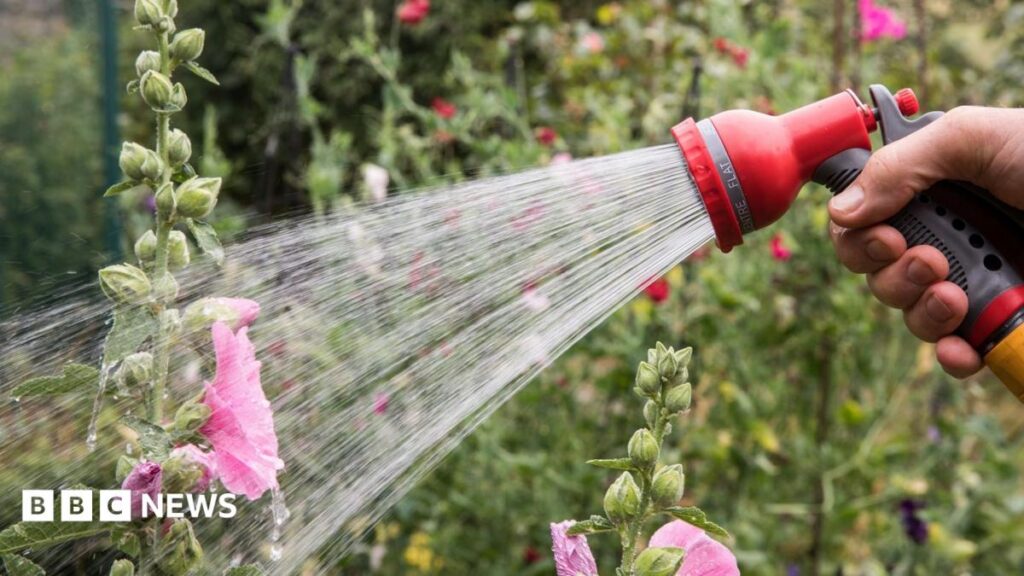
In the summer of 2025, millions of households in the UK have been subjected to hosepipe bans as water companies respond to increasing strain on water supplies. These restrictions, affecting more than 20 million people, are part of a broader response to prolonged dry weather conditions, particularly in southern and eastern England and parts of Wales. While recent winters have been wetter than usual, successive heatwaves and rising temperatures during spring and early summer have significantly depleted water resources. This article examines the regional status of water supplies, the causes behind these restrictions, and what they reveal about the UK's preparedness for future droughts in a changing climate.
Hosepipe Bans and Water Scarcity: Understanding the UK's Growing Water Challenges
What Is Driving Hosepipe Bans and Water Restrictions?
Hosepipe bans are a direct response to the imbalance between water supply and demand, often triggered during periods of prolonged dry weather or drought. Unlike drought, which is defined by a lack of precipitation over an extended period, water scarcity also considers how much water is being used relative to what is available. This means that even if rainfall is not critically low, high water consumption can necessitate restrictions.
In 2025, the UK has experienced a relatively dry spring and early summer, with temperatures frequently surpassing 30°C. These conditions have increased water demand for activities like gardening, vehicle washing, and filling swimming pools, while simultaneously reducing natural water replenishment. Despite a wetter-than-average winter that initially boosted water stores, the recent heatwaves have placed significant stress on water resources, prompting water companies to impose bans to manage demand and protect supplies.
Regional Variations in Water Status Across the UK
The impact of dry weather and water restrictions varies considerably across the UK. According to the Environment Agency, large areas of England—including East Anglia, the West Midlands, Devon, Cornwall, Lincolnshire, Northamptonshire, Hertfordshire, London, and the South Downs—are currently classified as experiencing 'prolonged dry weather,' a status just below drought. Consequently, seven water companies in England and one in Wales have implemented hosepipe bans.
Northern England and parts of the north remain in 'normal' water status, reflecting more stable conditions. In Wales, Natural Resources Wales has escalated certain northern and south-eastern areas to prolonged dry weather status, while Northern Ireland reports no official droughts. Scotland, which does not declare droughts but monitors water scarcity, currently has some eastern areas experiencing 'moderate scarcity' but none in the most severe category.
Reservoir levels also differ regionally. Reservoirs in Northern Ireland, Wales, and Scotland are generally healthy and above average for this time of year. In contrast, reservoirs in England are below average, with notable variation. South-east England depends more heavily on groundwater than reservoirs, which influences how water shortages manifest in that region.
Understanding Water Sources: Rivers, Reservoirs, and Groundwater
The UK’s water supply relies primarily on three sources: rivers, reservoirs, and groundwater. Each responds differently to weather patterns and human activity. Rivers, for example, showed low flows in June due to the hot, dry weather, which can have immediate impacts on ecosystems and water availability.
Reservoirs serve as critical storage systems, buffering against dry periods. While some reservoirs in England are below average levels, those in other UK nations remain healthy thanks to recent wetter winters. Groundwater, which accumulates from rainfall seeping into underground rock formations, tends to respond more slowly to changes in weather. This slow response means groundwater can provide a buffer during short-term droughts but may take longer to recover after prolonged dry spells.
Professor Alan MacDonald of the British Geological Survey explains that groundwater droughts, especially in southern England, develop more gradually but can persist longer than surface water shortages. This characteristic underscores the importance of managing all water sources carefully to maintain supply resilience.
The Role of Climate Change in Increasing Water Stress
While droughts are influenced by a complex interplay of natural and human factors, climate change is expected to exacerbate water scarcity in the UK. The Met Office projects that summers will become drier on average as global temperatures rise. Although no clear trend has yet emerged, rising temperatures increase evaporation rates, drawing more moisture from soil, rivers, and reservoirs.
Professor Richard Allan from the University of Reading highlights that a warmer atmosphere intensifies water loss through evaporation, accelerating the onset of droughts, heatwaves, and wildfires. This means even if rainfall remains stable, water resources can be depleted more quickly, increasing the frequency and severity of water shortages.
However, climate change is only part of the story. Water use patterns, infrastructure investment, and resource management also play critical roles in determining water availability.
Infrastructure Challenges and Future Water Management Plans
A recent comprehensive review of the water sector in England and Wales criticized water companies for historic underinvestment in infrastructure, which has contributed to current supply challenges. Aging systems, leakage issues, and limited capacity to store and distribute water have made it more difficult to respond effectively to periods of high demand and low supply.
To address these challenges, the UK government and water companies have outlined plans to build nine new reservoirs across England by 2050, supplementing the one currently under construction at Havant Thicket in Hampshire. These reservoirs aim to increase storage capacity and improve supply resilience.
In addition to expanding infrastructure, water companies and regulators emphasize the importance of demand management. This includes measures such as reducing leaks, promoting water-efficient appliances, implementing hosepipe bans when necessary, and increasing the use of smart meters to monitor and control consumption.
Water companies in Scotland, Wales, and Northern Ireland, which operate under public or non-profit models, are also taking steps to secure future supplies through investment and conservation initiatives.
What this means
The introduction of hosepipe bans across large parts of the UK underscores the growing challenges of managing water resources in a changing climate. While recent weather patterns have strained supplies, the situation also reflects deeper issues related to infrastructure and consumption habits. Addressing these challenges requires a multifaceted approach that includes investment in new storage capacity, improved infrastructure, and proactive demand management. As the UK faces hotter, drier summers in the future, understanding regional differences and preparing accordingly will be essential to securing sustainable water supplies for all.
Originally reported by bbc.co.uk. Adapted for our readers with AI assistance.
Thousands of young protesters in Delhi continue to demand education reforms and the resignation of Education Minister Dharmendra Pradhan after a police crackdown. The…
Facing a looming financial collapse, Thames Water’s main lenders have offered the UK government a ‘golden share’ and increased local authority involvement to avoid…
Facing record-breaking temperatures and severe drought, Thames Water has introduced a hosepipe ban impacting over 10 million customers across parts of southern England to…