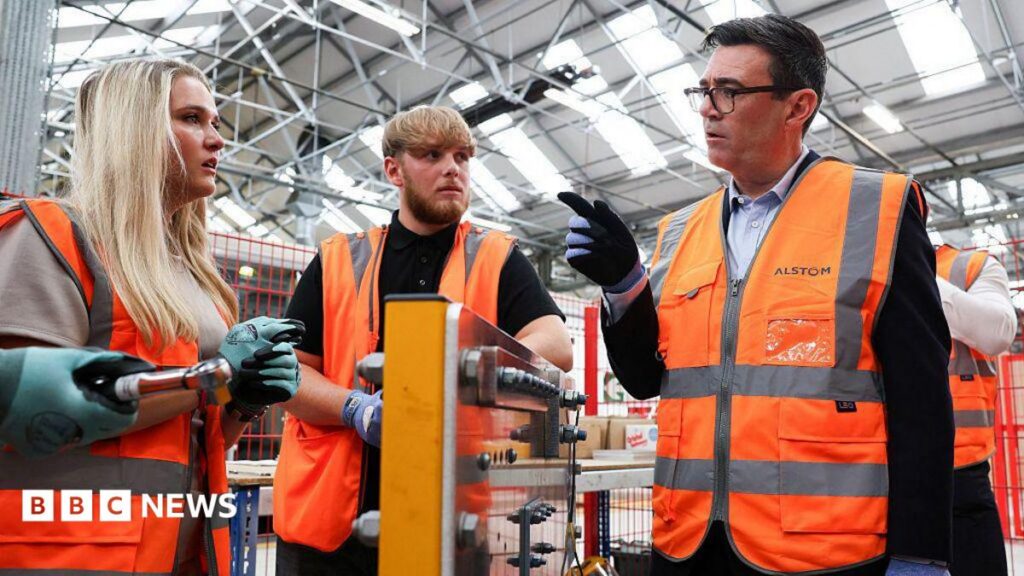
Government Introduces Up to £4,500 Bursary for Parents on Benefits to Support Apprenticeships
Starting an apprenticeship can be a crucial step for young people entering the workforce, offering a combination of paid work and vocational training. However, for families relying on benefits, the financial implications of a child beginning an apprenticeship can be challenging. Recognizing this, the government has announced a new bursary scheme that will provide up to £4,500 per year to parents on benefits, compensating for lost Universal Credit payments when their children start apprenticeships. This article explores the details of the bursary, the issues it seeks to address, and the broader context of youth employment and apprenticeship support in the UK.
Government Introduces Up to £4,500 Bursary for Parents on Benefits to Support Apprenticeships
The Financial Barrier to Apprenticeships for Families on Benefits
While apprenticeships offer young people valuable work experience and training, families receiving benefits often face a financial dilemma when their child takes up such roles. Apprenticeship earnings are considered paid employment, which can reduce benefit payments to the household. This reduction can sometimes exceed the apprentice's actual weekly wage, creating a disincentive for families to support their children entering apprenticeships.
According to a report from the Social Security Advisory Committee, some families, such as single parents with disabled children, could lose up to £340 per week in benefits if their child starts an apprenticeship. This loss is significant, especially when compared to the average apprenticeship salary of around £258 per week. The committee highlighted these 'perverse effects' as a barrier to young people pursuing apprenticeships and gaining employment.
This issue is particularly pressing given the rising number of young people classified as NEET (not in education, employment, or training). Official figures indicate that over one million individuals aged 16 to 24 currently fall into this category, with projections suggesting the number could increase without intervention.
Details of the New Apprenticeship Bursary Scheme
In response to these challenges, the government has introduced a bursary scheme offering up to £4,500 annually to families on benefits whose children start apprenticeships. The bursary is designed to replace the Universal Credit payments lost due to the apprentice's earnings, ensuring that financial concerns do not deter young people from pursuing these opportunities.
The scheme is expected to assist a few thousand households currently affected by benefit reductions ranging from £17 to £330 per week. Funding for the bursary will come from a £30 million pot financed through the growth and skills levy, a tax imposed on employers with annual wage bills exceeding £3 million. This levy aims to support skills development and workforce growth.
Work and Pensions Secretary Pat McFadden emphasized the government's commitment to removing cost barriers: 'By providing bursaries to those who need them most and fully funding apprenticeship training, we are making sure cost is not the reason someone misses out.' The bursary forms part of a broader package that includes funding apprenticeship training for under-25s and offering additional support to employers who hire apprentices.
Political Reactions and Criticisms
The announcement has elicited mixed responses from political figures. The Conservative Party welcomed Prime Minister Andy Burnham's endorsement of apprenticeships but criticized the funding approach for the bursaries. They questioned the sustainability and transparency of the financial backing.
Helen Whately, the Shadow Work and Pensions Secretary, expressed cautious approval of the focus on apprenticeships but pointed out that the plan is 'uncosted' and appears to rely on funds already committed elsewhere. She suggested that this could mean the bursary is either an unfunded announcement or that the government has not fully disclosed its financial strategy.
Andy Burnham, who has made reducing the number of NEET young people a central mission, acknowledged the rising trend in youth disengagement and emphasized the urgency of his plans. He also highlighted his broader educational strategy, aiming to balance academic and technical skills to better prepare young people for the workforce.
The Broader Context: Addressing Youth Unemployment and Skills Development
The bursary initiative is part of a larger governmental effort to tackle youth unemployment and improve skills training. Former Health Secretary Alan Milburn warned recently that without urgent action, one in six young people could be NEET within five years. This scenario poses significant social and economic challenges, including increased dependency on social support and lost productivity.
Apprenticeships are widely recognized as effective pathways for young people to gain practical skills and secure employment. However, systemic issues like the reduction of benefits when apprenticeships begin have hindered participation among disadvantaged groups.
By mitigating financial disincentives, the bursary aims to encourage more young people, especially those from low-income families, to engage in apprenticeships. Additionally, the government's support for employers through training funding and incentives seeks to expand apprenticeship opportunities.
Balancing academic education with technical training is another critical component of the strategy. Burnham's emphasis on this balance reflects a growing recognition that diverse educational pathways are necessary to meet the evolving demands of the labor market.
What this means
The introduction of a bursary to support families on benefits whose children start apprenticeships represents a targeted effort to remove financial barriers and promote youth employment. While the scheme addresses a clear disincentive within the benefits system, its success will depend on effective implementation and ongoing support for apprenticeships across the country. As youth unemployment remains a pressing concern, initiatives like this bursary, combined with broader educational reforms, are essential steps toward creating more equitable opportunities for young people to earn and learn.
Originally reported by bbc.co.uk. Adapted for our readers with AI assistance.
Thousands of young protesters in Delhi continue to demand education reforms and the resignation of Education Minister Dharmendra Pradhan after a police crackdown. The…
Facing a looming financial collapse, Thames Water’s main lenders have offered the UK government a ‘golden share’ and increased local authority involvement to avoid…
Facing record-breaking temperatures and severe drought, Thames Water has introduced a hosepipe ban impacting over 10 million customers across parts of southern England to…