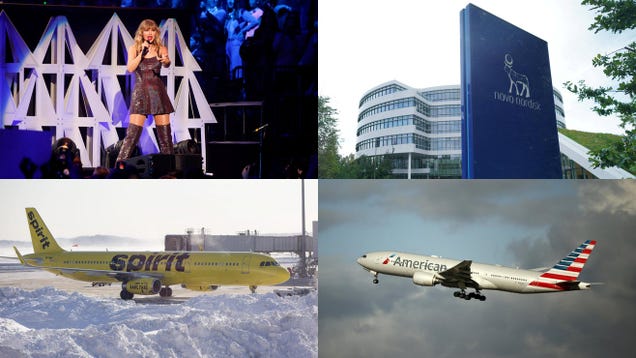
Taylor Swift’s live performance economics, the most up-to-date weight reduction drug, and Spirit Airlines sinks: Industrial info roundup
In today's fast-evolving industrial landscape, diverse sectors such as entertainment, pharmaceuticals, and aviation reveal compelling stories that reflect broader economic trends and innovations. Taylor Swift's live performances continue to redefine concert economics, illustrating how top-tier artists leverage demand and technology. Meanwhile, the pharmaceutical industry witnesses groundbreaking developments with new weight reduction drugs shaping health markets and investor sentiment. Simultaneously, Spirit Airlines faces operational and financial challenges amid a competitive aviation environment. This article unpacks these three pivotal topics in detail, providing a thorough analysis of their current status and implications.
The Economics Behind Taylor Swift’s Live Performances
Taylor Swift’s live concerts are more than just entertainment spectacles; they represent a sophisticated economic phenomenon. Her ability to generate massive ticket sales, merchandise revenue, and streaming boosts positions her as a unique case study in live event economics. The demand for her shows often leads to sold-out arenas within minutes, signaling a well-calibrated pricing and marketing strategy.
Revenue streams from Swift’s tours extend beyond ticket sales. Sponsorship deals, exclusive merchandise, and VIP experiences contribute significantly to overall income. Additionally, her concerts stimulate local economies by increasing tourism, hotel bookings, and related service industries, showcasing the multiplier effect of high-profile tours.
Technology also plays a critical role in optimizing Swift’s live performance economics. Dynamic pricing models, data-driven marketing campaigns, and fan engagement platforms allow her team to maximize revenue while maintaining strong fan loyalty. This blend of artistry and business acumen exemplifies modern entertainment economics.
Innovations in Weight Reduction: The Latest Pharmaceutical Breakthroughs
Recent advancements in weight loss medication have captured significant attention in the healthcare sector. Novo Nordisk’s latest drugs, including Ozempic and Wegovy, have demonstrated remarkable efficacy in clinical trials, with users experiencing substantial weight reduction within weeks. These developments mark a paradigm shift in obesity management, moving beyond traditional diet and exercise approaches.
The economic impact of these drugs is profound. Novo Nordisk’s stock surged to record highs, reflecting investor confidence in the company’s innovation pipeline and market potential. The global demand for effective weight management solutions continues to rise, driven by increasing obesity rates and heightened health awareness.
However, the rollout of these medications also raises questions regarding accessibility, pricing, and long-term effects. Healthcare providers and policymakers are closely monitoring outcomes to ensure equitable distribution and sustainable integration into treatment protocols, balancing commercial interests with public health priorities.
Spirit Airlines’ Operational and Financial Challenges
Spirit Airlines has recently encountered a series of setbacks impacting its operational stability and financial performance. Increasing competition from both legacy carriers and low-cost rivals has pressured Spirit’s market share and pricing strategies. Additionally, rising fuel costs and labor shortages have strained the airline’s profit margins.
Customer service issues and flight delays have further affected Spirit’s reputation, leading to decreased consumer confidence. These challenges necessitate strategic adjustments, including fleet modernization, route optimization, and enhanced customer engagement initiatives to regain competitive advantage.
Financially, Spirit’s stock performance reflects investor concerns about its short-term outlook. The company is exploring partnerships and cost-cutting measures to stabilize operations. Industry analysts emphasize the importance of adapting to evolving consumer expectations and external economic conditions to ensure long-term viability.
The Synergy Between Entertainment and Local Economies
Taylor Swift’s tours do not only generate direct revenue but also create substantial economic benefits for host cities. Concert attendees contribute to local hospitality sectors by booking accommodations, dining at restaurants, and utilizing transportation services, thereby infusing capital into regional markets.
Municipalities often collaborate with event organizers to maximize these benefits, investing in infrastructure improvements and marketing campaigns to attract additional visitors. This symbiotic relationship highlights how entertainment events can serve as economic catalysts beyond ticket sales alone.
Furthermore, the media coverage and social media buzz around high-profile concerts enhance destination branding, potentially increasing tourism and business investments over the longer term. These ripple effects underscore the multifaceted economic influence of major live performances.
Pharmaceutical Market Dynamics and Weight Loss Drug Demand
The surge in demand for weight reduction drugs like Ozempic and Wegovy has reshaped pharmaceutical market dynamics. These drugs not only address obesity but also have implications for diabetes management, broadening their therapeutic appeal and market reach.
Pharmaceutical companies are ramping up production capacities to meet global demand, while regulatory agencies expedite approvals to facilitate access. This accelerated innovation cycle exemplifies the responsiveness of the pharmaceutical sector to public health needs.
However, supply chain constraints and pricing debates continue to challenge stakeholders. Balancing profitability with affordability remains a central theme as the industry navigates complex ethical and economic considerations.
Competitive Landscape and Strategic Responses in Aviation
Spirit Airlines operates within a highly competitive aviation sector characterized by fluctuating fuel prices, regulatory pressures, and shifting consumer preferences. Low-cost carriers must continuously innovate to sustain profitability while maintaining customer satisfaction.
In response to these pressures, Spirit is exploring enhanced digital booking platforms, loyalty programs, and ancillary service offerings. These initiatives aim to differentiate the airline and improve operational efficiency amid a crowded marketplace.
Collaborations and potential mergers are also under consideration as strategic avenues to expand market presence and share resources. Industry experts advocate for agility and customer-centric approaches as critical success factors in the current aviation environment.
Technological Innovations Impacting Entertainment and Pharmaceuticals
Technological advancements have been instrumental in transforming both the entertainment and pharmaceutical industries. For Taylor Swift’s concerts, innovations such as augmented reality, advanced ticketing algorithms, and real-time fan analytics enhance the live experience and operational efficiency.
In pharmaceuticals, technology accelerates drug discovery, clinical trials, and personalized medicine approaches. Data analytics and artificial intelligence help optimize treatment protocols and patient outcomes, particularly in complex areas like weight management.
These cross-industry technological synergies demonstrate how innovation drives value creation, improves stakeholder engagement, and fosters competitive advantages in diverse sectors.
Future Outlook: Navigating Challenges and Opportunities
Looking ahead, Taylor Swift’s live performances are expected to continue evolving with immersive technologies and innovative fan engagement strategies, sustaining their economic impact and cultural relevance.
The pharmaceutical industry will likely see further breakthroughs in weight reduction therapies, with an emphasis on accessibility and long-term health benefits, shaping future market landscapes and healthcare practices.
Spirit Airlines and other aviation players must adapt to ongoing operational challenges through strategic planning and customer-focused innovations to secure resilience and growth in a volatile market environment.
Conclusion
The interconnected narratives of Taylor Swift’s concert economics, the latest weight reduction drug innovations, and Spirit Airlines’ operational struggles reveal the dynamic nature of today’s industrial landscape. Each sector faces unique challenges and opportunities shaped by consumer behavior, technological progress, and market forces. Understanding these developments provides valuable insights into how industries adapt and thrive amid complexity. As entertainment, healthcare, and aviation continue to evolve, strategic innovation and responsiveness will be essential drivers of sustained success.
Originally reported by qz.com. Adapted for our readers.
Business Prince Harry struck a warm, business-as-usual tone at Thursday night’s Invictus Spirit Awards, reaffirming his commitment to military veterans and to the Invictus…
Business Businesses are racing to adopt AI, but years of solving individual operational problems with separate software may have created the very fragmentation now…