Tim Martin: ‘Not up to Burnham’ to choose who is on the high street
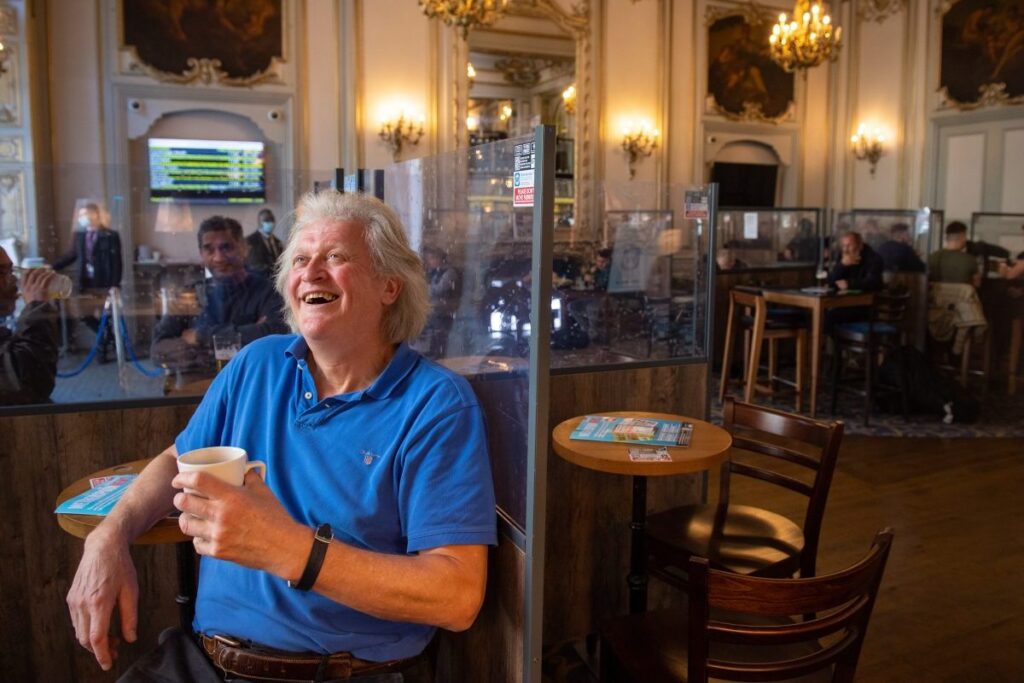
When Sir Tim Martin opened his first pub in Muswell Hill in 1979, Britain’s high streets were dominated by butchers, bookmakers, off-licences and the smoke-filled local. Nearly half a century later, the Wetherspoon founder is still fiercely protective of the hospitality trade, but he has now widened his brief to defend two of the sector’s most controversial neighbours: vape shops and gambling centres. In an interview with City AM published on 11 September 2026, Martin criticised the Prime Minister, Andy Burnham, for pledging to sweep so-called “rogue operators” off the high street while simultaneously loading pubs and venues with new costs. His argument is simple: elected politicians should not choose which legal shops are allowed to trade, and the real threat to town centres is not vape pods or betting slips but a tax and regulatory structure that makes hospitality increasingly unprofitable.
From defending pubs to defending legal traders
Martin has spent decades building JD Wetherspoon into the UK’s best-known pub chain, famous for low prices and converted banks, cinemas and post offices. That long tenure gives his views weight, even when they stray beyond the beer pump. In the City AM interview he rejected the idea that Downing Street should decide the ideal mix of tenants on British high streets.
“I think it’s not up to the Prime Minister, or the leader of the opposition, to say what shops should be in high streets,” he said. The Wetherspoon chairman pointed out that vaping is legal, widely used and supported by consumer demand. Vape shops, like betting shops, pay rent, business rates and wages. Demoralising their owners, he argued, achieves nothing if no other retailer is prepared to take the same premises.
Vape shops and betting shops: scapegoats or symptoms?
Martin’s stance puts him in agreement with Mike Ashley, the Frasers Group owner, who has accused Burnham of pursuing “good media soundbites” instead of tackling the deeper issues behind Britain’s struggling town centres. Martin told City AM that he is not a vaper and is an ex-smoker, but that the principle matters more than personal taste.
“So long as there are vapers and smokers in the land, and it’s not illegal, it’s pointless to suggest that high streets would be better off without those transactions taking place in the town centre,” he said. The analysis is commercially pragmatic: vacant units hollow out high streets more than unpopular tenants do. If consumers want a product and the business operates within the law, removing it simply moves trade elsewhere rather than reviving the surrounding area.
New tourist taxes add to hospitality’s load
The hospitality industry’s irritation goes beyond rhetoric. This week the government set out plans to let mayors impose uncapped taxes on tourists’ accommodation fees. Martin said he opposes any measure that removes money from the public through higher prices, adding that the UK has already become a “heavily taxed economy”.
The timing is sensitive. Pubs, bars and music venues were given a business-rates cut as one of Burnham’s first announcements after entering Downing Street, but operators say the relief is being swallowed by other government-driven costs. Higher employer National Insurance contributions, above-inflation minimum-wage increases and surging supply-chain costs linked to the Iran war have all tightened margins. For many licensees, the net effect is that selling a pint produces only a meagre profit.
VAT, supermarkets and the battle for the pint
Martin’s proposed fix is a tax rebalancing rather than a crackdown on competitors. He says supermarkets have taken roughly half the beer trade away from pubs since he founded Wetherspoon, largely because the tax burden on food and drink sold in pubs is much heavier than that on food sold in supermarkets.
To illustrate the point, Wetherspoon plans to cut the price of all food and drink by 7.5 per cent for one day the following Thursday. The stunt is designed to show the savings that could be passed to customers if the government reduced hospitality VAT. Martin has backed a campaign led by celebrity chef Tom Kerridge to cut the hospitality VAT rate from 20 per cent to 10 per cent.
The proposal is not without sceptics. Some commentators argue that the industry’s largest operators would absorb the savings rather than lower prices. Martin clearly disagrees, but the debate matters for shoppers and business buyers alike: the question is not just whether tax cuts help pubs, but who ultimately captures the benefit.
Would he start a pub company today?
Martin’s assessment of the sector today is unusually downbeat for a man who has spent his career expanding it. Trading conditions, he said, are “infinitely more difficult now” than in the late 1970s, and he would think twice before launching a pub company from scratch. The reason is structural: the on-trade has lost more than half its beer volumes to supermarkets over the lifetime of Wetherspoon.
That warning should interest investors, franchisees and anyone weighing hospitality as a career. A business whose core product has shrunk by half in volume terms must compensate through efficiency, price discipline and, ideally, a fairer tax backdrop. Without the latter, Martin implies, the economics become harder to justify.
Lessons for shoppers and business buyers beyond the UK
Although the interview is rooted in British politics, the underlying themes travel well. For shoppers, the row is a reminder that consumer choice and legal commerce are not the enemy of attractive high streets; vacancy and over-taxation are. For business buyers and procurement professionals, it highlights how quickly government cost changes can erase a margin.
For emerging markets such as Nigeria, where small retailers and hospitality SMEs dominate employment, the episode is a cautionary tale. Politically driven tenant vetting, layered taxes and uneven VAT treatment between channels can distort competition, push trade into informal markets and deter investment. Rebalancing taxes between competing channels tends to produce more durable high streets than banning or stigmatising particular legal trades.
What this means
The debate over Britain’s high streets is really a debate about what makes commerce viable. Tim Martin’s intervention shifts attention away from scapegoating vape and gambling shops and towards the harder question of how taxes and regulations shape retail and hospitality economics. For consumers, the practical implication is that lower prices and healthier high streets depend less on politicians choosing winners and more on a level playing field between pubs, supermarkets and online competitors. For business owners and investors, the message is equally clear: when legal demand exists but the cost structure keeps eroding returns, the policy fix is usually fiscal, not moral.
Originally reported by cityam.com. Adapted for our readers with AI assistance.
Governor Babagana Zulum's administration transformed Borno's devastated health infrastructure into a regional centre of excellence, committing over 15 percent of the state budget to…