
News
RUSSIA versus NATO and BRICS vs. NATO Military SWOT
Recall that Poland’s Minister Sikorski’s core claim is partially supported by the numbers, but the framing “quite quickly” and “without the U.S.” does not…
TAMFIS NIG LTDRC 8067447CAC ACTIVEFinima, Bonny Island, Rivers State

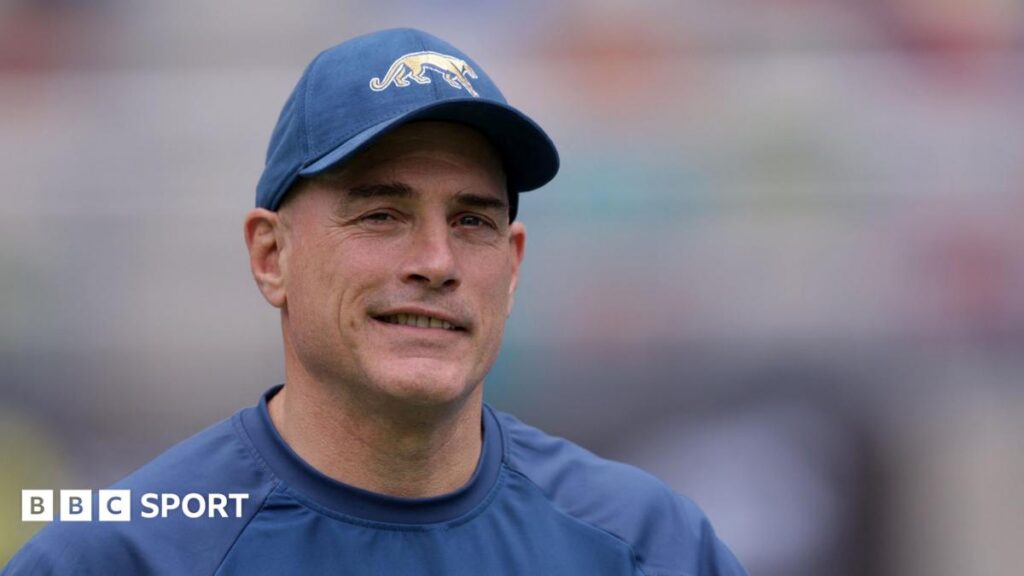
To play this video you need to enable JavaScript in your browser.This video can not be playedFigure caption, 'Chaos' & 'comedy refereering' as England beat ArgentinaByJosh LobleyBBC Sport journalistPublished12 minutes agoArgentina heach coach Felipe Contepomi walked out of his news conference after the 31-24 defeat by England in the Nations Championship.He said England's celebrations in the changing room next door showed a "lack of respect".Contepomi had asked an England representative to stop the noise of the music and celebrations.Argentina were denied a try by the television match official in the…
To play this video you need to enable JavaScript in your browser.This video can not be playedFigure caption, 'Chaos' & 'comedy refereering' as England beat ArgentinaByJosh LobleyBBC Sport journalistPublished12 minutes agoArgentina heach coach Felipe Contepomi walked out of his news conference after the 31-24 defeat by England in the Nations Championship.He said England's celebrations in the changing room next door showed a "lack of respect".Contepomi had asked an England representative to stop the noise of the music and celebrations.Argentina were denied a try by the television match official in the final play of a chaotic match in Santiago del Estero.England cruised to a 19-3 lead at half-time before Argentina, who wore replicas of the football team's 1986 World Cup kit, fought back in the second half.Four England players were shown yellow cards after the break, with former scrum-half Matt Dawson describing their discipline as "verging on comical".Argentina came from behind to beat England 2-1 in the football World Cup semi-finals on Wednesday.England are third in the northern hemisphere group in the Nations Championship.The competition resumes on 6 November and the finals will be held on 28 and 29 November.More from Nations Championship on BBC SportEngland's discipline 'verging on comical' – DawsonPublished9 hours agoArgentina wear 1986 kit replica against EnglandPublished13 hours agoNations Championship results, standings, fixtures & formatPublished10 hours agoTo play…
Disputes over on-field conduct and celebrations following a hard-fought international fixture are a recurring feature of high-stakes rugby and football matches alike, with opposing camps often disagreeing sharply on where the line lies between passionate celebration and disrespect toward a defeated opponent. Governing bodies overseeing international competitions generally leave such disputes to be resolved through post-match statements and media commentary rather than formal disciplinary proceedings, unless specific conduct breaches team codes of conduct set out by the tournament organisers.
Contentious officiating decisions, including video review outcomes that deny a team a try or goal, frequently become intertwined with broader complaints about a match’s overall spirit, particularly when the losing side feels a pivotal decision shaped the final result. Coaches on the losing side often use post-match press conferences to voice frustration on multiple fronts simultaneously, addressing both the specific officiating decisions and the broader conduct of their opponents.
International rugby has traditionally prided itself on a strong post-match culture of mutual respect between opposing teams, making public disputes of this kind relatively notable when they do occur, particularly between two established rivals with a long history of competitive fixtures. Governing bodies and tournament organisers typically monitor such disputes closely, mindful of the sport’s broader reputation for sportsmanship, though public spats of this kind rarely escalate beyond strongly worded press conference exchanges.
Fixtures between historic rivals often carry additional emotional weight regardless of the tournament stakes involved, with both playing squads and coaching staff acutely aware of the broader rivalry’s history when navigating the aftermath of a closely contested result.
Fixtures between England and Argentina across multiple sports have historically carried an intensity beyond the immediate stakes of any single match, rooted in a broader sporting rivalry that spans decades and multiple codes. Post-match controversies between the two nations, whether centred on officiating, conduct or comments made in press conferences, tend to receive outsized media attention precisely because of this established historical context.
Governing bodies overseeing fixtures between historic rivals often monitor the broader relationship between the two camps closely, mindful that individual flashpoints can occasionally colour future meetings between the same coaching staff or playing group. Both sets of supporters typically engage enthusiastically with post-match disputes of this kind, extending the conversation around a match well beyond the final whistle across sports media and fan forums alike.
Public disagreements of this kind between coaching staff from rival nations are generally resolved informally over time, often through direct conversation between federations or simply fading from prominence as both teams turn attention to upcoming fixtures. Tournament organisers occasionally intervene informally when tensions between camps threaten to overshadow the sporting competition itself, though formal disciplinary action in cases centred on post-match remarks remains relatively uncommon across most major rugby competitions.
Fans and former players commenting publicly on the exchange were generally split along national lines, with the debate itself becoming almost as widely discussed in sports media coverage as the match result that originally prompted it.
Broadcasters covering both nations’ rugby programmes have historically found that renewed rivalry storylines of this kind tend to boost viewership interest ahead of the next scheduled fixture between the two sides, whenever that meeting takes place.
Sports psychologists sometimes note that public disputes of this kind can inadvertently boost team morale on both sides, giving players an additional source of motivation heading into subsequent matches against the same opponent.
Both federations typically issue formal statements in the days following a public dispute of this kind, generally aiming to draw a line under the matter and refocus attention on upcoming fixtures rather than allowing the disagreement to escalate further.
Former players turned pundits often use post-match disputes like this as a talking point across multiple broadcast platforms, extending the story’s visibility well beyond the initial press conference exchange.
Originally reported by bbc.co.uk. Adapted for our readers with AI assistance.
Keep reading
News
Recall that Poland’s Minister Sikorski’s core claim is partially supported by the numbers, but the framing “quite quickly” and “without the U.S.” does not…
News
Thousands of young protesters in Delhi continue to demand education reforms and the resignation of Education Minister Dharmendra Pradhan after a police crackdown. The…
News
Facing a looming financial collapse, Thames Water’s main lenders have offered the UK government a ‘golden share’ and increased local authority involvement to avoid…
TAMFIS NIG LTD
Electrical and instrumentation engineering, bid preparation and consulting, IT and software.