
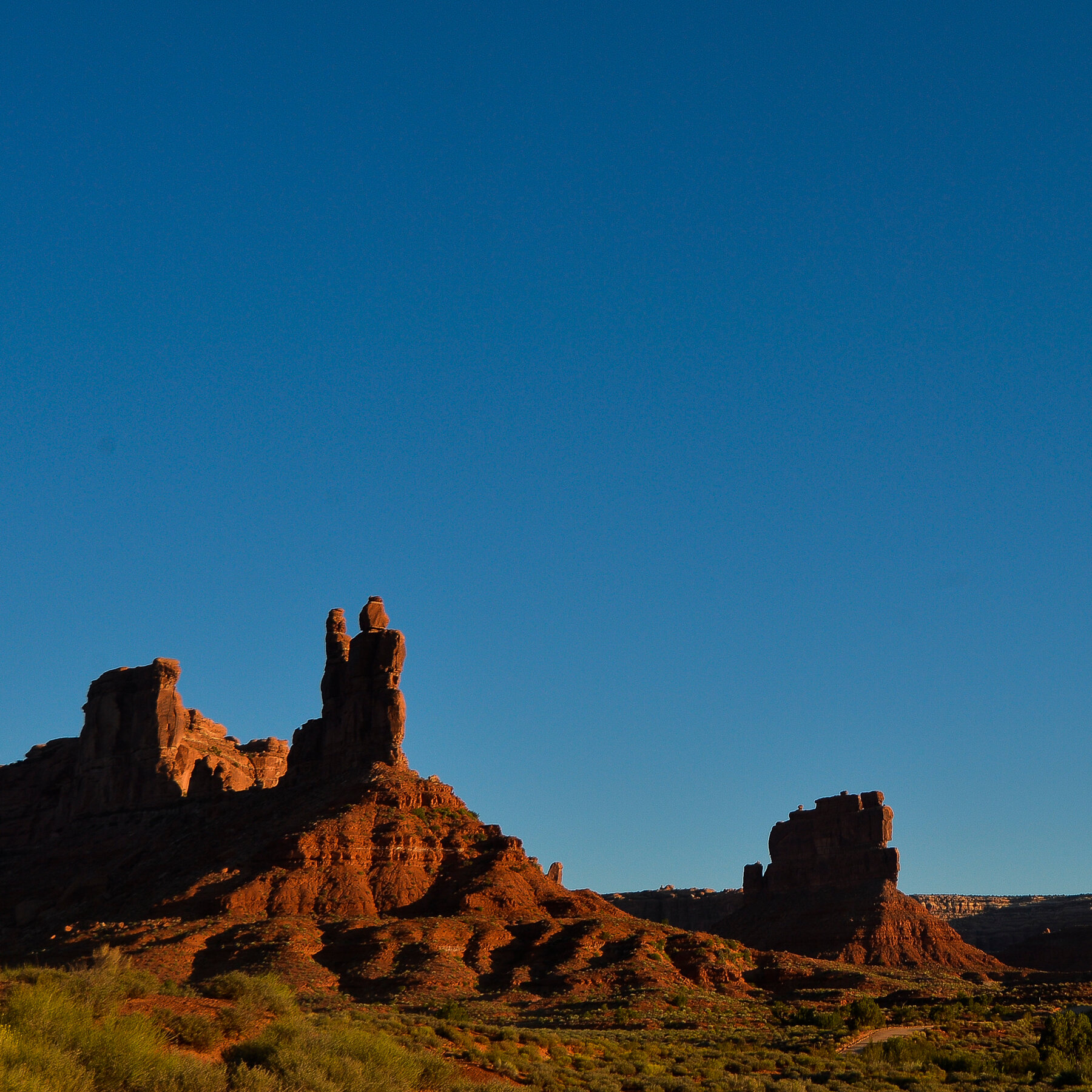
Bears Ears National Monument, a vast and culturally significant area in southeastern Utah, has long been at the crossroads of political, environmental, and indigenous interests. Former President Donald Trump claimed that recreational opportunities within Bears Ears were severely limited or nearly impossible due to monument restrictions. However, newly reviewed federal documents reveal that officials were aware that recreational activities were ongoing and feasible within the monument's boundaries. This article examines these revelations, the history and significance of Bears Ears, and the broader implications for public land management and policy.
Background: Bears Ears National Monument and Its Significance
Established in 2016 by President Barack Obama, Bears Ears National Monument covers nearly 1.35 million acres of public land in southeastern Utah. The area is renowned for its rich archaeological sites, diverse ecosystems, and profound cultural heritage tied to several Native American tribes. The monument was designated to protect these invaluable resources while allowing for traditional uses such as recreation, hunting, and grazing.
Bears Ears holds deep spiritual and historical significance for tribes including the Navajo, Hopi, Ute Mountain Ute, Ute Indian Tribe, and Zuni Pueblo. These tribes have long advocated for the monument’s protection, emphasizing its role as a cultural landscape containing thousands of archaeological sites and sacred locations. The designation aimed to preserve both natural and cultural resources, reflecting a holistic approach to land stewardship.
Trump’s Claims on Recreation in Bears Ears
During his administration, President Trump issued a proclamation that significantly reduced the size of Bears Ears National Monument by approximately 85%, citing concerns over land use restrictions and economic development. Central to his justification was the claim that recreational activities within the monument were 'virtually impossible,' suggesting that the monument designation hindered public access and enjoyment.
This narrative was part of a broader effort to promote resource extraction, economic growth, and expanded recreational use outside the monument’s reduced boundaries. The administration argued that scaling back protections would open up opportunities for off-road vehicle use, mining, and other activities purportedly restricted under the monument status.
New Evidence Contradicts the Administration’s Narrative
Documents reviewed by The New York Times, including internal communications, management plans, and reports from the National Park Service and Bureau of Land Management, reveal that federal officials were well aware that recreational activities within Bears Ears were ongoing and feasible. These activities included hiking, camping, off-road vehicle use, and other forms of outdoor recreation.
Contrary to the administration’s portrayal, the documents show that monument managers had developed strategies to balance recreational use with conservation and cultural preservation goals. Officials acknowledged challenges related to the monument’s vast size and cultural sensitivity but did not characterize recreation as 'virtually impossible.' Instead, they emphasized collaborative management efforts involving tribal partners and local stakeholders to ensure sustainable and respectful use of the land.
These findings highlight a disconnect between the political rhetoric used to justify the monument’s reduction and the realities of land management on the ground. The evidence suggests that recreation was not only possible but was actively supported within the monument’s framework.
Implications for Public Land Management and Policy
The revelation that recreational use was feasible within Bears Ears challenges the primary rationale for its drastic reduction and raises questions about the transparency and accuracy of information used in land management decisions. Public lands like Bears Ears are complex spaces where conservation, recreation, indigenous rights, and resource development interests intersect.
Accurate and comprehensive information is essential for policymakers to balance these competing interests effectively. The controversy surrounding Bears Ears underscores the importance of involving tribal nations and local communities in decision-making processes, as their traditional knowledge and cultural priorities can inform more nuanced and effective management approaches.
Furthermore, this case exemplifies the potential consequences when political narratives overshadow factual evidence. Such disconnects can undermine public trust in government institutions and conservation efforts, making it more difficult to achieve sustainable stewardship of public lands.
The Bears Ears situation also highlights the broader national debate over the future of public lands, particularly in the Western United States, where pressures from energy development, recreation, and cultural preservation often collide.
Current Status and Future Outlook for Bears Ears
Following multiple legal challenges and ongoing advocacy, the status of Bears Ears National Monument remains a contentious and evolving issue. Efforts to restore the monument’s original boundaries and protections have been proposed by tribal groups, environmental organizations, and outdoor recreation advocates.
The newly uncovered documents may strengthen arguments in favor of restoration by demonstrating that recreation and conservation are not mutually exclusive within the monument. They suggest that effective management can accommodate diverse uses while protecting cultural and natural resources.
As climate change intensifies and public demand for outdoor recreation grows, Bears Ears will likely serve as a critical case study in balancing preservation with sustainable use. The monument’s future will depend on continued collaboration among federal agencies, tribal nations, local communities, and stakeholders committed to protecting this unique landscape for generations to come.
What this means
The newly uncovered documents regarding Bears Ears National Monument illuminate a significant gap between political rhetoric and the realities of land management. While former President Trump asserted that recreational opportunities were virtually nonexistent within the monument, evidence shows that federal officials recognized and actively managed ongoing recreational use. This discrepancy calls into question the justification for the monument's reduction and underscores the importance of transparent, evidence-based policymaking in public land stewardship. As Bears Ears continues to be a focal point for conservation and cultural preservation, integrating indigenous perspectives and balancing diverse land uses will be crucial. Ultimately, the case of Bears Ears exemplifies the challenges and opportunities inherent in managing America’s public lands to serve both present and future generations.
Source: Documents Undercut Trump’s Claims About Bears Ears National Monument via www.nytimes.com.
This article was curated with AI assistance and reviewed according to Tamfis editorial settings.