Environment
UK Government Considers Ban on Disposable Barbecues Amid Rising Wildfire Risks
As England and Wales face unprecedented drought conditions coupled with soaring temperatures, the risk o...
TAMFIS NIG LTDRC 8067447CAC ACTIVEFinima, Bonny Island, Rivers State

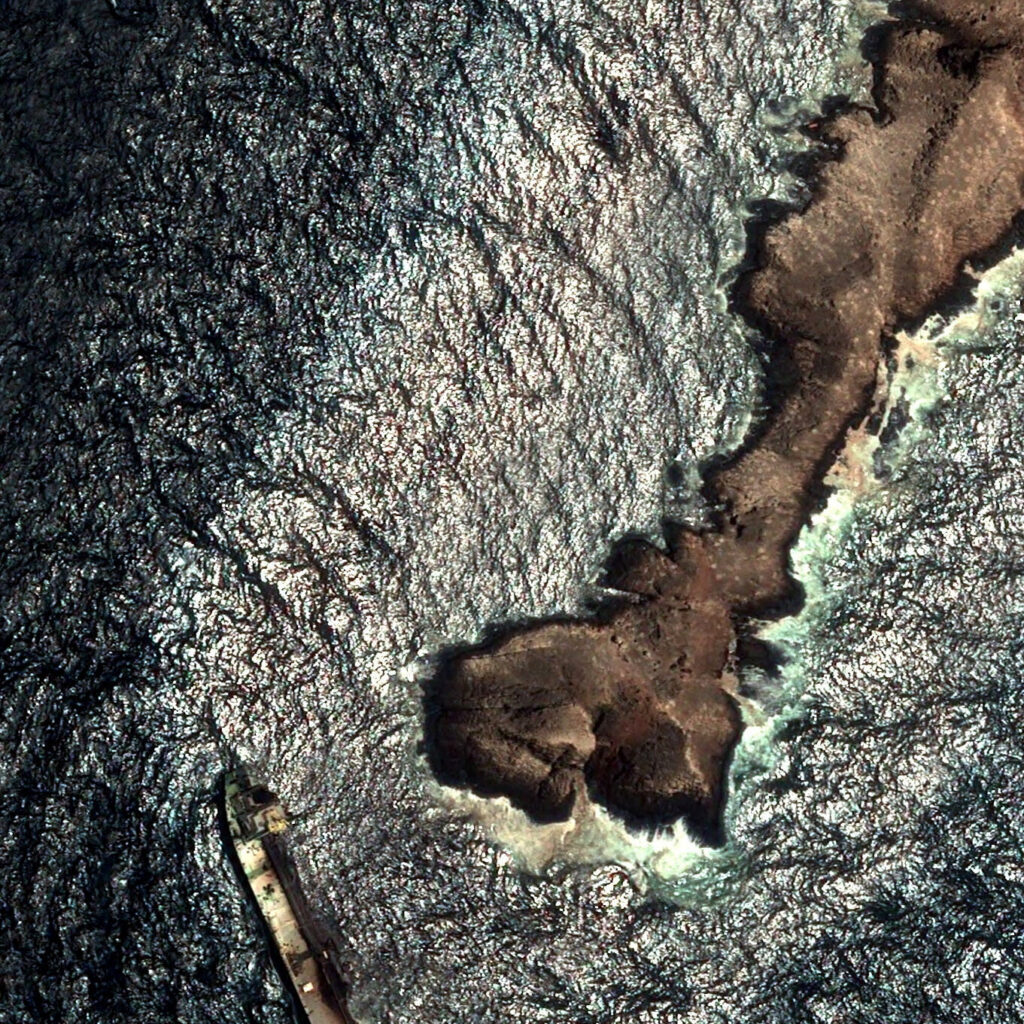
The Arabian Sea, a critical marine corridor near the Strait of Hormuz, has recently suffered a significant environmental setback following the grounding of a Russian crude oil tanker bound for India. The resulting spill threatens vital habitats for seabirds and marine turtles, compounding the ecological damage already prevalent in this geopolitically sensitive region. This article explores the implications of the spill, the vulnerability of the local ecosystems, and the broader context of maritime environmental risks in the area.
A Russian crude oil tanker transporting fuel to India ran aground in the Arabian Sea, leading to a substantial oil spill. While the exact volume of the spill remains under assessment, early reports indicate a significant release of crude oil into the fragile marine environment. The spill’s proximity to the Strait of Hormuz—a strategic chokepoint for global oil transportation—raises concerns about potential disruptions to shipping lanes and severe environmental fallout.
The tanker’s grounding is particularly troubling given the region’s history of maritime incidents involving oil tankers and related infrastructure. The Strait of Hormuz has witnessed numerous attacks on oil facilities and vessels, often linked to geopolitical tensions, which have previously resulted in oil leaks and environmental damage. This spill adds to an already troubling pattern of ecological degradation caused by accidents and deliberate attacks, compounding the risks to marine life and coastal communities.
The Arabian Sea supports a rich diversity of marine life, including critical breeding and feeding grounds for seabirds and marine turtles. These species depend on the coastal and offshore ecosystems for survival, making them especially vulnerable to oil contamination. The spill threatens to disrupt these habitats at a time when several species are in sensitive stages of their life cycles.
Oil spills have devastating effects on seabirds, as oil coats their feathers, impairing their ability to fly, regulate body temperature, and find food. This can lead to hypothermia, starvation, and reduced reproductive success. Similarly, marine turtles are at risk as oil contaminates nesting beaches and feeding areas. Exposure to oil can reduce hatchling survival rates and cause long-term population declines, particularly for endangered species that already face numerous threats.
Environmental experts warn that the timing of this spill is especially critical, coinciding with nesting seasons for several turtle species and migratory periods for seabirds. The contamination could disrupt breeding cycles, food chains, and the overall health of these populations, potentially causing cascading effects throughout the marine ecosystem.
The Strait of Hormuz is one of the world’s most important maritime passages, facilitating the transit of a significant portion of global oil exports. Its strategic importance makes it a focal point for geopolitical tensions and conflicts, which have escalated in recent years.
This region has experienced multiple attacks on oil tankers and facilities, increasing the risk of environmental disasters. The combination of high maritime traffic, geopolitical instability, and aging oil infrastructure creates a precarious environment for marine safety and ecological protection. The spill from the grounded tanker adds to the cumulative environmental damage from previous incidents, underscoring the fragility of the region’s marine ecosystems.
Given the Strait’s critical role in global energy supply chains, any disruption or environmental incident can have far-reaching economic and ecological consequences. This incident highlights the urgent need for enhanced maritime security measures and ecological safeguards to prevent future disasters.
In response to the spill, authorities and environmental organizations have mobilized quickly to contain the damage and mitigate its impact. Efforts include deploying containment booms to limit the spread of oil, initiating cleanup operations, and conducting wildlife monitoring to assess the health of affected species.
International cooperation is playing a crucial role in these efforts, as the spill’s consequences cross national boundaries. India, Oman, and other neighboring countries are coordinating their responses to protect their coastal environments, fisheries, and marine biodiversity. This collaboration is essential given the transboundary nature of marine pollution and the shared reliance on the Arabian Sea’s resources.
Despite these coordinated efforts, challenges remain due to the spill’s scale, the complex ocean currents in the region, and the limited availability of specialized cleanup resources. Long-term monitoring and rehabilitation programs will be necessary to fully assess the ecological damage and support the recovery of affected ecosystems.
This incident underscores the vulnerability of critical marine habitats to oil-related disasters, especially in geopolitically sensitive regions like the Strait of Hormuz. It calls attention to the urgent need for stricter regulations governing tanker operations, improved emergency response capabilities, and greater investment in alternative energy sources to reduce reliance on fossil fuel transportation through high-risk maritime corridors.
The spill also highlights the importance of strengthening international frameworks for environmental protection in shared waters. Enhanced cooperation between bordering nations can improve preparedness, facilitate rapid response, and reduce the likelihood of future ecological crises.
Moreover, the incident emphasizes the growing imperative to balance economic interests with environmental stewardship. In regions where biodiversity hotspots and global trade routes intersect, sustainable management of marine resources is essential to safeguard both ecological integrity and economic stability.
The recent oil spill in the Arabian Sea serves as a stark reminder of the environmental risks associated with maritime oil transport in geopolitically tense regions. The threat to vulnerable bird and turtle populations adds urgency to calls for improved safety measures, robust environmental protections, and collaborative international responses. Protecting the delicate ecosystems of the Arabian Sea is not only vital for biodiversity but also for the sustainable economic and geopolitical stability of the region. Moving forward, a balanced approach that prioritizes both environmental and economic interests will be essential to prevent similar disasters and preserve this critical marine habitat.
Originally reported by nytimes.com. Adapted for our readers with AI assistance.
Keep reading
Environment
As England and Wales face unprecedented drought conditions coupled with soaring temperatures, the risk o...
Environment
England is grappling with a severe drought crisis as more than two-thirds of the country has been declar...
Environment
The United Kingdom has experienced an unusually hot and dry summer in 2026, with consecutive heatwaves p...
TAMFIS NIG LTD
Electrical and instrumentation engineering, bid preparation and consulting, IT and software.