Environment
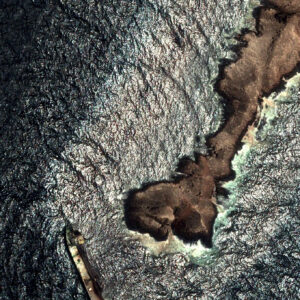
Environmental Crisis in the Arabian Sea: Oil Spill Threatens Vital Bird and Turtle Habitats
The Arabian Sea, a critical marine corridor near the Strait of Hormuz, has recently suffered a significa...
TAMFIS NIG LTDRC 8067447CAC ACTIVEFinima, Bonny Island, Rivers State


England is grappling with a severe drought crisis as more than two-thirds of the country has been declared in drought following an exceptionally dry and hot summer. The driest July since records began in 1836 has intensified water shortages, affected farming yields, and heightened wildfire risks. This article provides a detailed overview of the drought situation, its implications, and the broader context of climate change influencing these extreme weather patterns.
As of August 2026, 71.3% of England is officially in drought, according to the National Drought Group, which includes regulators, government officials, water companies, and agricultural bodies. This designation follows the driest July on record since 1836, with some regions experiencing unprecedented dryness.
New areas such as the East Midlands, Lincolnshire, Northamptonshire, Kent, East Sussex, and the Solent and South Downs have recently been added to the drought list. Combined with previous declarations, this means over 45 million people in England now live in drought-affected areas, with more than 27 million subject to water use restrictions.
Yorkshire and north-east England remain just short of drought status, classified under 'prolonged dry weather', the stage immediately preceding drought. Notably, no part of England currently enjoys normal water status.
In contrast, Scotland and Northern Ireland have so far avoided drought conditions, with Scotland monitoring water scarcity but benefiting from recent rainfall. However, some eastern parts of Scotland remain under moderate to significant water scarcity.
The drought has placed immense pressure on England's water resources. Only 14% of rivers are at normal levels, while 22% are exceptionally low, including major waterways like the River Avon in south-west England and the River Ely Ouse in eastern England. Reservoir levels have also dropped significantly, with five reservoirs classified as exceptionally low.
These low water levels are causing navigation difficulties on rivers such as the Thames, Lark, and Ouse. Aquatic life is also under threat; warmer water holds less dissolved oxygen, putting fish under severe stress, according to Mark Owen, Head of Fisheries at the Angling Trust.
The dry conditions have led to widespread drying of parks and green spaces, diminishing their recreational and ecological value. Additionally, the risk of wildfires has increased, exemplified by a large fire in the New Forest covering an area equivalent to 140 football pitches (247 acres), with dozens of firefighters currently battling the blaze.
The National Drought Group has identified most of England as experiencing a 'flash drought', a rapidly developing condition caused by a combination of very low rainfall and higher temperatures. This accelerates soil drying and exacerbates environmental stress.
Farmers across England are experiencing significant setbacks due to the drought. The earliest harvests in two decades have yielded poor results, with wheat and oat outputs described as 'very, very poor' by the National Farmers Union (NFU). Livestock farmers have had to resort to using winter feed rations prematurely because grass growth has stalled.
The NFU has warned that continued dry weather could lead to food shortages, with vegetables expected to become smaller and more expensive. These impacts underscore the vulnerability of food production systems to prolonged dry spells.
Water Minister Emma Hardy has stated that the government is working to make it easier for farmers to build on-site irrigation reservoirs, which capture and hold water to help mitigate shortages. This initiative aims to improve resilience in agricultural water management amid increasingly erratic weather.
These agricultural impacts highlight the urgent need for adaptive strategies to secure food supplies and support farmers facing the challenges of a changing climate.
The ongoing heatwave, the fifth of the year, has prompted the UK Health Security Agency to issue amber heat health alerts across most of England, excluding the North East. These alerts indicate significant impacts on health and social care services due to high temperatures between Tuesday and Friday.
Prolonged heat and dryness exacerbate health risks, particularly for vulnerable populations such as the elderly and those with pre-existing conditions. Heat stress combined with water scarcity poses challenges for maintaining public health and safety.
Authorities are urging the public to conserve water and take precautions during the heatwave, including staying hydrated and avoiding strenuous activity during peak heat hours, to mitigate these health risks.
While no single drought or heatwave can be solely attributed to climate change, the current patterns align with scientific projections of hotter, drier summers becoming more frequent in the UK. Rising average temperatures increase the likelihood and intensity of heatwaves and droughts by accelerating evaporation and drying soils faster.
This year, England has experienced 34 days with temperatures reaching 30°C or higher, including 13 consecutive days in July. Such extremes are consistent with the effects of human-induced climate change, according to the Met Office.
Additionally, the developing strong El Niño event is expected to amplify global temperature rises, further influencing weather patterns worldwide, including in the UK. The World Meteorological Organisation notes this event will 'dominate global climate patterns' in the coming months.
Experts like Emma Pinchbeck, chief executive of the Climate Change Committee, warn that the UK is not adequately prepared for these prolonged dry spells, highlighting vulnerabilities in infrastructure, agriculture, and economic sectors. She stresses the need for urgent adaptation and resilience-building to cope with the changing climate.
England’s current drought crisis underscores the urgent need for comprehensive water management and climate adaptation strategies. The unprecedented dryness and heat are not isolated events but part of a broader pattern driven by climate change, which is reshaping the country’s weather and environmental conditions. Addressing these challenges requires coordinated efforts across government, industry, and communities to conserve water, support farmers, protect ecosystems, and prepare health systems for extreme heat. As the UK faces more frequent and intense droughts, proactive planning and resilience-building will be essential to safeguard water security and public well-being in the years ahead.
Originally reported by bbc.co.uk. Adapted for our readers with AI assistance.
Keep reading
Environment
The Arabian Sea, a critical marine corridor near the Strait of Hormuz, has recently suffered a significa...
Environment
As England and Wales face unprecedented drought conditions coupled with soaring temperatures, the risk o...
Environment
The United Kingdom has experienced an unusually hot and dry summer in 2026, with consecutive heatwaves p...
TAMFIS NIG LTD
Electrical and instrumentation engineering, bid preparation and consulting, IT and software.