
Environment
Environmental Crisis in the Arabian Sea: Oil Spill Threatens Vital Bird and Turtle Habitats
The Arabian Sea, a critical marine corridor near the Strait of Hormuz, has recently suffered a significa...
TAMFIS NIG LTDRC 8067447CAC ACTIVEFinima, Bonny Island, Rivers State

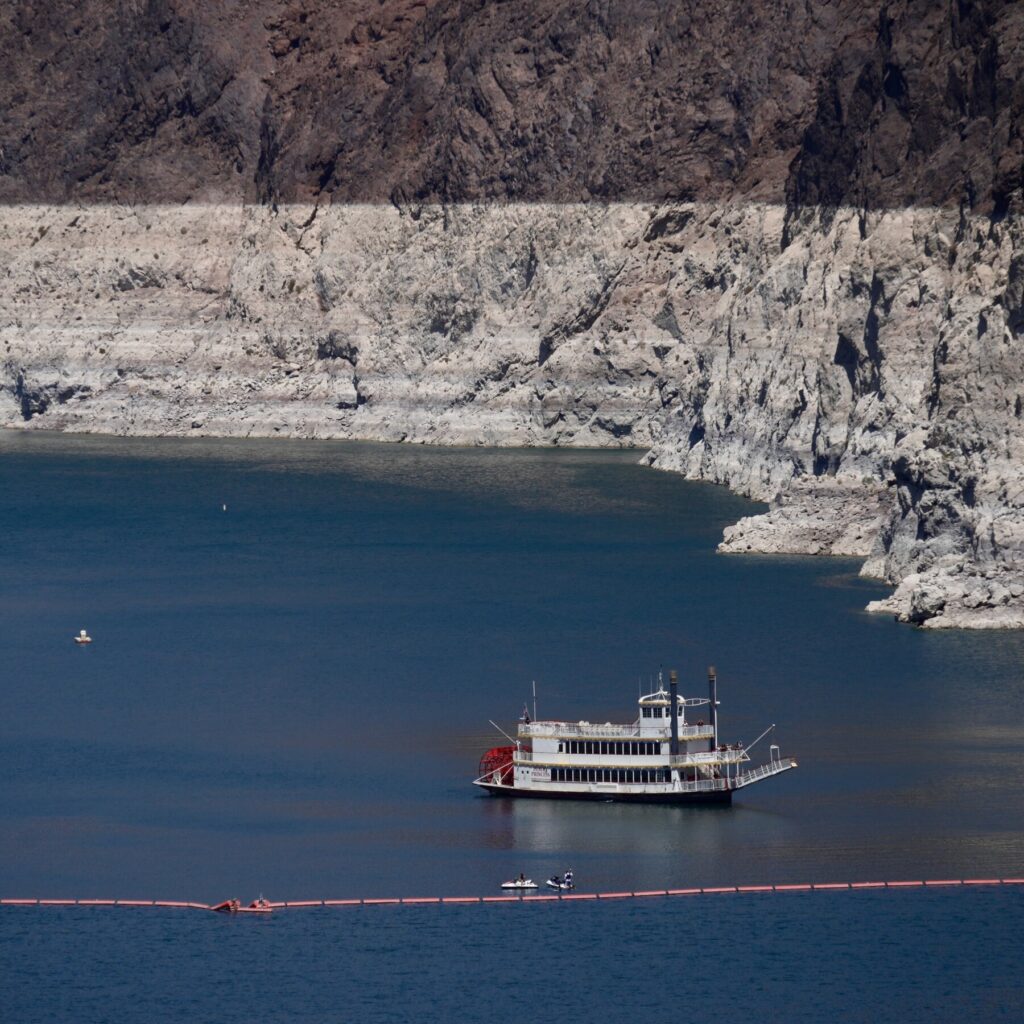
Lake Mead, created by the Hoover Dam on the Colorado River, has long been a critical water and power source for the southwestern United States. Recent measurements reveal that the reservoir’s water levels have dropped to historic lows, a situation exacerbated by prolonged drought and climate change. This alarming trend signals environmental stress and poses significant risks to water security and electricity production for millions of people across several states. Understanding the causes, consequences, and potential responses to Lake Mead’s dwindling water levels is essential for stakeholders and residents in the region.
Lake Mead is the largest reservoir in the United States, formed by the Hoover Dam on the Colorado River. It serves as a vital water source for nearly 25 million people across Nevada, Arizona, California, and parts of Mexico. Beyond supplying drinking water, Lake Mead supports agricultural irrigation and sustains ecosystems in the region, making it indispensable to the Southwest’s environmental and economic health.
In addition to water storage, the Hoover Dam harnesses the reservoir’s flow to generate hydroelectric power. This electricity is crucial for residential, commercial, and industrial use across multiple states. The dam’s power output helps stabilize the regional grid and reduces reliance on fossil fuels, making Lake Mead a linchpin in the Southwest’s infrastructure and energy systems.
Recent data indicates that Lake Mead’s water levels have fallen to the lowest point since its creation in the 1930s. Several factors contribute to this decline, including prolonged drought conditions intensified by climate change, increased water demand due to population growth, and the over-allocation of the Colorado River’s water among basin states.
Climate scientists highlight reduced snowpack in the Rocky Mountains—the primary source of the Colorado River’s flow—as a critical driver of diminished inflows to the reservoir. Warmer temperatures accelerate snowmelt and evaporation, further reducing water availability. These changing climatic patterns have led to a sustained decrease in the river’s volume feeding Lake Mead.
Moreover, water management policies established decades ago allocated more water rights than the river can sustainably provide, especially during dry years. This overuse has strained the reservoir’s capacity, leading to a steady decline in water levels over the past two decades. The combination of natural and human factors has created a complex and challenging water scarcity scenario.
The shrinking reservoir directly threatens water availability for millions of residents and farmers. Urban areas relying on Lake Mead face potential water restrictions that could affect daily life, economic activities, and public health. Reduced water supply may lead to mandatory conservation measures, impacting households and businesses alike.
Agricultural sectors, which consume a significant portion of the Colorado River’s water, may experience reduced irrigation supplies. This could lead to lower crop yields, increased costs for farmers, and higher food prices for consumers. The agricultural economy in the Southwest is tightly linked to the river’s water, making these impacts far-reaching.
Communities downstream, including those in Mexico, also depend on the river’s flow. Reduced water deliveries could strain international relations and complicate efforts to equitably share this vital resource. The situation underscores the need for cooperative water management across borders to address shared challenges.
The Hoover Dam’s hydroelectric turbines rely on sufficient water levels to generate electricity efficiently. As Lake Mead’s water drops, the dam’s power output diminishes, potentially leading to energy shortages or increased reliance on fossil fuels. This threatens the energy security of millions who depend on this clean power source.
Reduced hydroelectric capacity could increase electricity costs and contribute to higher greenhouse gas emissions if alternative power sources are less environmentally friendly. The loss of renewable energy generation at Hoover Dam highlights the interconnectedness of water and energy systems in the region.
This situation underscores the urgent need for integrated resource management strategies that consider both water availability and energy demands to ensure sustainable supplies for the future.
In response to the declining water levels, federal and state agencies have initiated conservation measures, including water use restrictions and incentives for efficiency improvements. These efforts aim to reduce demand and extend the reservoir’s capacity during drought periods.
Long-term solutions may involve renegotiating water allocation agreements to reflect current hydrological realities. This includes promoting water reuse, investing in alternative sources such as desalination, and encouraging sustainable agricultural practices to reduce water consumption.
Investments in infrastructure upgrades, such as improving reservoir management, enhancing water delivery systems, and reducing evaporation losses through technological innovation, are also under consideration. These measures could help optimize the existing water supply and mitigate further declines.
Public awareness and cooperation will be essential in implementing these strategies. Community engagement, education, and stakeholder collaboration can foster a culture of conservation and resilience, ensuring sustainable water and energy supplies for the future.
Lake Mead’s historic low water levels present a multifaceted challenge that intertwines environmental, economic, and social dimensions. The reservoir’s decline is a stark indicator of broader climate and resource management issues confronting the American Southwest. Ensuring the sustainability of water and power supplies demands proactive, collaborative approaches that balance human needs with ecological realities. While the situation is urgent, it also offers an opportunity to innovate and strengthen resilience in the face of changing conditions, emphasizing the importance of integrated water and energy management for the region’s future.
Originally reported by nytimes.com. Adapted for our readers with AI assistance.
Keep reading
Environment
The Arabian Sea, a critical marine corridor near the Strait of Hormuz, has recently suffered a significa...
Environment
As England and Wales face unprecedented drought conditions coupled with soaring temperatures, the risk o...
Environment
England is grappling with a severe drought crisis as more than two-thirds of the country has been declar...
TAMFIS NIG LTD
Electrical and instrumentation engineering, bid preparation and consulting, IT and software.