
Educational Resources
Timings for govt schools, colleges across Sindh reduced by an hour
In a move underscoring the intersection of education policy and economic reality, the Sindh government h...
TAMFIS NIG LTDRC 8067447CAC ACTIVEFinima, Bonny Island, Rivers State

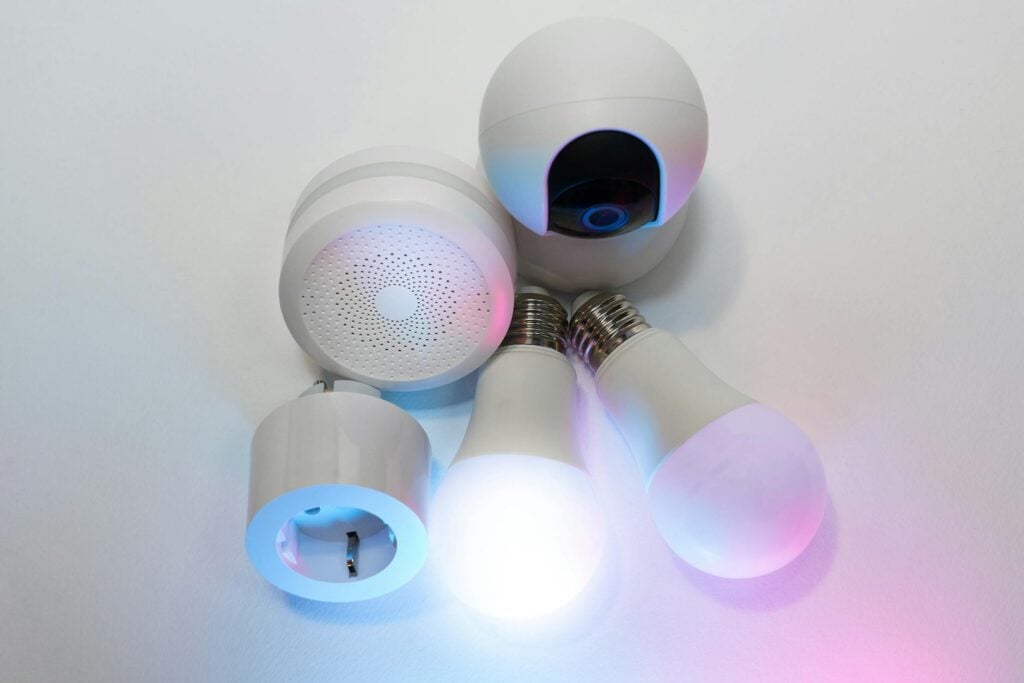
Electricity. It powers our lives, from the comforting glow of a bedside lamp to the whirring of our refrigerators and the endless stream of information from our devices. Yet, for many, the inner workings of this ubiquitous force remain a complete mystery, often shrouded in a veil of apprehension. But what if understanding the basics of how electricity works in your home wasn’t so daunting? What if you could demystify those wires, outlets, and circuit breakers, not just to satisfy your curiosity, but to empower you to make safer, smarter decisions about your home’s electrical systems?
This comprehensive guide is designed specifically for homeowners and beginners, stripping away the jargon and presenting fundamental electrical concepts in an easy-to-understand manner. We’ll cover everything from the invisible forces of voltage and current to the practical steps of using a multimeter and even how to troubleshoot common electrical hiccups. Our goal is to equip you with the foundational knowledge you need to appreciate the power at your fingertips and to navigate your home’s electrical landscape with confidence and, most importantly, safety.
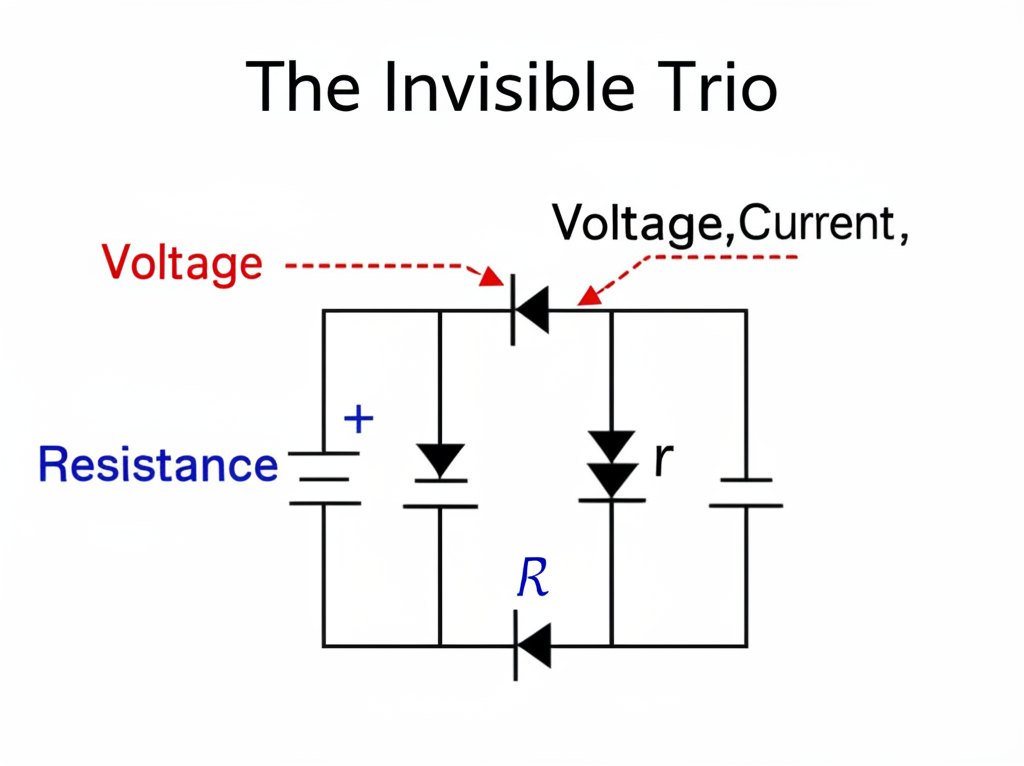
At the heart of all electrical phenomena are three fundamental quantities: voltage, current, and resistance. Think of electricity like water flowing through a pipe.
Voltage (V), often referred to as electrical potential difference or electromotive force (EMF), is the “push” or “pressure” that gets the electricity moving. In our water analogy, voltage is akin to the water pressure in a pipe. The higher the voltage, the greater the “push.” In your home, standard wall outlets typically provide 230 volts (in Nigeria), which is the electrical pressure driving the current to your appliances. It’s measured in Volts (V).
Current (I) is the flow of electrical charge. Going back to our water analogy, current is the actual volume of water flowing through the pipe per unit of time. In electrical terms, it’s the number of electrons passing a given point in a circuit per second. The more electrons flowing, the higher the current. Appliances draw different amounts of current depending on their power requirements. A light bulb draws less current than a high-powered electric kettle. Current is measured in Amperes (A), often shortened to “amps.”
Resistance (R) is the opposition to the flow of current. Every material has some degree of resistance, which impedes the free flow of electrons. In our water analogy, resistance is like a narrow section in the pipe or a partially closed valve – it restricts the flow of water. Materials that offer very little resistance, like copper wires, are called conductors. Materials that offer very high resistance, like rubber or plastic, are called insulators and are used to prevent current from flowing where it shouldn’t. Resistance is measured in Ohms (Ω).
Understanding these three concepts is crucial because they are interconnected, as famously described by Ohm’s Law.
Just as Isaac Newton described the laws of motion, Georg Ohm, a German physicist, articulated the fundamental relationship between voltage, current, and resistance. This relationship is known as Ohm’s Law, and it’s expressed by a simple yet powerful equation:V=I×R
Where:
This formula tells us that if you increase the voltage, the current will increase (assuming resistance stays constant). If you increase the resistance, the current will decrease (assuming voltage stays constant).
Ohm’s Law can be rearranged to solve for any of the three variables:
Let’s do a quick example. If your household hair dryer has a resistance of 20 Ohms and operates on a 230V supply, the current it draws would be: I=20Ω230V=11.5A
This simple calculation is the bedrock of understanding how appliances draw power and why certain circuits are designed for specific loads.
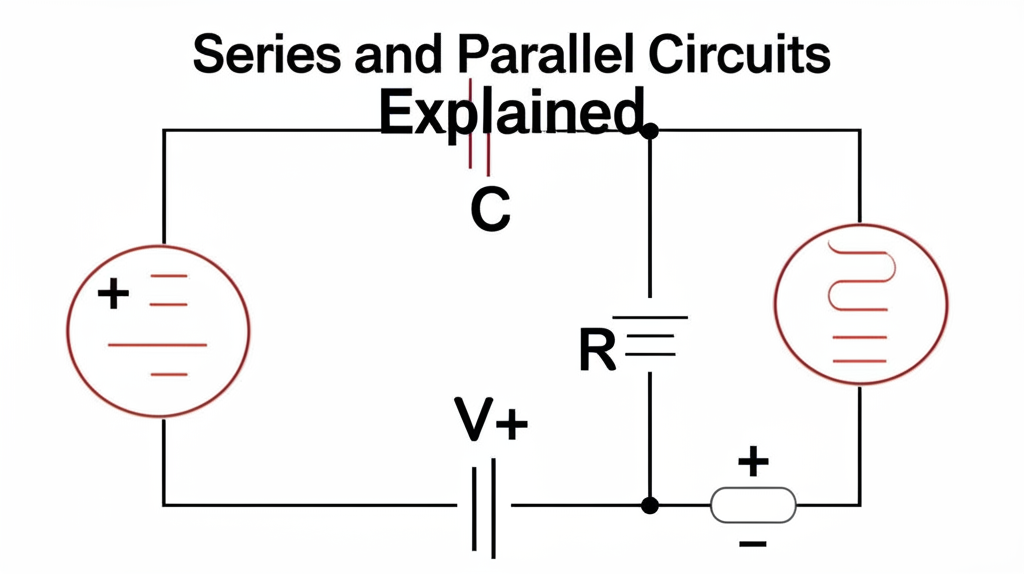
Electrical components in a circuit can be connected in one of two fundamental ways: series or parallel. Understanding the difference is key to comprehending how your home’s electrical system is designed.
In a series circuit, components are connected end-to-end, forming a single path for the current to flow. Imagine a string of old Christmas lights where if one bulb goes out, the entire string goes dark. That’s a series circuit. The total resistance in a series circuit is the sum of individual resistances, and the current is the same through every component. While simple, series circuits are rarely used for primary household wiring because if one appliance fails, everything else on that circuit stops working.
In a parallel circuit, components are connected across the same two points, creating multiple paths for the current to flow. This is how most of your home’s electrical outlets and lights are wired. If one light bulb in a parallel circuit burns out, the others remain lit because they each have their own independent path to the power source. The voltage across each component in a parallel circuit is the same, and the total current is divided among the branches. This configuration provides reliability and ensures that each appliance receives the full household voltage.
A multimeter is an indispensable tool for anyone wanting to delve deeper into basic electrical troubleshooting. As its name suggests, it can measure multiple electrical properties: voltage, resistance, and continuity (whether a circuit is complete).
Here’s a basic overview of how to use it for common measurements:
Always consult your multimeter’s specific manual for detailed instructions and safety precautions.
Electricity, while incredibly useful, can be extremely dangerous if not handled with respect. Electrical shocks, fires, and even fatalities can occur. Prioritizing safety is non-negotiable.
Here are fundamental safety rules for every homeowner:
Your home’s electrical system is a complex network, but at its core, most residential wiring in Nigeria is single-phase. This means that electricity is delivered using typically two or three wires:
These wires are encased in various types of cables and run through conduits or within walls, connecting outlets, switches, and light fixtures. The entire system is fed from your main electrical panel, where circuit breakers protect individual circuits.
While complex electrical work should always be left to a qualified electrician, installing a simple light switch or replacing a damaged socket can be a manageable DIY task for the careful beginner, provided you follow strict safety protocols.
Crucial First Step: ALWAYS turn off the power to the circuit at the main breaker panel and verify it’s off with a non-contact voltage tester before touching any wires.
Basic Steps (General Guide – specific instructions may vary):
If you are unsure at any point, STOP and call a qualified electrician. Your safety is paramount.
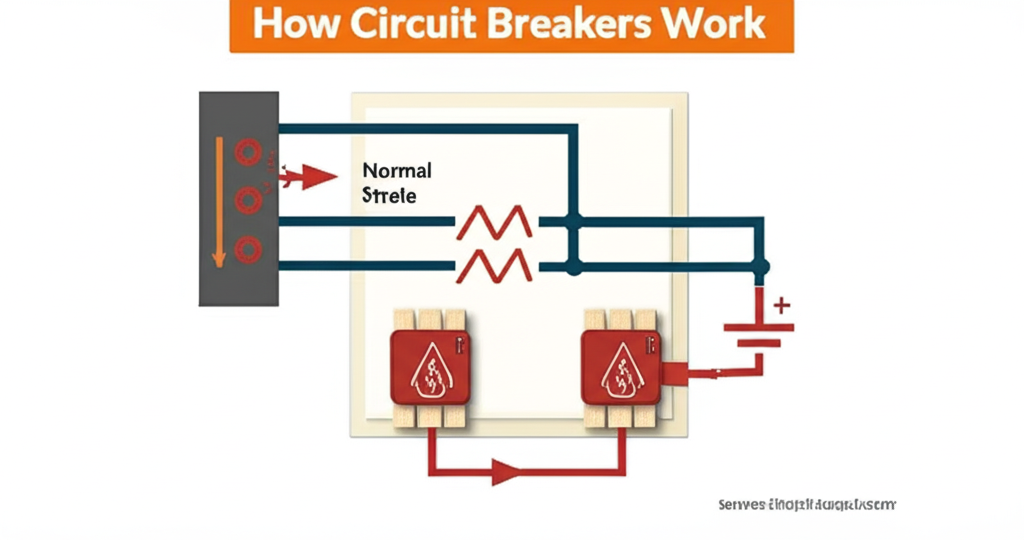
Imagine a sudden surge of power, or an appliance drawing too much current – without protection, this could lead to overheating wires and a serious fire. This is where circuit breakers come in.
Located in your main electrical panel, circuit breakers are essentially safety switches that automatically “trip” or shut off the flow of electricity to a circuit if they detect an overload or a short circuit. They act as guardians, protecting your home’s wiring from damage and preventing electrical fires.
When a circuit breaker trips, it typically means one of two things:
To reset a tripped breaker, first identify and address the cause (unplug overloaded appliances, check for obvious wiring issues). Then, firmly push the breaker handle all the way to the “OFF” position, and then back to the “ON” position. If it immediately trips again, there’s an underlying problem that requires professional attention.
While complex issues demand professional help, many minor electrical annoyances can be resolved with basic troubleshooting skills.
Remember, if you are ever unsure or uncomfortable with any electrical troubleshooting, always err on the side of caution and call a qualified electrician.
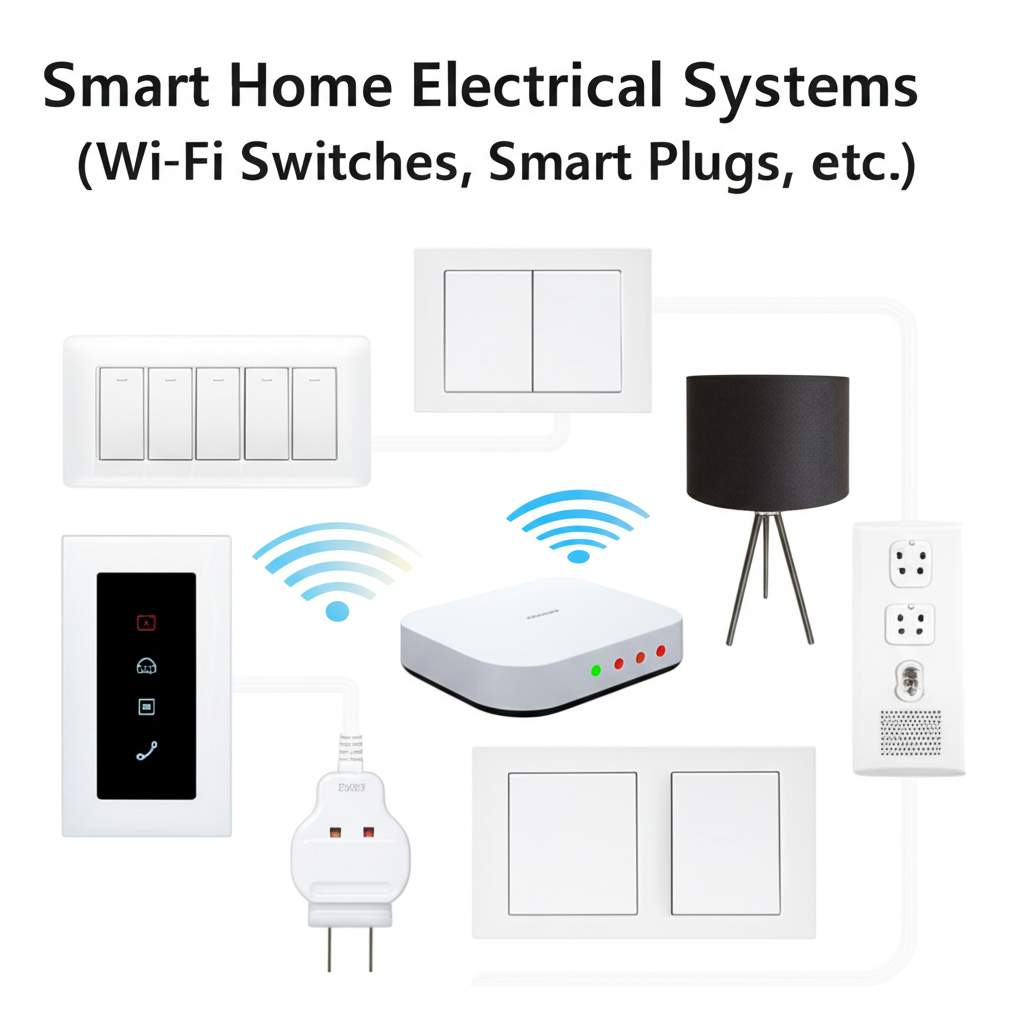
The digital age has brought remarkable convenience to home electricity. Smart home electrical systems leverage Wi-Fi, Bluetooth, and other wireless technologies to give you unprecedented control over your lights, appliances, and even security systems, often from your smartphone.
Installing smart plugs is as simple as plugging them in and configuring them via an app. Installing Wi-Fi switches typically involves replacing an existing switch, requiring basic electrical knowledge and adherence to the same safety precautions as installing a regular switch (power off!).
These innovations not only add convenience but can also contribute to energy efficiency by allowing for precise control and scheduling of electrical loads.
Understanding the basic concepts of electricity isn’t just about technical knowledge; it’s about empowering yourself as a homeowner. By grasping the fundamentals of voltage, current, and resistance, familiarizing yourself with series and parallel circuits, and learning how to safely use a multimeter, you’ve taken significant steps toward becoming a more informed and capable resident.
Remember that safety is always the paramount concern. Never take risks with electricity. However, armed with this foundational knowledge, you can now confidently approach common electrical situations, troubleshoot minor issues, and appreciate the intricate yet elegant system that brings power and convenience to your daily life. This is just the beginning of your electrical journey – a journey that, with respect and continued learning, will make you a more capable and secure homeowner.
Keep reading
Educational Resources
In a move underscoring the intersection of education policy and economic reality, the Sindh government h...
Educational Resources
All eyes are on the FIBA World Cup, but we can't help but think about what's to come in the WNBA....
Educational Resources
Portugal finds itself grappling with a multifaceted crisis as severe storms, known as Storm Kristin and ...
TAMFIS NIG LTD
Electrical and instrumentation engineering, bid preparation and consulting, IT and software.