Educational Resources
Timings for govt schools, colleges across Sindh reduced by an hour
In a move underscoring the intersection of education policy and economic reality, the Sindh government h...
TAMFIS NIG LTDRC 8067447CAC ACTIVEFinima, Bonny Island, Rivers State

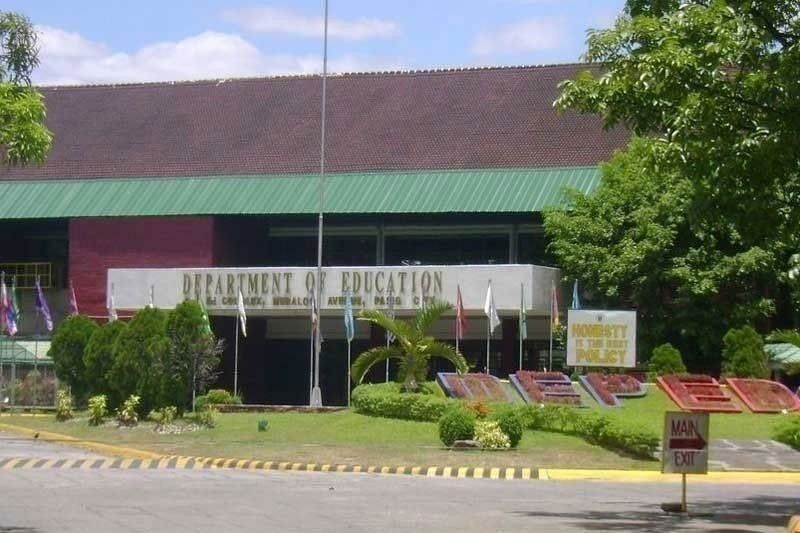
School violence has once again shaken communities in the Philippines, with three harrowing incidents occurring in a single week across Mindanao and Luzon. A teacher was fatally shot in Lanao del Sur after reportedly failing a student, a 15-year-old girl was critically wounded in a classroom shooting in Nueva Ecija, and a Grade 3 pupil was brutally beaten by high school students in Iligan City. These tragedies underscore a disturbing pattern of violence emerging within educational environments, prompting government agencies and lawmakers to urgently call for stricter security protocols and preventive interventions to safeguard students and school personnel.
On August 4, 2025, Danilo Barba Jr., a dedicated teacher at Balabagan Trade School in Lanao del Sur, was tragically shot and killed just outside the school premises. The assailant, identified as 'Kaizer,' a Grade 11 student, used a .45-caliber pistol in the attack. The motive, as revealed during the police investigation, was reportedly linked to the teacher failing the student, highlighting a grave breakdown in conflict resolution within the school community.
Authorities swiftly apprehended the suspect, who confessed to the crime during the inquest proceedings. This incident brought to light the potential dangers educators face, especially when academic performance issues escalate into violent confrontations. It also raised concerns about the mental health and behavioral support available to students struggling with academic pressures.
The killing of Mr. Barba has sent shockwaves through the local education community and beyond, prompting calls for better protection for teachers and the establishment of clear protocols to address student grievances before they escalate. The tragedy underlines the urgent need for schools to foster environments where conflicts are resolved constructively and safely.
Just days after the teacher’s killing, another violent incident occurred inside a classroom in Nueva Ecija on August 7. A male student, known as 'Leo,' shot a 15-year-old female classmate, 'Lea,' in the neck during a class break. Following the attack, the male student turned the gun on himself, resulting in his death. The female student remains in a coma, fighting for her life.
This classroom shooting shocked the nation and exposed vulnerabilities in school safety protocols. The fact that the incident happened during school hours and within the confines of a classroom raised urgent questions about how firearms were brought into the school and the effectiveness of existing security measures.
In response, the Department of Education (DepEd) issued a memorandum urging all schools to strictly enforce safety and security protocols. Measures such as inspecting belongings upon entry, increasing security personnel visibility, and regulating controlled access points were emphasized to prevent similar tragedies from occurring again.
On August 10, another disturbing episode unfolded in Iligan City when nine-year-old Jonard Ensipido, a Grade 3 pupil, was allegedly beaten by five high school students while on his way home. The assault left the young boy in critical condition at the Northern Mindanao Medical Center, sparking outrage among parents, educators, and officials.
This incident highlights a growing concern over youth violence and bullying within and around school environments. The involvement of older students attacking a younger child points to potential issues of gang-related violence, lack of supervision, and insufficient enforcement of discipline policies.
The Department of Education has yet to issue an official statement regarding this attack, but the case has intensified calls for stronger implementation of the country’s anti-bullying laws and more effective intervention programs to protect vulnerable students from harm.
In light of these violent incidents, Education Secretary Sonny Angara issued a memorandum on August 8, reinforcing the Department of Education's commitment to maintaining safe and protective learning environments. The directive called on all regional and school division offices, as well as school heads, to intensify safety measures and strictly enforce security protocols.
Key recommendations included the implementation of thorough inspections of belongings of students, increased presence and visibility of security personnel, and ensuring controlled entry and exit points to monitor who enters school premises. Schools were also urged to strengthen their reporting mechanisms for incidents involving child abuse, exploitation, threats, bullying, and gang-related violence.
The government’s response reflects an understanding of the complex nature of school violence and the necessity of a multi-layered approach that combines prevention, enforcement, and support services to create safer educational settings for all.
The recent spate of violence has brought renewed attention to Republic Act 10627, the Anti-Bullying Act of 2013, which mandates schools to adopt policies and procedures to prevent and address bullying. Despite its enactment over a decade ago, enforcement remains inconsistent, leading to gaps in protection for students vulnerable to abuse and aggression.
Senator Sherwin Gatchalian, chairperson of the Senate basic education committee, expressed alarm at the worsening trend of youth violence in schools. He stressed that the weak implementation of anti-bullying laws contributes to a culture where violent behavior can escalate unchecked among students.
Strengthening these laws and ensuring their rigorous application is critical. This includes training educators on identifying and responding to bullying, creating safe reporting channels, and fostering a school culture that promotes respect, empathy, and conflict resolution.
The effects of school violence extend far beyond physical injuries. Students and teachers exposed to such traumatic events often suffer from psychological distress, including anxiety, depression, and post-traumatic stress disorder (PTSD). These mental health challenges can impair academic performance and disrupt the overall learning environment.
Victims of violence may experience long-term social withdrawal, fear of attending school, and diminished trust in peers and authority figures. Educators, too, may feel unsafe or demoralized, impacting their ability to teach effectively and maintain order.
Addressing these psychological impacts requires integrated support systems within schools, such as counseling services, peer support groups, and collaboration with mental health professionals. Building resilience and emotional well-being is essential to restoring a safe and nurturing educational atmosphere.
Preventing school violence is not solely the responsibility of educational institutions; it requires active participation from families and communities. Parental engagement in children’s school life, open communication, and awareness of behavioral changes can help identify early warning signs of violence or distress.
Community programs that promote youth development, conflict resolution skills, and positive peer interactions can serve as preventive measures against violent tendencies. Local government units and civil society organizations play vital roles in organizing such initiatives and supporting schools.
Collaborative efforts between schools, parents, and communities foster a shared responsibility for student safety and well-being. This collective vigilance is crucial in creating environments where students feel secure and valued.
To effectively combat school violence, a comprehensive and multi-sectoral approach is necessary. This includes revising and updating school safety policies, investing in security infrastructure, and providing continuous training for school personnel on crisis management and conflict resolution.
Integrating social-emotional learning into curricula can equip students with skills to manage emotions, empathize with others, and resolve disputes peacefully. Early intervention programs targeting at-risk youth can also mitigate the progression to violent behavior.
Ultimately, fostering a culture of respect, inclusion, and accountability within schools is key to preventing future tragedies. Continuous monitoring, data collection, and research on school violence will inform evidence-based policies and interventions tailored to the unique needs of each community.
The tragic events of a teacher’s killing, a classroom shooting, and the assault of a young student within a single week serve as a stark reminder of the vulnerabilities facing Philippine schools today. These incidents demand immediate and sustained action from government agencies, educators, parents, and communities alike. By reinforcing security protocols, rigorously enforcing anti-bullying laws, and fostering supportive environments, stakeholders can work together to protect the rights and safety of learners and educators. Only through a united and proactive approach can schools become truly safe havens conducive to learning and growth, free from the shadows of violence.
Originally reported by philstar.com. Adapted for our readers.
Keep reading
Educational Resources
In a move underscoring the intersection of education policy and economic reality, the Sindh government h...
Educational Resources
All eyes are on the FIBA World Cup, but we can't help but think about what's to come in the WNBA....
Educational Resources
Portugal finds itself grappling with a multifaceted crisis as severe storms, known as Storm Kristin and ...
TAMFIS NIG LTD
Electrical and instrumentation engineering, bid preparation and consulting, IT and software.