
Educational Resources
Timings for govt schools, colleges across Sindh reduced by an hour
The Sindh government on Wednesday reduced the class timings for public schools and colleges by an hour until further orders. In a circular, the…
TAMFIS NIG LTDRC 8067447CAC ACTIVEFinima, Bonny Island, Rivers State

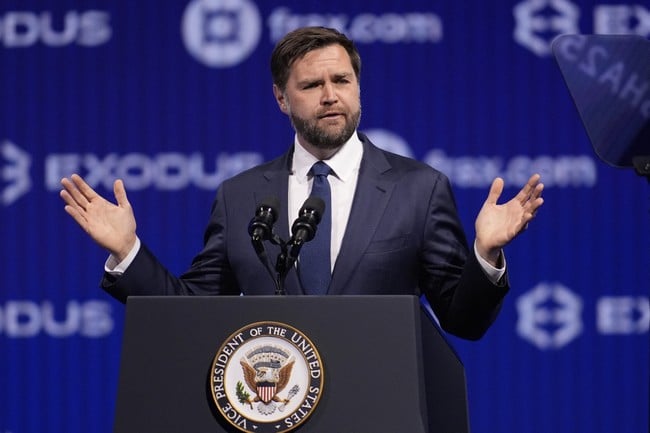
The recent political drama surrounding healthcare funding for undocumented immigrants has ignited fierce debate across the United States. Senate Majority Leader Chuck Schumer’s public assertions denying that federal dollars fund healthcare for illegal immigrants have been met with widespread skepticism and factual counterarguments. Among the most vocal critics is JD Vance, who has delivered a detailed and compelling response exposing the complexities of healthcare financing and the misleading narratives perpetuated by some Democrats. This article delves deep into the truth behind the controversy, analyzing the funding mechanisms, political rhetoric, and the broader implications for American taxpayers.
The political landscape in Washington has been fraught with tension, especially concerning immigration and healthcare policies. Democrats, led by figures such as Chuck Schumer, have faced criticism for their handling of government funding, particularly accusations of prioritizing healthcare access for undocumented immigrants over American citizens. This controversy has reached a boiling point with government shutdown threats linked to funding disputes.
Senate Majority Leader Chuck Schumer’s recent statements denying that federal funds are used for undocumented immigrants' healthcare have sparked backlash. Critics argue that such claims oversimplify complex funding structures and ignore the reality of how state and federal budgets interact. The debate is not just about money but about political messaging designed to sway public opinion.
This contentious environment has created a fertile ground for fact-checkers and political commentators alike to dissect the claims and counterclaims. Understanding the context is crucial to grasp why figures like JD Vance have stepped forward to challenge the dominant narratives and reveal the nuances often overlooked in mainstream discourse.
Healthcare funding in the United States is a complex interplay between federal and state governments. While federal dollars do not directly pay for healthcare services for undocumented immigrants, many states allocate their own funds to provide such care. This creates a scenario where federal funding indirectly supports these expenses through budgetary fungibility.
Fungibility means that when the federal government provides substantial Medicaid funding to a state, it frees up state resources that can then be redirected, including toward healthcare for undocumented immigrants. This indirect funding mechanism is often overlooked in political statements but is critical to understanding the real flow of funds.
For example, states like New York explicitly offer Medicaid coverage to undocumented immigrants, funded largely through state budgets. However, because federal money supports other healthcare expenses, states can reallocate their limited funds to cover additional populations. This financial balancing act blurs the lines between direct and indirect federal contributions.
JD Vance has emerged as a prominent voice challenging Chuck Schumer’s assertions. In a widely circulated social media post, Vance explained the concept of money fungibility and how it disproves Schumer’s outright denial of federal involvement in healthcare funding for undocumented immigrants.
Vance used a compelling analogy comparing government funding to giving a mobster money with promises on spending restrictions. He illustrated how federal Medicaid funds given to states like New York free up state money, which can then be spent on undocumented immigrants’ healthcare. This analogy resonated with many seeking clarity on the issue.
Furthermore, Vance highlighted that limited medical resources mean that when undocumented immigrants access healthcare services, it increases costs for all patients. This dynamic leads to higher expenses subsidized by both taxpayers and the federal government, making the issue more than just semantics about who pays directly.
The debate over healthcare funding is not merely academic; it has tangible effects on American taxpayers. When undocumented immigrants access medical services, the costs are often absorbed through state budgets, which rely heavily on federal Medicaid funding. This results in increased financial pressure on taxpayers indirectly footing the bill.
States that choose to provide Medicaid coverage to undocumented immigrants, such as New York, face budgetary challenges that can lead to higher taxes or reduced services elsewhere. This ripple effect fuels political arguments about accountability and fiscal responsibility.
Moreover, the increased demand for healthcare services can strain medical infrastructure, potentially leading to longer wait times and higher prices for all consumers. Critics argue that transparent discussions about these impacts are necessary for informed policy decisions.
The messaging from Democratic leaders and some media outlets often frames healthcare access for undocumented immigrants as a non-issue or denies federal funding involvement outright. This approach has been criticized as misleading and contributing to public confusion.
Prominent media personalities, including George Stephanopoulos and Jake Tapper, have been noted for echoing these talking points without fully addressing the complexities of funding mechanisms. This has led to accusations of participating in a broader propaganda effort to protect party interests.
Understanding these narratives is essential for citizens seeking objective information. The role of media in shaping public perception cannot be understated, especially when political stakes are high and misinformation can influence election outcomes and policy debates.
The recent government shutdown, often referred to as the 'Schumer Shutdown,' underscores the intensity of the conflict over healthcare funding for undocumented immigrants. Rather than prioritizing government operations, some Democrats pushed for funding measures that included healthcare provisions for illegal aliens, triggering a political impasse.
This shutdown has been criticized by opponents who argue that it puts political agendas above the needs of American citizens. The framing of the shutdown as a fight to protect healthcare access for undocumented immigrants has further polarized public opinion.
The consequences of such shutdowns extend beyond political theater, impacting federal workers, government services, and national security. This episode highlights the high stakes involved in immigration and healthcare policy battles.
Following Schumer’s statements, numerous experts and commentators have stepped in to correct the record. Economists, policy analysts, and healthcare professionals have explained the intricacies of funding and the realities faced by state governments in managing healthcare costs.
Public response has been mixed, with many expressing frustration over the perceived dishonesty in political messaging. Social media platforms have become battlegrounds for debate, with figures like Wade Miller and JD Vance providing detailed explanations that challenge mainstream narratives.
These corrective efforts emphasize the importance of transparency and factual discourse in shaping effective policies. Educating the public on the nuances of budgetary allocations is critical to moving beyond partisan rhetoric.
The controversy surrounding healthcare funding for undocumented immigrants is likely to remain a contentious issue in upcoming elections and legislative sessions. Policymakers will need to navigate the delicate balance between humanitarian concerns, fiscal responsibility, and political strategy.
Calls for greater transparency in funding allocations and clearer communication from elected officials may increase. The public demand for honest dialogue could pressure both parties to reconsider their approaches to immigration and healthcare policy.
Ultimately, the JD Vance-Schumer exchange serves as a case study in how political narratives can clash with economic realities. It underscores the need for informed debates grounded in facts rather than partisan spin, paving the way for more constructive policymaking.
The debate over healthcare funding for undocumented immigrants is emblematic of broader political and fiscal challenges facing the United States. Chuck Schumer’s denials of federal involvement in providing healthcare to illegal aliens have been convincingly challenged by JD Vance’s fact-based analysis, revealing the nuanced realities of federal-state funding relationships. As the nation grapples with immigration policy and government spending, transparent and honest discussions are crucial to forging sustainable solutions. Only through informed debate, free from misleading rhetoric, can policymakers address the needs of all constituents while maintaining fiscal responsibility and social justice.
Originally reported by twitchy.com. Adapted for our readers.
Keep reading
Educational Resources
The Sindh government on Wednesday reduced the class timings for public schools and colleges by an hour until further orders. In a circular, the…
Educational Resources
All eyes are on the FIBA World Cup, but we can’t help but think about what’s to come in the WNBA. When play returns…
Educational Resources
Portugal finds itself grappling with a multifaceted crisis as severe storms, known as Storm Kristin and ...
TAMFIS NIG LTD
Electrical and instrumentation engineering, bid preparation and consulting, IT and software.