
Educational Resources
Storm disrupts Portugal as presidential run‑off election approaches
Portugal finds itself grappling with a multifaceted crisis as severe storms, known as Storm Kristin and ...
TAMFIS NIG LTDRC 8067447CAC ACTIVEFinima, Bonny Island, Rivers State

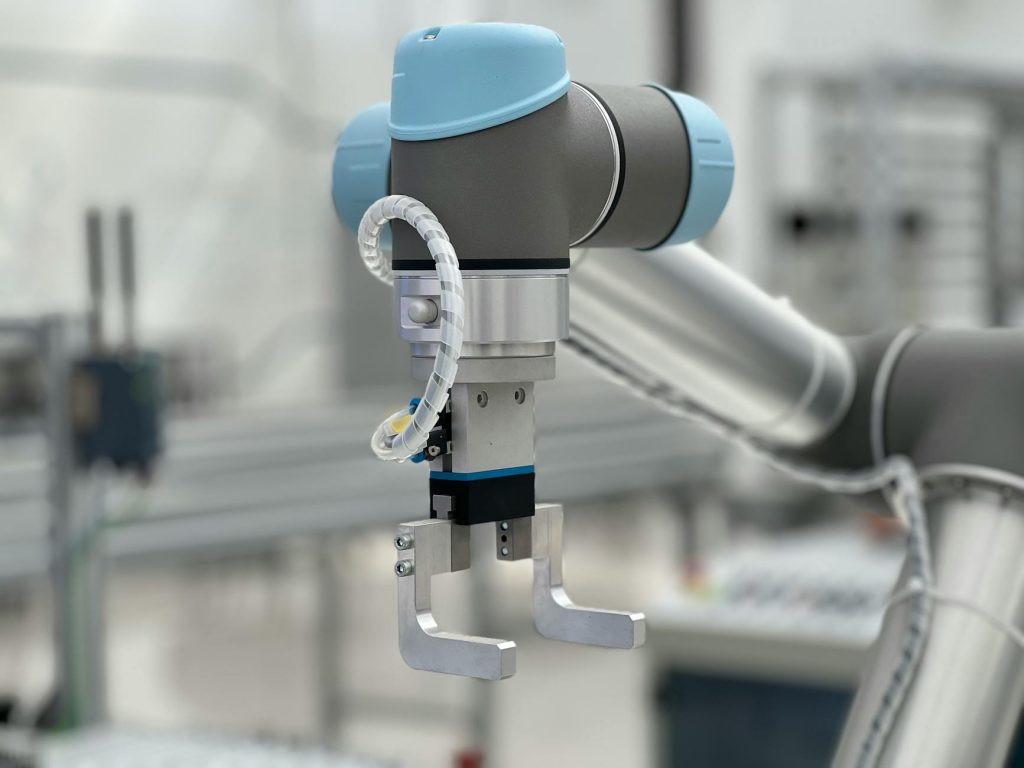
In today’s industrial landscape, instrumentation forms the backbone of automation systems, enabling precise measurement and control of critical process variables such as temperature, pressure, flow, and chemical composition. The reliability of these instruments directly impacts operational efficiency, safety, and product quality. To maintain their accuracy and functionality, regular calibration and maintenance are indispensable. This article provides an authoritative overview of best practices for calibrating and maintaining various industrial instruments, offering practical guidance to ensure optimal performance and regulatory compliance.
Instrumentation encompasses a wide range of devices used to measure and control industrial processes. These include sensors, transmitters, valves, analyzers, and detectors, each designed to monitor specific parameters like temperature, pressure, flow, and gas concentrations. Accurate instrumentation allows automated systems to operate efficiently, maintaining product quality and ensuring safety standards are met.
Given the critical nature of these devices, systematic calibration and maintenance are essential. Calibration ensures that instruments provide correct readings by comparing them against known standards and making necessary adjustments. Maintenance involves routine inspections, cleaning, and component replacement to prevent failures and extend equipment life.
In modern industrial environments, the integration of instrumentation with control systems enables real-time monitoring and automated adjustments, reducing human error and enhancing process stability. This integration underscores the importance of maintaining instrument accuracy and reliability, as even minor deviations can cascade into significant operational issues.
Calibration procedures vary depending on the instrument but generally follow a structured approach: identifying relevant parameters, using certified reference standards, adjusting settings according to manufacturer specifications, and documenting all changes for traceability.
For example, pressure transmitters are calibrated by applying known pressure values and adjusting output signals to match these standards across the measurement range. Similarly, temperature transmitters require precision temperature references to ensure linearity and stability throughout their operating range.
Gas detectors utilize known gas concentrations to test and adjust sensitivity, while analyzers compare readings against certified reference materials to maintain chemical measurement accuracy. Nuclear flux transmitters, critical in radiation monitoring, rely on certified radiation sources for calibration, ensuring safety in nuclear facilities.
Level transmitters are calibrated using known fluid levels to verify output signals correspond accurately with actual measurements, preventing costly overflows or shortages. Flow transmitters require standardized flow conditions to benchmark and adjust their readings, ensuring precise fluid management.
Each calibration process must be tailored to the specific characteristics and operational environment of the instrument, considering factors such as temperature fluctuations, pressure variations, and chemical exposure that may affect performance.
Routine maintenance is vital to prevent instrument degradation and ensure continuous reliable operation. Typical maintenance tasks include cleaning sensors to avoid contamination, inspecting and replacing worn parts such as seals and gaskets, and verifying software updates to maintain compatibility and performance.
Valve maintenance emphasizes inspecting seals for wear, lubricating moving parts, and operating valves periodically to prevent seizure. Similarly, flow transmitters require regular cleaning of measuring elements and replacement of damaged internal components to sustain accuracy.
Maintaining detailed audit trails and logs of all calibration and maintenance activities supports compliance with regulatory requirements and facilitates troubleshooting.
Additionally, maintenance schedules should be informed by manufacturer guidelines and operational data, adjusting frequency based on usage intensity and environmental conditions. Predictive maintenance techniques, such as condition monitoring and performance trend analysis, can further optimize upkeep and reduce unexpected downtime.
Certain instruments demand heightened attention due to their roles in safety and critical process control. Gas detectors, for instance, must be regularly tested with simulated gas exposure to verify functionality, and sensor cartridges replaced as recommended to ensure timely hazard detection.
Nuclear flux transmitters require thorough inspection of electronic components and protective shielding to maintain operational integrity within nuclear facilities. Documentation of maintenance activities is crucial for regulatory oversight.
Level transmitters, essential for monitoring fluid levels in storage tanks, necessitate frequent cleaning to prevent sensor fouling and alignment checks to avoid measurement errors that could lead to overflows or shortages.
Temperature transmitters must be inspected for physical damage and cleaned periodically to eliminate interference that could skew readings. Flow transmitters also benefit from routine software updates and component checks to maintain measurement accuracy.
Given the safety implications associated with these instruments, adherence to stringent calibration and maintenance protocols is not only a best practice but often a regulatory requirement.
Accurate record-keeping is a cornerstone of effective calibration and maintenance programs. Documentation provides traceability, supports quality assurance, and ensures adherence to industry standards and regulations.
Maintaining detailed logs of calibration results, maintenance interventions, and software updates enables organizations to demonstrate compliance during audits and facilitates proactive management of instrumentation health.
Regular review of these records can also identify trends indicating potential equipment degradation, allowing timely corrective actions before failures occur.
Furthermore, comprehensive documentation aids in knowledge transfer within maintenance teams and supports continuous improvement initiatives by providing data-driven insights into instrument performance and reliability.
Effective calibration and maintenance of industrial instruments are critical to sustaining operational excellence in automated processes. By adhering to structured calibration procedures and implementing regular maintenance schedules, industries can ensure their instrumentation delivers precise measurements, enhances safety, and complies with regulatory standards. Investing in these practices not only prolongs equipment lifespan but also safeguards product integrity and workplace safety, ultimately contributing to the overall success and reliability of industrial operations.
Prepared with AI assistance.
Keep reading
Educational Resources
Portugal finds itself grappling with a multifaceted crisis as severe storms, known as Storm Kristin and ...
Educational Resources
Twilight Fish Study Uncovers Unique Hybrid Eye Cells | Mirage News is a topic that deserves thorough exp...
TAMFIS NIG LTD
Electrical and instrumentation engineering, bid preparation and consulting, IT and software.