Understanding the US Intervention to Stabilize the Japanese Yen
In an unusual move reflecting deep concerns about global financial stability, the United States Treasury has joined forces with Japanese officials to counteract the rapid depreciation of the Japanese yen against the US dollar. This coordinated intervention highlights the complexities of international currency markets and the potential ripple effects that currency volatility can have on economies worldwide. Understanding why the US is involved in propping up the yen requires a closer look at the economic relationship between the two countries, the risks posed by the yen’s decline, and the broader market dynamics at play.
Understanding the US Intervention to Stabilize the Japanese Yen
The Context Behind the Yen’s Decline
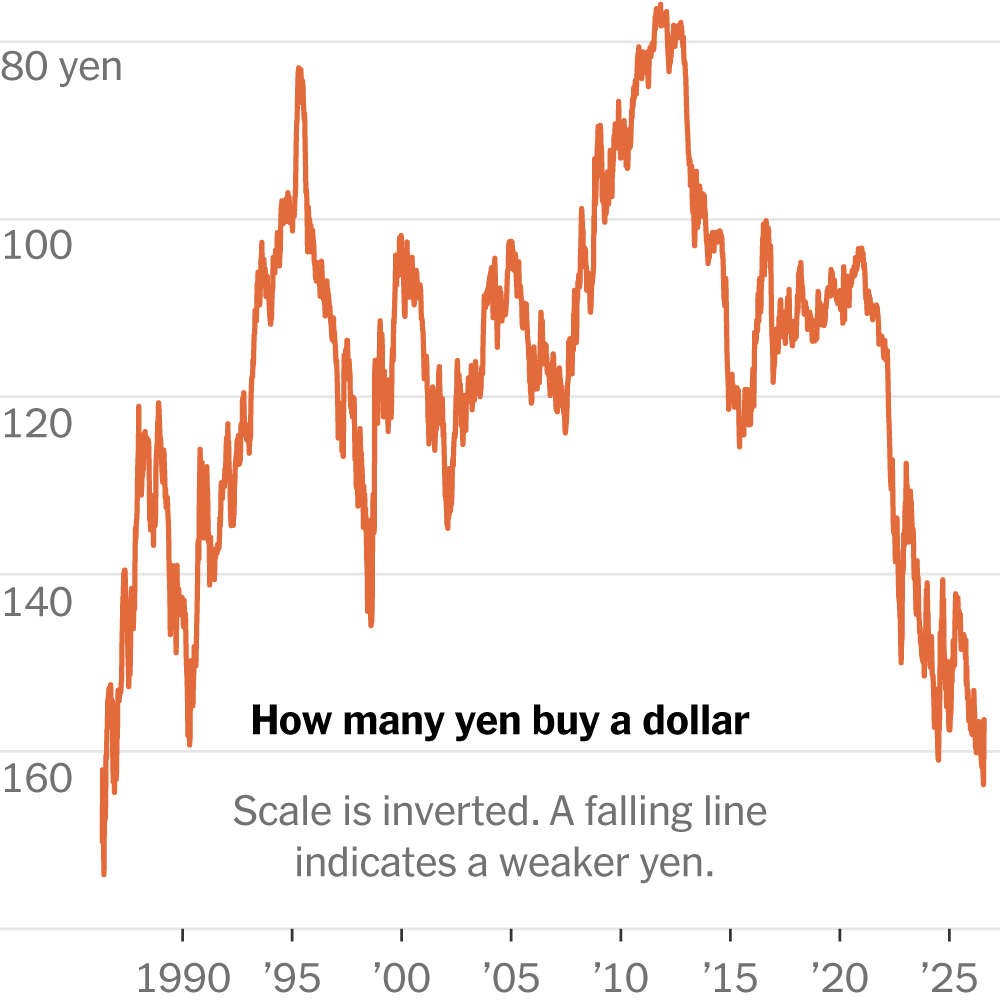
The Japanese yen has experienced a significant slide against the US dollar in recent months, driven by a combination of domestic and international factors. Japan’s prolonged low-interest-rate environment, coupled with aggressive monetary easing policies by the Bank of Japan, has exerted consistent downward pressure on the yen. Meanwhile, the US Federal Reserve’s tightening monetary policy and higher interest rates have made the dollar more attractive to investors, further widening the gap between the two currencies.
This divergence in monetary policy has led to a sharp depreciation of the yen, raising concerns about the impact on Japan’s economy. A weaker yen makes imports more expensive, potentially fueling inflation in a country already grappling with rising costs. It also affects Japanese companies that rely heavily on imported raw materials and components, squeezing profit margins and increasing uncertainty. These economic pressures come at a time when Japan is trying to balance growth with inflation control, making the currency’s decline particularly challenging.
Why the US Treasury Is Involved
The involvement of the US Treasury in supporting the yen is notable because it signals recognition of the broader risks posed by currency instability beyond Japan’s borders. The US and Japan share one of the largest bilateral economic relationships in the world, with extensive trade and investment ties. Turmoil in Japanese markets, especially a sharp and sustained yen depreciation, could have spillover effects that disrupt global financial markets.
By collaborating with Japanese authorities in Tokyo, the US aims to stabilize the yen and prevent disorderly market movements that could undermine investor confidence. This cooperation reflects a strategic interest in maintaining balanced exchange rates that support sustainable economic growth for both nations. Importantly, the intervention is not about artificially fixing the exchange rate but rather about mitigating extreme volatility that could have damaging consequences for global markets.
The US Treasury’s participation also underscores the interconnectedness of the global financial system, where instability in one major economy can quickly transmit risks worldwide. By acting jointly, the US and Japan send a clear message of commitment to market stability and coordinated economic stewardship.
Implications for Global Financial Markets
Currency fluctuations are a natural part of global finance, but when they become too volatile, they can trigger broader market instability. The yen’s sharp decline has raised alarm bells among investors and policymakers because Japan is a major global economic player. Sudden shifts in the yen’s value can affect global trade flows, investment decisions, and capital movements, creating uncertainty across multiple markets.
Moreover, Japan is a significant holder of US Treasury securities, making its financial market stability crucial for the US debt market. Instability in Japanese markets could influence Japan’s investment strategies, potentially impacting US debt demand and global interest rates. The joint intervention thus serves as a preventive measure to maintain stability in both countries’ financial systems and, by extension, the global economy.
This episode highlights how currency movements are not isolated events but are closely linked to broader economic and financial conditions. It also illustrates the challenges central banks and governments face in managing these dynamics amid divergent monetary policies.
The Challenges of Currency Intervention
While intervention can provide short-term relief, it is not a panacea for underlying economic issues. Japan’s monetary policy stance and structural economic challenges remain the primary drivers of the yen’s weakness. Intervening in currency markets can be costly and may only delay necessary adjustments in economic policy or market sentiment.
Additionally, there is a delicate balance to maintain in international cooperation. Excessive intervention risks accusations of currency manipulation, which can strain diplomatic relations and provoke retaliatory actions. Both the US and Japan must carefully calibrate their actions to avoid unintended consequences while signaling their commitment to market stability.
Furthermore, currency interventions often face limitations in effectiveness if not supported by coherent economic policies. Without addressing the fundamental causes of currency weakness — such as divergent interest rates or economic growth prospects — interventions may only offer temporary respite, leaving markets vulnerable to renewed volatility.
Looking Ahead: What This Means for Investors and Policymakers
For investors, the coordinated intervention underscores the importance of monitoring geopolitical and economic developments that influence currency markets. It highlights how central banks and governments can step in during periods of extreme volatility, but also that such measures may not resolve deeper economic imbalances.
Policymakers face the challenge of balancing domestic economic priorities with the need for international cooperation. Japan may need to consider adjustments to its monetary policy framework to address the root causes of the yen’s weakness, while the US must weigh the implications of its own monetary tightening on global markets.
Ultimately, the yen’s trajectory will depend on a complex interplay of factors including interest rates, inflation, trade dynamics, and investor sentiment. The recent intervention is a reminder of the interconnected nature of today’s financial system and the shared interest in maintaining stability.
Looking forward, sustained dialogue and coordination between major economies will be essential to navigate the evolving landscape of global finance. Investors and policymakers alike must remain vigilant, adapting strategies to manage risks associated with currency fluctuations and their broader economic impacts.
What this means
The coordinated efforts by the US and Japan to stabilize the yen highlight the delicate balance required to manage currency fluctuations in an interconnected global economy. While the intervention offers temporary relief from extreme volatility, it also underscores the need for structural economic adjustments and prudent monetary policies. Both nations benefit from a stable exchange rate environment that supports trade, investment, and economic growth. As global markets continue to navigate uncertainty, cooperation and careful policy calibration will remain essential to sustaining financial stability.
Originally reported by nytimes.com. Adapted for our readers with AI assistance.
The recently released poster for the Elon Musk documentary 'Musk' has sparked widespread discussion for its unconventional and arguably amateurish design. This article explores…
Recent advances in machine perfusion technology are not only preserving donated livers but also making them biologically younger at a molecular level. This breakthrough…
As AI technologies advance rapidly, concerns about existential risks have emerged among leading AI researchers and industry figures. This article explores the origins of…