
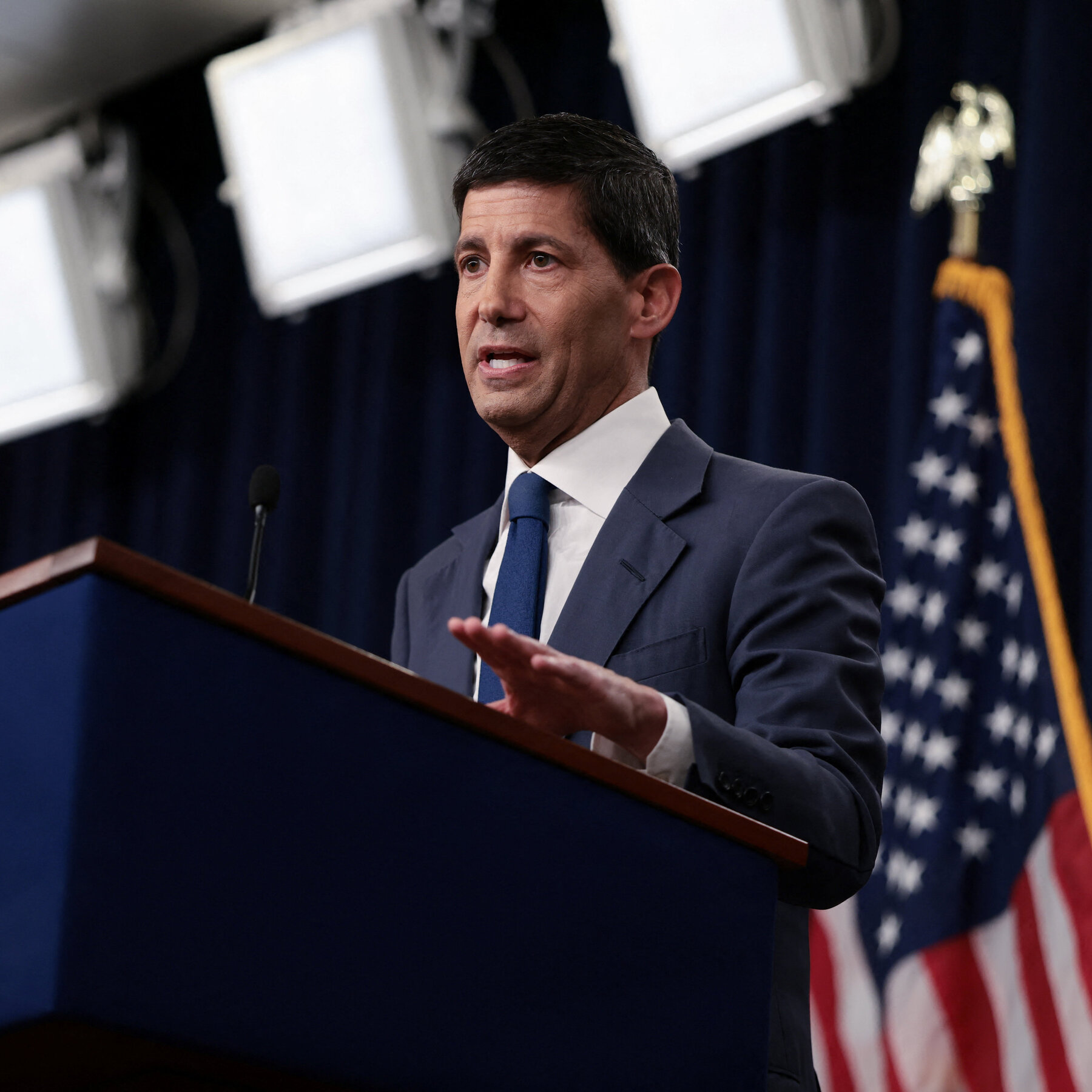
Federal Reserve Chairman Kevin M. Warsh’s recent public statements have stirred significant market turbulence, reflecting growing uncertainty about the Fed’s approach to tackling inflation. Investors and analysts alike are seeking clarity on Warsh’s commitment to price stability amid mixed signals. This article examines the context of Warsh’s comments, the resulting market responses, and the broader implications for monetary policy and economic stability in an increasingly complex economic landscape.
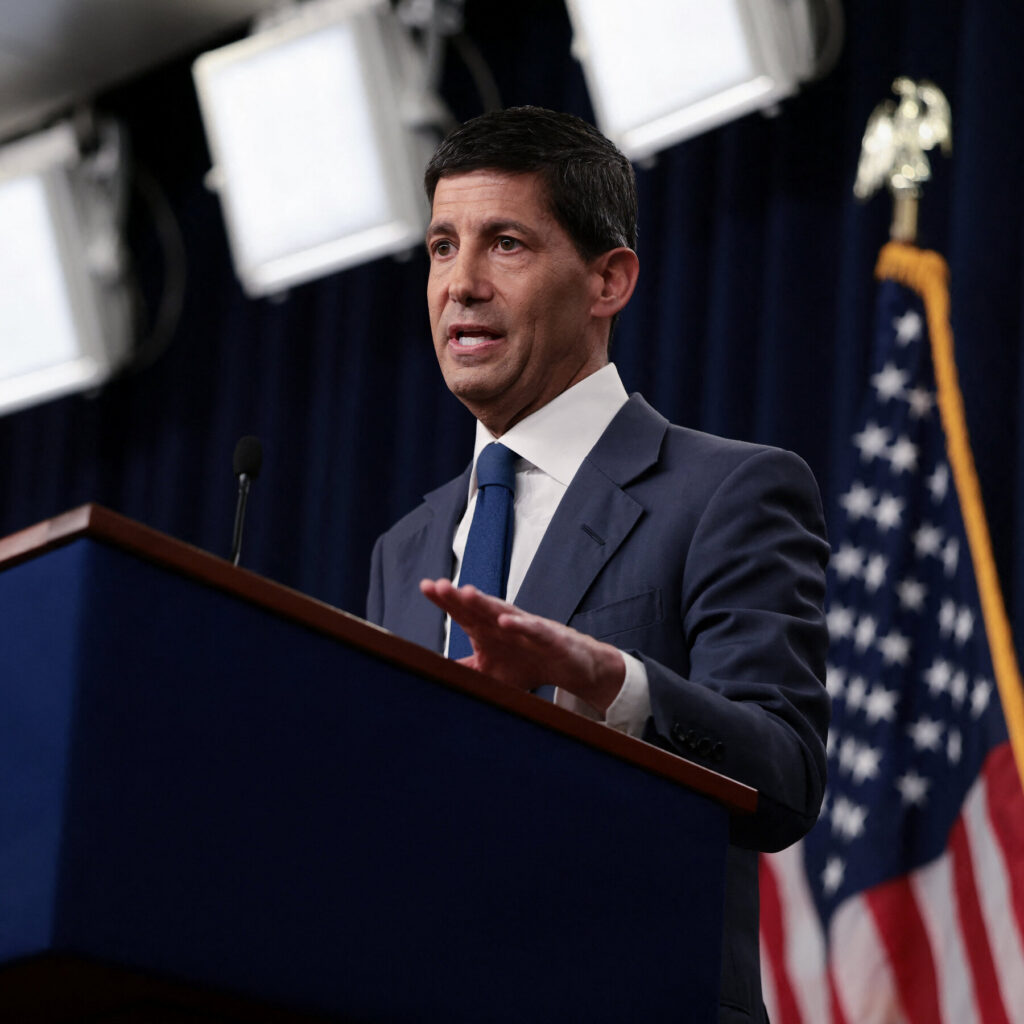
Kevin Warsh’s Recent Remarks and Market Reaction
In his latest public appearance, Federal Reserve Chairman Kevin M. Warsh made comments that were widely interpreted as signaling a potential shift in the Fed’s approach to inflation control. These remarks triggered immediate volatility in financial markets, with investors reacting sharply to perceived uncertainty about the central bank’s policy direction.
Warsh’s statements appeared to suggest a willingness to reconsider the Fed’s aggressive stance on interest rates, which had been primarily aimed at curbing inflation. This perceived openness to adjusting policy led to swift fluctuations in bond yields, stock prices, and currency values, reflecting investor anxiety over whether the Fed might ease its inflation-fighting measures prematurely.
The episode underscored how sensitive markets are to Fed communication, especially when signals are ambiguous or contradictory. Investors rely heavily on clear guidance from the central bank to make informed decisions, and any perceived ambiguity can lead to rapid shifts in market sentiment and increased volatility. This dynamic highlights the critical role of central bank messaging in maintaining market stability.
The Challenge of Inflation and the Fed’s Commitment
Inflation remains a central concern for the Federal Reserve as it seeks to balance economic growth with price stability. Warsh’s comments have raised questions about the Fed’s resolve to maintain a firm stance against inflation, which has persisted above target levels despite previous rate hikes.
The Fed operates under a dual mandate: to promote maximum employment and stable prices. Achieving this requires careful calibration of monetary policy, as overly aggressive rate increases risk triggering a recession, while insufficient action may allow inflation to become entrenched.
Warsh’s mixed signals may reflect the complex trade-offs the Fed faces. On one hand, there is a need to demonstrate a strong commitment to inflation reduction to anchor market expectations and prevent inflationary spirals. On the other hand, there is recognition of the economic risks associated with prolonged tightening, including potential negative impacts on labor markets, consumer spending, and overall growth.
This balancing act is complicated further by evolving economic data and external factors such as geopolitical tensions and supply chain disruptions, which influence inflation dynamics and policy decisions. Warsh’s remarks highlight the ongoing challenge the Fed faces in signaling its intentions clearly while remaining adaptable to changing conditions.
Market Demand for a Policy Reset
The market’s reaction to Warsh’s remarks reflects a broader demand for a reset in the Fed’s monetary policy communication and strategy. Investors are seeking clearer, more consistent guidance from the Fed to reduce uncertainty and better anticipate future actions.
This demand goes beyond mere tone; market participants want assurance that the Fed’s policies are sustainable, data-driven, and responsive to evolving economic conditions without causing undue disruption.
A policy reset could involve recalibrating the Fed’s inflation targets to reflect new economic realities, revisiting the pace and scale of interest rate changes, or enhancing transparency around decision-making processes. Such measures would help rebuild investor confidence and stabilize markets amid ongoing economic challenges.
Moreover, a reset in communication strategy could involve more frequent and detailed explanations of policy rationale, greater clarity on economic thresholds for policy shifts, and improved coordination among Fed officials to present a unified message. These steps would help reduce market speculation and volatility triggered by mixed or unclear signals.
Balancing Market Expectations and Economic Realities
The Federal Reserve’s communication strategy must carefully balance the need to manage market expectations with the realities of economic data and conditions. Warsh’s experience illustrates the difficulty of this task, especially in a volatile and uncertain economic environment.
Clear and consistent messaging is essential not only to prevent market overreactions but also to maintain the Fed’s credibility over time. However, the Fed also requires flexibility to adjust policies as new information emerges, which can sometimes lead to mixed signals and confusion.
Achieving this balance requires careful calibration of public statements and policy actions. The Fed must avoid creating false hope of a premature easing of monetary policy while simultaneously signaling its readiness to act decisively if inflation pressures persist or worsen.
This delicate balancing act is further complicated by the Fed's dual mandate and the lagging effects of monetary policy on the economy. Policymakers must weigh short-term market reactions against long-term economic outcomes, making transparent communication all the more critical to align expectations.
Implications for Investors and the Economy
For investors, the current environment underscores the importance of closely monitoring Fed communications and interpreting them within the broader economic context. Market volatility linked to policy uncertainty can significantly affect portfolio strategies, risk management approaches, and investment horizons.
For the broader economy, the Fed’s ability to manage inflation without triggering a recession remains a critical challenge. Mixed signals risk undermining confidence among businesses and consumers, potentially slowing investment, hiring, and spending, which could dampen economic growth.
Ultimately, a clear and credible Fed policy stance is vital for economic stability. Warsh’s recent remarks serve as a reminder of the challenges central banks face in navigating complex economic landscapes and the high stakes involved in their communication strategies.
Looking ahead, the Fed’s success in restoring clarity and confidence will be crucial in guiding markets and the economy through ongoing uncertainties. This will require transparent, decisive leadership and a willingness to adapt policies as conditions evolve, ensuring that monetary policy supports sustainable growth and price stability.
What this means
Kevin Warsh’s recent remarks have spotlighted the challenges the Federal Reserve faces in communicating its policy intentions amid persistent inflation and economic uncertainty. The resulting market volatility underscores the critical need for clarity and consistency in Fed messaging to maintain investor confidence and economic stability. As markets demand a reset in monetary policy approach, the Fed must carefully balance its dual mandate, ensuring that its actions and communications align to support sustainable growth and price stability. Moving forward, transparent and decisive leadership will be essential for navigating the complexities of today’s economic environment and restoring confidence in monetary policy.
Source: Warsh Wanted ‘Regime Change.’ Markets Are Demanding a Reset. via www.nytimes.com.
This article was curated with AI assistance and reviewed according to Tamfis editorial settings.