Video
construction project management | How To Manage A Construction Project Step By Step
Construction project management is a complex discipline that involves coordinating multiple stakeholders...
TAMFIS NIG LTDRC 8067447CAC ACTIVEFinima, Bonny Island, Rivers State


In the fast-paced world of financial markets, mastering technical analysis is essential for traders aiming to make informed decisions. The Complete Technical Analysis Trading Course (2024) offers an all-encompassing curriculum designed to equip both beginners and experienced traders with the skills necessary to interpret market data effectively. By understanding price movements, chart patterns, and technical indicators, traders can anticipate market trends and optimize their trading strategies. This course is trending in 2024 due to its practical approach, detailed content, and alignment with current market dynamics.
Technical analysis is the study of past market data, primarily price and volume, to forecast future price movements. Unlike fundamental analysis, which examines a company's financial health, technical analysis focuses on chart patterns and indicators. This foundational knowledge is crucial for traders to interpret market sentiment and identify potential entry and exit points.
The Complete Technical Analysis Trading Course begins by introducing the core principles, such as the Dow Theory, which emphasizes trend identification. Recognizing whether a market is in an uptrend, downtrend, or sideways movement is vital for developing effective trading strategies. The course also explains support and resistance levels, which are key to understanding price behavior.
By grasping these fundamentals, traders can build a solid base for more advanced topics. The course emphasizes practical application, encouraging learners to analyze real-time charts and historical data to reinforce their understanding. This hands-on approach ensures that theoretical concepts translate into actionable trading skills.
Charts are the primary tools in technical analysis, visually representing price data over time. The course covers various chart types, including line charts, bar charts, and candlestick charts, each offering unique insights. Candlestick charts are especially popular due to their ability to show open, high, low, and close prices, enabling traders to spot market sentiment quickly.
Recognizing chart patterns is another critical skill taught in the course. Patterns such as head and shoulders, double tops and bottoms, triangles, and flags provide clues about potential market reversals or continuations. Understanding these patterns helps traders anticipate price movements and plan their trades accordingly.
The course also delves into the psychology behind chart patterns, explaining how collective trader behavior creates recognizable shapes. By combining pattern recognition with other technical tools, traders can increase the accuracy of their market predictions and improve their risk management.
Technical indicators are mathematical calculations based on price, volume, or open interest, designed to provide additional insights into market trends. The course introduces popular indicators such as Moving Averages, Relative Strength Index (RSI), Moving Average Convergence Divergence (MACD), and Bollinger Bands, explaining their functions and applications.
Oscillators like RSI and Stochastic Oscillator help identify overbought or oversold conditions, signaling potential reversals. The course emphasizes combining multiple indicators to confirm trading signals and reduce false positives. This layered approach enhances decision-making and boosts trader confidence.
Practical lessons include setting indicator parameters, interpreting indicator crossovers, and integrating indicators with chart patterns. By mastering these tools, traders can refine their entry and exit points, manage risk more effectively, and adapt to varying market conditions.
A significant component of the Complete Technical Analysis Trading Course is strategy development. Traders learn how to build, test, and implement strategies based on technical analysis principles. The course covers trend-following strategies, breakout trading, and mean-reversion approaches, providing a toolkit for different market environments.
Risk management is integrated into strategy planning, emphasizing position sizing, stop-loss placement, and reward-to-risk ratios. The course highlights the importance of discipline and consistency in executing strategies to achieve long-term profitability.
Learners are encouraged to backtest their strategies using historical data to evaluate performance before applying them in live markets. This process helps identify strengths and weaknesses, allowing traders to fine-tune their approaches and increase the likelihood of success.
Volume analysis is a vital aspect of technical trading, providing insights into the strength of price movements. The course explains how volume confirms trends and signals potential reversals. For example, rising prices accompanied by increasing volume suggest strong bullish momentum, while low volume during price rises may indicate weakness.
Market sentiment analysis complements technical indicators by assessing the overall mood of market participants. The course introduces tools such as the Commitment of Traders (COT) report and sentiment surveys to gauge trader positioning and potential contrarian signals.
Combining volume and sentiment analysis with price action enhances the trader’s ability to interpret market dynamics comprehensively. This multi-dimensional approach fosters better-informed decisions and improves timing in trade execution.
In 2024, technology plays a pivotal role in trading efficiency and effectiveness. The course includes guidance on selecting and utilizing advanced trading platforms that offer customizable charts, real-time data, and automated alerts. These tools streamline analysis and enable quicker responses to market changes.
Traders learn to use software features like backtesting modules, strategy builders, and integrated news feeds to enhance their workflow. The course also covers mobile trading applications, allowing traders to monitor markets and execute trades on the go.
Furthermore, the course addresses the importance of data accuracy and security, advising on reliable data sources and risk mitigation strategies related to technology use. Mastering these tools equips traders to stay competitive in an increasingly digital trading environment.
The financial markets are dynamic, requiring traders to continually update their knowledge and skills. The Complete Technical Analysis Trading Course encourages a mindset of lifelong learning, offering resources for ongoing education such as webinars, forums, and updated course materials.
Adapting to new market conditions, including shifts caused by economic events or technological advancements, is emphasized. The course teaches how to evaluate the effectiveness of existing strategies and adjust them as needed to maintain an edge.
Networking with other traders and participating in community discussions are also recommended to gain diverse perspectives and insights. This collaborative approach helps traders stay informed about emerging trends and innovations.
The Complete Technical Analysis Trading Course (2024) stands out as a comprehensive and practical resource for traders seeking to deepen their market understanding and improve their trading performance. By covering foundational concepts, advanced indicators, strategy development, and the integration of technology, the course equips traders with the tools needed to navigate complex financial markets confidently. As trading environments evolve, this course’s emphasis on continuous learning and adaptability ensures that participants remain well-prepared to capitalize on emerging opportunities. Whether you are a novice or an experienced trader, investing in this course can significantly enhance your technical analysis skills and trading outcomes.
Keep reading
Video
Construction project management is a complex discipline that involves coordinating multiple stakeholders...
Video
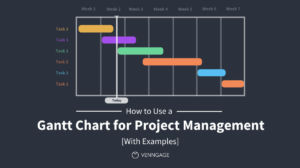
Gantt charts are essential tools in project management, providing clear visual timelines that help teams...
Video
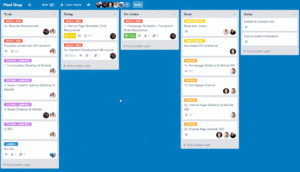
In today’s fast-paced work environment, effective project management tools are essential for team collab...
TAMFIS NIG LTD
Electrical and instrumentation engineering, bid preparation and consulting, IT and software.