Environment
Environmental Crisis in the Arabian Sea: Oil Spill Threatens Vital Bird and Turtle Habitats
The Arabian Sea, a critical marine corridor near the Strait of Hormuz, has recently suffered a significa...
TAMFIS NIG LTDRC 8067447CAC ACTIVEFinima, Bonny Island, Rivers State

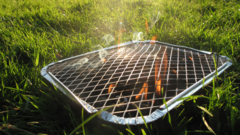
As England and Wales face unprecedented drought conditions coupled with soaring temperatures, the risk of wildfires has surged dramatically. Disposable barbecues, popular for outdoor leisure, have been identified as a significant cause of recent fires. UK Prime Minister Andy Burnham has indicated that the government is seriously considering a ban on these single-use grills to prevent further outbreaks and protect communities, farmland, and natural landscapes from devastating blazes.
Nearly three-quarters of England and the entirety of Wales have been officially declared in drought, creating highly flammable conditions across vast areas. These dry environments make it easier for fires to ignite and spread rapidly, posing threats not only to rural landscapes but also to urban communities and infrastructure.
The Met Office has issued a rare amber extreme heat warning for parts of England, forecasting temperatures that could peak at 38°C in the Midlands and south-east. Such intense heatwaves exacerbate wildfire risks by drying out vegetation, lowering moisture levels in soil and plants, and increasing the likelihood of accidental ignition from human activities.
July 2026 was the busiest month on record for wildfires, with fire crews responding to 393 incidents across England and Wales. Fire chiefs have warned that wildfires are becoming a recurring and intensifying hazard, driven by a changing climate characterized by prolonged dry spells and hotter summers that create tinderbox conditions across the country.
Disposable barbecues, favored for their convenience during outdoor activities such as picnics and beach trips, have been linked to a number of recent wildfires. These single-use grills can retain heat long after use, and if not properly extinguished or disposed of, their residual warmth can ignite dry grass, leaves, and other vegetation.
Fire chiefs and safety officials have repeatedly warned about the dangers posed by disposable barbecues, especially during droughts and heatwaves. Despite these warnings, their popularity remains high during summer months, increasing the risk of accidental fires that can quickly spiral out of control under dry conditions.
In response to these risks, some retailers have voluntarily withdrawn disposable barbecues from sale to reduce fire hazards. Additionally, a Labour Member of Parliament has written to major retailers urging them to stop selling these products for the remainder of the summer, reflecting growing public concern and a push for preventative measures.
Prime Minister Andy Burnham, speaking during a visit to Stevenage, emphasized that the government is seriously considering a ban on disposable barbecues. He urged the public to exercise the greatest possible care when outdoors, particularly avoiding the use of these grills in the countryside during the current high-risk period marked by drought and extreme heat.
Burnham chaired an emergency Cobra meeting involving ministers from the Department for Environment, Food and Rural Affairs, the Home Office, the Department for Health, and representatives from the Environment Agency. The meeting aims to coordinate the government’s response to the heatwave and the associated wildfire threats, ensuring that resources and policies are aligned to protect public safety and natural resources.
While the government has not yet specified whether the potential ban would restrict the sale, use, or both aspects of disposable barbecues, the consideration of such measures signals a proactive approach to mitigating fire hazards linked to these devices. This reflects a growing recognition of the need for tighter controls on activities that can trigger wildfires during vulnerable periods.
The National Farmers Union has also called on local councils to issue public space protection orders restricting the use of disposable barbecues in public areas. This highlights the agricultural sector’s concerns over wildfire damage to crops, livestock habitats, and rural livelihoods, emphasizing the wider economic and environmental impacts of uncontrolled fires.
The increasing frequency and severity of wildfires in the UK reflect broader climate trends, with hotter and drier summers becoming more common. This environmental shift necessitates new strategies for public safety, land management, and climate adaptation to reduce the risk of fire outbreaks and their devastating consequences.
Firefighters, farmers, and NHS staff are facing mounting challenges due to extreme weather conditions, including increased workloads, resource strains, and health risks associated with heat and smoke exposure. The government acknowledges these pressures and is seeking to balance public enjoyment of outdoor spaces with necessary safety precautions to protect communities and frontline workers.
The potential ban on disposable barbecues is part of a wider conversation about adapting to climate change impacts by managing human activities that elevate fire risks. It underscores the need for heightened public awareness, responsible behavior during vulnerable periods, and coordinated efforts between government agencies, local authorities, and the public to prevent avoidable disasters.
As climate change continues to alter weather patterns, proactive measures like these will be essential to safeguard public safety, preserve the environment, and maintain the resilience of communities and ecosystems in the face of increasing wildfire threats.
The UK’s escalating wildfire problem amid unprecedented drought and heatwaves has brought disposable barbecues under scrutiny as a preventable fire hazard. The government’s contemplation of a ban reflects an urgent need to protect communities, farmland, and natural environments from avoidable blazes. While the specifics of such a ban are yet to be finalized, this move signals a shift toward stricter regulation of activities that increase wildfire risks. As climate change continues to alter weather patterns, proactive measures like these will be essential to safeguard public safety and preserve the environment. In the meantime, public awareness and responsible use of outdoor equipment remain critical to reducing fire incidents during vulnerable periods.
Originally reported by bbc.co.uk. Adapted for our readers with AI assistance.
Keep reading
Environment
The Arabian Sea, a critical marine corridor near the Strait of Hormuz, has recently suffered a significa...
Environment
England is grappling with a severe drought crisis as more than two-thirds of the country has been declar...
Environment
The United Kingdom has experienced an unusually hot and dry summer in 2026, with consecutive heatwaves p...
TAMFIS NIG LTD
Electrical and instrumentation engineering, bid preparation and consulting, IT and software.