Remembering Jake Whisenant: A Climbing Legend Lost on El Capitan
Jake Whisenant was a name synonymous with speed and skill on Yosemite’s towering granite walls. In 2024, he stunned the climbing community by scaling El Capitan’s Lurking Fear route in under three hours, setting a new standard for speed climbing on one of the world’s most challenging big walls. His sudden death in a climbing accident in California has sent ripples through the outdoor and climbing communities. This article delves into Whisenant’s remarkable achievements, the inherent dangers of big wall climbing, and the impact of his loss.
Remembering Jake Whisenant: A Climbing Legend Lost on El Capitan
A Record-Breaking Climber on El Capitan
Jake Whisenant’s 2024 ascent of El Capitan’s Lurking Fear route marked a milestone in speed climbing. Known for its technical difficulty and length, Lurking Fear demands exceptional physical endurance, precise technique, and mental focus. Whisenant’s completion of the climb in under three hours was a feat few believed possible, showcasing his extraordinary talent and dedication.
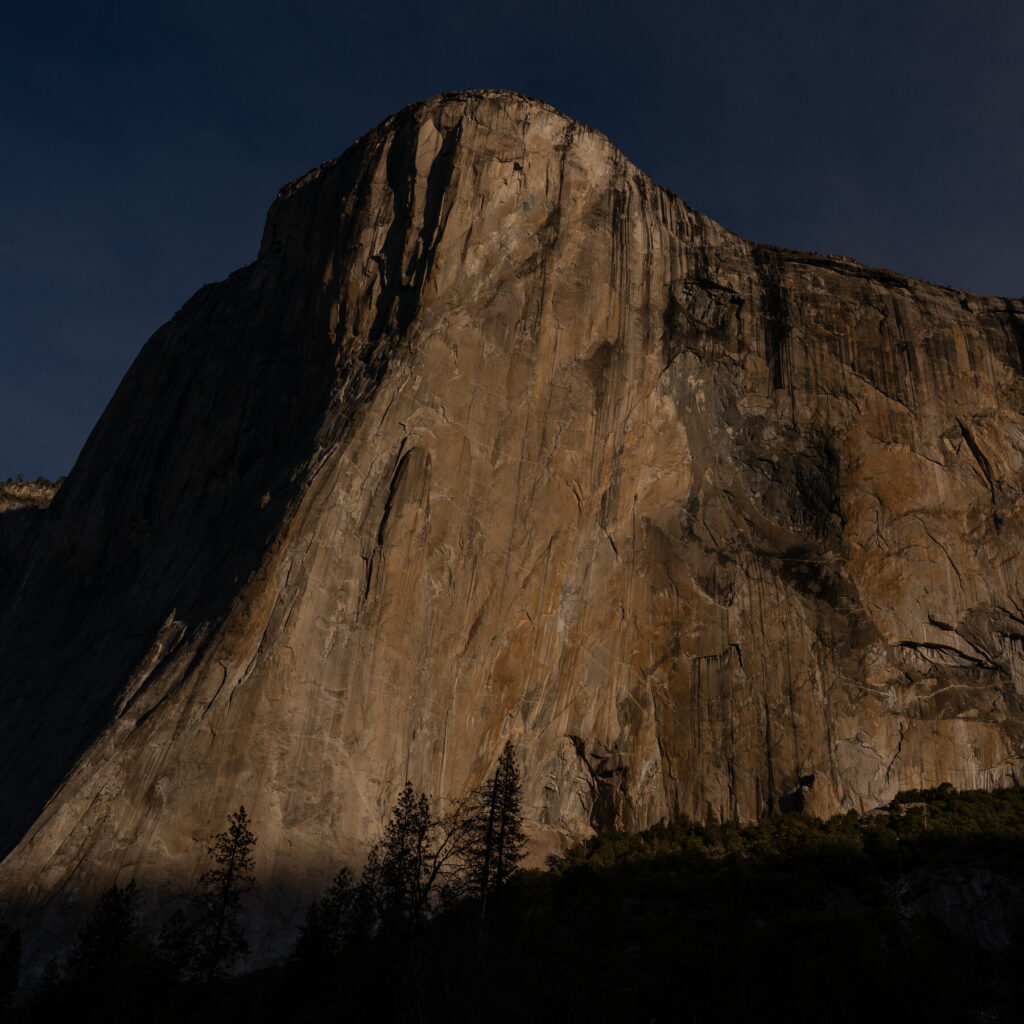
El Capitan, rising approximately 3,000 feet in Yosemite National Park, is one of the world’s most iconic climbing destinations. Its sheer granite face attracts climbers eager to push human limits. Whisenant’s record brought renewed attention to speed climbing on big walls, inspiring climbers to innovate techniques that blend efficiency with safety.
His achievement demonstrated how advances in training, equipment, and route knowledge can redefine the sport. Mastering Lurking Fear’s varied pitches, Whisenant combined agility, strength, and mental acuity to set a new benchmark for speed climbing.
The Risks of Big Wall Climbing
Climbing El Capitan carries inherent dangers: falls, rockfall, sudden weather changes, and the physical toll of sustained climbing over hours or days. Despite improvements in gear and safety protocols, accidents remain a sobering reality.
Whisenant’s death in a climbing accident highlights these risks. While details are limited, his passing reminds us that even the most skilled climbers face unpredictable hazards. Speed climbing’s combination of technical difficulty and rapid pace can reduce margins for error and increase exposure to environmental dangers.
Safety protocols, rigorous training, and experience are vital but cannot eliminate all risks. Climbers must constantly assess conditions, weather, and their own limits, balancing ambition with caution. The dynamic nature of big wall climbing means every ascent carries uncertainty, reinforcing the need for respect and preparedness.
Moreover, the pressure to break records can lead climbers to take calculated risks that may not always pay off. Whisenant’s accident serves as a sobering example of the delicate balance between pursuing excellence and ensuring safety.
Legacy and Impact on the Climbing Community
Jake Whisenant’s achievements have left a lasting mark on climbing. His record on Lurking Fear demonstrated what dedication, skill, and innovation can accomplish, pushing the sport forward and encouraging climbers to rethink speed and efficiency on big walls.
His passing has prompted reflection about balancing ambition with risk management. Tributes emphasize not only his climbing prowess but also his passion and role as a mentor inspiring many aspiring climbers.
Whisenant’s legacy is complex—celebrating extraordinary accomplishment while reminding us of the sport’s dangers. His life motivates climbers to pursue excellence with respect for the mountain and their own safety. Many view his achievements as a call to innovate responsibly, matching progress with advances in safety culture and risk awareness.
In the wake of his death, conversations about better supporting climbers in high-risk disciplines have gained momentum, including improvements in emergency response, risk education, and fostering a community ethos valuing safety alongside achievement.
Understanding the Culture of Speed Climbing
Speed climbing on big walls like El Capitan is a specialized discipline requiring physical conditioning, technical mastery, and mental resilience. Climbers pursuing speed records spend years refining routes, equipment, and techniques to reduce their times.
The culture values innovation and pushing human limits but also involves navigating the tension between ambition and safety. Whisenant’s record-breaking ascent was celebrated as a breakthrough, yet his accident highlights ongoing challenges faced by athletes in this high-risk arena.
As the sport evolves, there is increasing emphasis on sharing knowledge about safety and risk management to enable climbers to pursue goals with greater awareness and preparation. This includes physical training, mental strategies to maintain focus under pressure, and technological advances enhancing both speed and security.
The community debates balancing the thrill of pushing boundaries with the responsibility to minimize risk, fostering a culture where climbers support prudent decision-making.
The Broader Significance of Yosemite Climbing
Yosemite National Park has long been a crucible for climbing innovation and achievement. Its granite walls attract climbers worldwide, serving as a proving ground for new techniques and styles. The park’s unique geology and challenging terrain symbolize climbing excellence and adventure.
Climbers like Jake Whisenant contribute to Yosemite’s rich history, embodying the spirit of exploration and challenge that defines the park’s climbing culture. Their stories intertwine with the natural landscape, shaping the sport’s development and public perception.
Yosemite faces ongoing challenges related to environmental preservation and managing increasing visitor numbers. Balancing conservation with the demands of a passionate climbing community requires cooperation between park authorities and outdoor enthusiasts.
The park’s legacy as a climbing mecca continues to inspire new generations but also calls for sustainable practices to ensure it remains a treasured destination for years to come.
What this means
Jake Whisenant’s life and career exemplify the extraordinary achievements possible in big wall climbing. His record-breaking ascent of El Capitan’s Lurking Fear route pushed the boundaries of climbing performance and inspired many. Yet, his tragic death is a solemn reminder of the sport’s inherent risks and the fine line between ambition and safety. As the climbing community honors his legacy, it renews its commitment to respecting the mountains, advancing safety practices, and cherishing the spirit of exploration that defines Yosemite and the sport itself.
Originally reported by nytimes.com. Adapted for our readers with AI assistance.
Following heavy defeats in the first two Tests against England, Pakistan has made sweeping changes by dropping seven players, calling up five newcomers, and…
Manchester City’s proposed £80 million transfer for Liverpool forward Cody Gakpo is on the brink of collapse as Liverpool struggles to secure a suitable…