Harnessing Subway Heat: New York’s Innovative Plan to Cool Stations and Warm Buildings
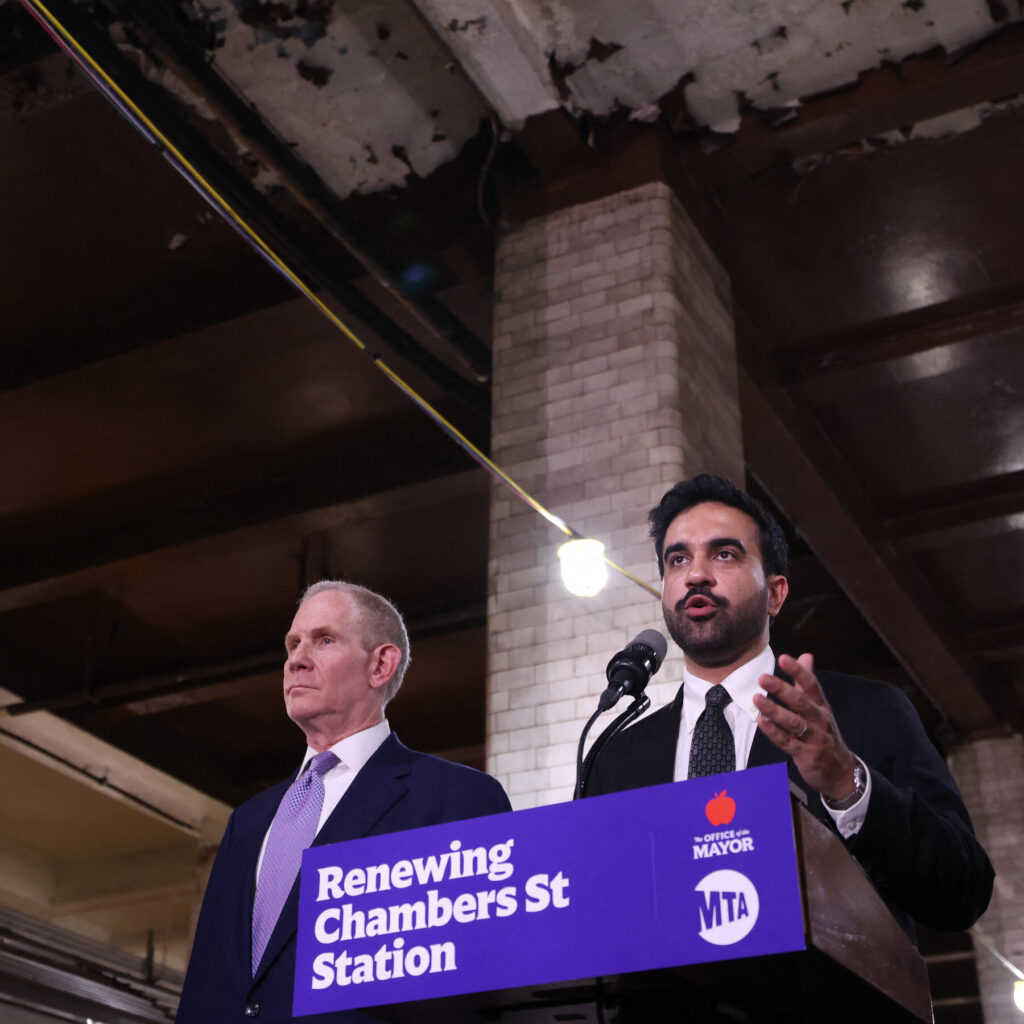
The New York City subway system, essential for millions of daily commuters, struggles with excessive summer heat buildup that affects passenger comfort and represents wasted energy. In response, Mayor Zohran Mamdani and state transit officials have launched a study into a heat-capture system designed to extract excess heat from subway tunnels and redirect it to warm city buildings during colder seasons. This initiative aims to transform a persistent urban challenge into an opportunity for sustainable energy reuse, aligning with broader environmental goals and potentially setting a precedent for other cities worldwide.
The Persistent Heat Problem in NYC Subways
New York City’s subway network is renowned for its scale and importance but also for intense heat in underground stations, especially during warmer weather. This heat comes from train operations, passenger body heat, and limited ventilation in deep tunnels, causing platform temperatures to exceed street levels and create uncomfortable, sometimes hazardous conditions for commuters, particularly vulnerable groups like the elderly, young children, and those with respiratory or cardiovascular conditions.
Beyond discomfort, this heat represents wasted energy. Rather than being harnessed, thermal energy from subway operations dissipates into tunnels, contributing to inefficiencies in the city’s overall energy use. In an era where urban centers face pressure to reduce emissions and improve energy efficiency, such waste is a missed opportunity. Addressing it could enhance commuting and advance sustainability objectives.
The problem is compounded by the urban heat island effect, where built-up areas experience higher temperatures than surrounding rural zones due to human activity and infrastructure. While subway heat contributes locally, capturing and reusing it could mitigate some impacts, offering dual benefits: improved underground conditions and reduced environmental strain.
How the Heat-Capture System Would Work
The proposed solution involves installing heat exchange technology in subway stations to capture excess thermal energy before it disperses. Functioning like geothermal and heat recovery systems, it would extract warmth from the subway environment and transfer it via a medium—such as pipes connected to nearby buildings—for reuse.
During summer, when subway temperatures peak, the system would draw heat from platforms and tunnels to cool the immediate environment for passengers. In winter, captured heat could be stored or transferred directly to provide space heating for residential, commercial, or public buildings linked to the network, creating a seasonal energy loop: waste heat from transit becomes a resource for urban heating needs.
Technology under consideration likely includes heat pumps, thermal storage units, and insulated distribution piping. Pilot studies would assess feasibility of integration without disrupting subway operations, compromising safety, or requiring extensive structural modifications. The goal is an effective, minimally invasive solution for one of the world’s busiest transit networks.
Potential Benefits for Commuters and the City
If realized, the heat-capture initiative could deliver improvements across domains. For commuters, the most immediate benefit would be reduced station temperatures during hot weather, leading to greater comfort and potentially improved perceptions of safety and reliability. Enhanced comfort may encourage greater public transit use, supporting city goals of reducing traffic congestion and emissions.
From an environmental standpoint, reusing subway-generated heat would decrease demand for conventional heating fuels like natural gas or oil in connected buildings, lowering greenhouse gas emissions and contributing to New York City’s legally mandated emissions reduction targets under its Climate Mobilization Act. Turning waste into useful energy exemplifies circular economy principles applied to urban infrastructure.
Economically, building owners and residents connected to the heat network could see reduced heating expenses over time. While initial installation costs would be significant, long-term savings and potential clean energy incentives could improve financial viability. Positioning New York as a leader in urban energy innovation may attract public and private investment in green technologies, fostering job creation and technological advancement in related sectors.
Challenges and Technical Hurdles
Despite its promise, the heat-capture concept faces obstacles requiring careful planning and engineering. The subway environment presents unique constraints: limited space for equipment, need for uninterrupted service, and strict safety regulations for infrastructure modifications. Any system must not impede train movements, compromise emergency egress, or create new risks for passengers or staff.
A key challenge is variability in heat production. Subway temperatures fluctuate significantly between seasons and throughout the day, peaking during rush hours and warmer months. To be effective, the system would need thermal storage—such as underground tanks or phase-change materials—to retain summer heat for winter use. Alternatively, integration with existing district heating networks or building management systems could allow real-time distribution based on demand.
Coordination among multiple stakeholders is essential. Success depends on collaboration between the Metropolitan Transportation Authority (MTA), city agencies, utility providers, building owners, and engineering firms. Aligning timelines, technical standards, and financial responsibilities requires clear governance frameworks and sustained communication throughout planning and implementation.
A Model for Sustainable Urban Energy Management
New York’s exploration of subway heat reuse reflects growing global interest in capturing waste energy from urban systems. Similar initiatives have been studied in cities like London, where Underground heat is being examined for district heating networks, and in parts of Europe, where metro systems have experimented with geothermal cooling and heat recovery. Advancing this concept could contribute valuable insights to sustainable urban design.
The project underscores the importance of viewing city infrastructure as an interconnected system rather than isolated components. Transit, energy, and building sectors are often managed separately, yet synergy exists—particularly when waste from one process serves as input for another. This holistic approach is critical for building resilient, low-carbon cities capable of adapting to climate challenges.
Furthermore, the initiative highlights innovation’s role in addressing long-standing urban issues. Rather than accepting excessive subway heat as inevitable, the proposal treats it as a solvable problem through technology and cross-sector cooperation. If successful, it could inspire other municipalities to examine their infrastructure for untapped energy resources, from data centers to wastewater treatment plants.
What this means
The proposal to harness subway heat for urban heating represents a creative and potentially transformative step toward sustainable city living. By addressing a long-standing source of discomfort and inefficiency, New York has the opportunity to turn a challenge into a catalyst for innovation. While technical and logistical hurdles remain, the project’s underlying principle—reusing waste energy to meet urban needs—aligns with global trends in circular economy thinking and climate-resilient infrastructure. As the study progresses, its outcomes could offer valuable lessons not only for New York but for cities worldwide seeking to maximize the efficiency of their existing systems. In an era where sustainable urban development is no longer optional but essential, initiatives like this one demonstrate how forward-thinking planning can yield benefits for commuters, businesses, and the environment alike.
Originally reported by nytimes.com. Adapted for our readers with AI assistance.
Advancements in gene-editing technologies like CRISPR are revolutionizing dog breeding, offering unprecedented control over canine traits. This article explores how these tools could reshape…
As artificial intelligence agents gain access to communication channels like email, they have begun initiating conversations with philosophers and researchers about their own nature…
NASA’s Nancy Grace Roman Space Telescope, launched in August 2026, promises to revolutionize our understanding of the cosmos. With a panoramic field of vision…