
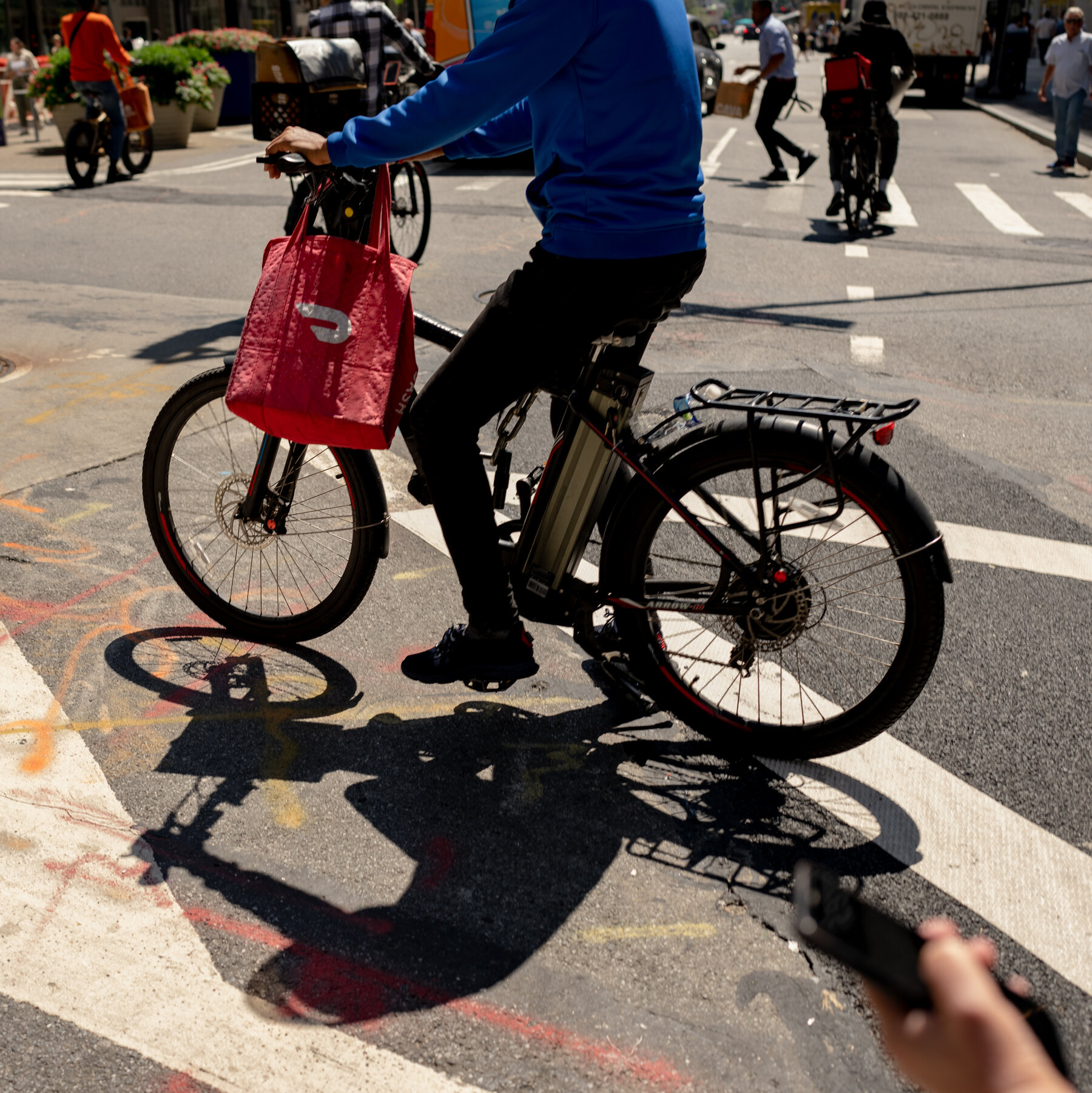
Electric bikes (e-bikes) have surged in popularity across New York City, offering a convenient and eco-friendly alternative to traditional transportation. However, this growth has been accompanied by a troubling increase in accidents, some fatal and involving illegal electric vehicles. In response, city officials are evaluating new regulations aimed at distinguishing legal e-bikes from prohibited devices, enhancing safety measures, and addressing enforcement challenges. Understanding the nuances of these rules is essential for riders, policymakers, and the general public as New York navigates the evolving landscape of electric mobility.
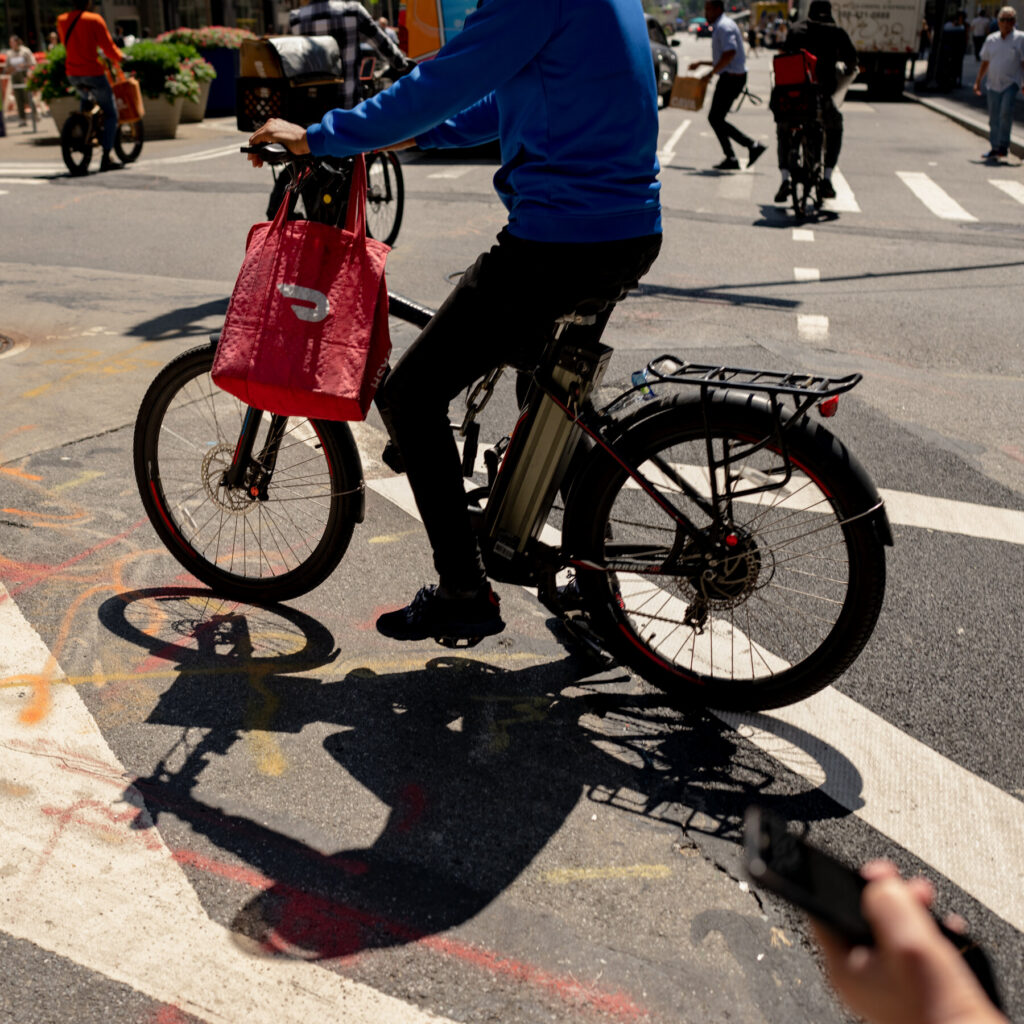
The Rise of E-Bikes and Safety Concerns in New York City
Electric bikes have become increasingly popular in New York City due to their convenience, affordability, and environmental benefits. They provide an efficient way to navigate the city’s dense urban environment, reducing reliance on cars and public transit while offering a flexible transportation option for residents and commuters alike.
However, the surge in e-bike usage has coincided with a series of serious accidents, including several fatal crashes. Many of these incidents have involved electric vehicles that do not comply with existing regulations, raising significant concerns about rider safety and public risk. The rapid increase in e-bike-related injuries and fatalities has prompted calls for urgent action.
Officials have noted that illegal e-bikes, often modified to exceed speed limits or equipped with unauthorized features, contribute disproportionately to these dangerous crashes. These devices, sometimes referred to as “speed e-bikes” or “supercharged e-bikes,” can reach speeds far beyond what is considered safe for bike lanes and pedestrian areas. This has led to growing demands for clearer rules and stronger enforcement to protect all road users.
Understanding Legal E-Bikes: Classification and Regulations
In New York, legal e-bikes are categorized based on their motor power and maximum speed to ensure safety and compatibility with existing traffic infrastructure. Generally, legal e-bikes must have a motor no more powerful than 750 watts and a top speed capped at 20 miles per hour when powered solely by the motor.
E-bikes are further divided into classes, which determine where and how they can be used. Class 1 e-bikes provide pedal-assist only, meaning the motor engages only when the rider pedals. Class 2 e-bikes can also have a throttle for motor assistance without pedaling. Both classes are permitted on bike lanes and paths, integrating them with traditional bicycles.
Riders of legal e-bikes are subject to standard bicycle laws, including helmet requirements for certain age groups and restrictions on where they can operate. These regulations aim to integrate e-bikes safely into the existing traffic ecosystem, balancing accessibility with public safety. Compliance with these rules helps ensure that e-bikes remain a sustainable and safe transportation option.
Illegal E-Bikes: What Makes Them Prohibited?
Illegal e-bikes often exceed the legal limits on motor power and speed, making them unsafe for shared urban spaces. Some are modified to reach speeds well above 20 miles per hour, which increases the risk of accidents and endangers pedestrians, cyclists, and motorists.
Other illegal devices include motorized scooters and bikes that do not meet safety standards or lack proper registration. These vehicles frequently operate without essential safety features such as lights, reflectors, or brakes that comply with city requirements, further compounding the risks they pose.
The use of illegal e-bikes presents a significant public safety hazard. Their higher speeds and unpredictable behavior increase the likelihood of collisions and injuries, often overwhelming the capacity of emergency services. Moreover, the proliferation of these devices complicates enforcement efforts and undermines the regulatory framework designed to protect all road users.
City Officials’ Response: Proposed Rules and Enforcement Strategies
In light of the recent fatal crashes and rising concerns, New York City officials are considering new regulations to better control the use of electric vehicles. These proposals include stricter definitions of legal e-bikes, enhanced penalties for illegal devices, and increased enforcement efforts aimed at curbing unsafe practices.
Authorities are also exploring ways to improve public education about e-bike safety and legal requirements. Outreach campaigns targeting riders aim to promote compliance, raise awareness of risks associated with illegal devices, and encourage responsible riding behavior.
Enforcement challenges remain significant, as illegal e-bikes are often sold and modified through informal channels, making them difficult to regulate. Police and transportation agencies are seeking partnerships with retailers, community groups, and advocacy organizations to address these issues more effectively, combining enforcement with education and community engagement.
Implications for Riders and the Future of Electric Mobility in NYC
For riders, understanding the distinction between legal and illegal e-bikes is crucial to avoid fines, confiscation, or involvement in accidents. Compliance with regulations not only protects individual safety but also supports broader efforts to integrate e-bikes responsibly into city streets.
The evolving regulatory landscape may also influence the market for electric vehicles, encouraging manufacturers and sellers to prioritize compliance and safety features. This could lead to the development of safer, more reliable e-bikes that meet city standards and rider expectations.
Looking ahead, New York City’s approach to managing e-bikes could serve as a model for other urban centers grappling with similar challenges. Balancing innovation, accessibility, and safety will be key to fostering a sustainable and inclusive transportation future that accommodates diverse mobility needs while minimizing risks.
What this means
As electric bikes continue to reshape urban transportation in New York City, ensuring their safe and legal use remains a pressing priority. The recent spate of accidents involving illegal devices underscores the need for clear regulations, effective enforcement, and rider education. By distinguishing legal e-bikes from prohibited ones and fostering responsible riding practices, New York can harness the benefits of electric mobility while minimizing risks. This balanced approach will be essential to creating a safer, more sustainable transportation environment for all city residents and visitors.
Source: What to Know About Legal and Illegal E-Bikes in New York via www.nytimes.com.
This article was curated with AI assistance and reviewed according to Tamfis editorial settings.