ESCALATING CONFLICT: U.S.-ISRAEL STRIKES AND IRAN’S RETALIATION INTENSIFY MIDDLE EAST CRISIS
Date Started: February 28, 2026 Location: Washington D.C., Tehran, Tel Aviv, and Various Regional Hotspots Byline: GNN Global Security Desk
INTRODUCTION The Middle East is on the brink of a full-scale regional war following a dramatic escalation in hostilities between Iran and a U.S.-led coalition including Israel. On February 28, 2026, a series of high-stakes military actions and retaliations unfolded, marking one of the most direct and dangerous confrontations in the region’s modern history. What began as a targeted operation by the United States and Israel—codenamed “Operation Stormbreaker”—quickly spiraled into a cycle of retaliatory strikes, raising global alarm over energy security, regional stability, and the potential for prolonged conflict.
This comprehensive report details the events, strategic implications, humanitarian impact, and international reactions unfolding in real-time.
I. CHRONOLOGY OF EVENTS
A. Precipitating Incidents
Tensions had been mounting for months. Earlier in February, Iran conducted ballistic missile tests near the Strait of Hormuz, followed by attacks—attributed to its proxies—on U.S. bases in Iraq and Syria. On February 25, Israeli airstrikes targeted an IRGC facility near Damascus, killing several high-ranking officers. Iran vowed retaliation, setting the stage for the events of February 28.
B. Operation Stormbreaker
In the pre-dawn hours, the U.S. and Israel initiated “Operation Stormbreaker.” The joint offensive included:
Airstrikes from the USS Eisenhower Carrier Strike Group stationed in the Arabian Sea.
Sorties from undisclosed airbases in allied Gulf states.
IRGC command centers in Tehran, Shiraz, and Kermanshah.
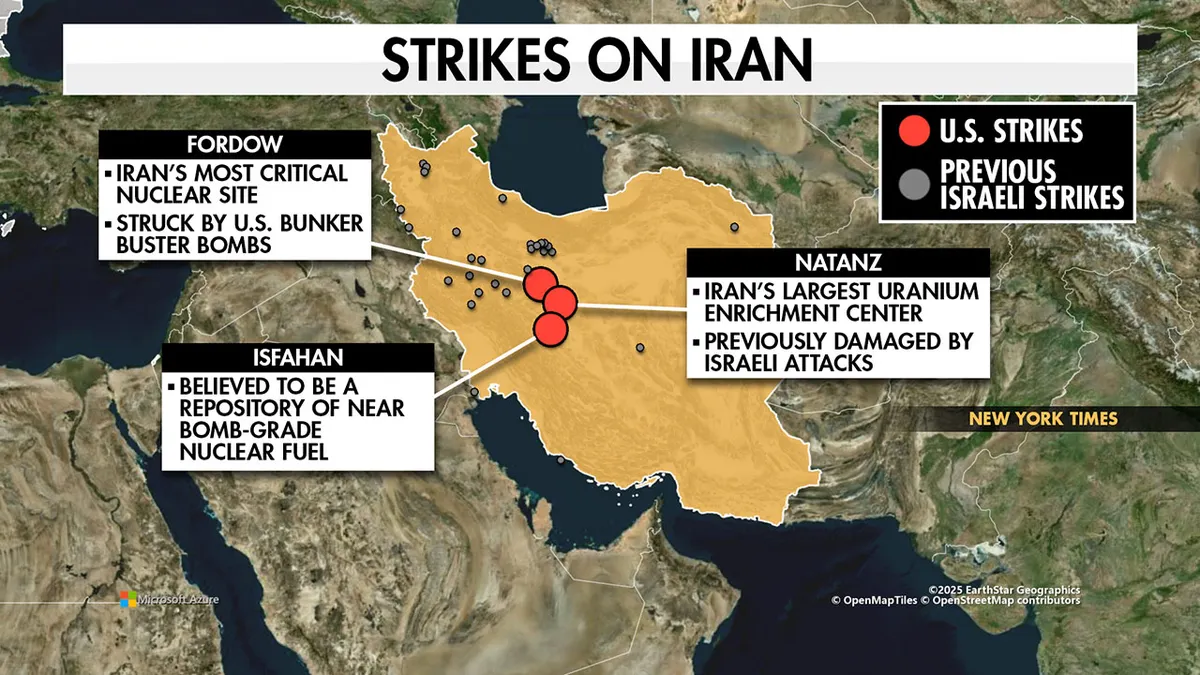
Missile launch sites near Tabriz and Isfahan.
Suspected nuclear enrichment facilities at Natanz and Fordow.
Drone manufacturing plants across multiple provinces.
Initial assessments suggest significant degradation of Iran’s medium-range ballistic missile capabilities and disruption to its UAV program.
C. Iran’s Retaliatory Strikes
Within hours, Iran responded with “Operation True Promise,” a multi-pronged retaliation:
Ballistic and cruise missiles launched at Tel Aviv, Haifa, and Dimona.
Drone swarms targeting U.S. bases in Erbil (Iraq), al-Tanf (Syria), and Al-Dhafra (UAE).
Naval units placed on high alert in the Strait of Hormuz.
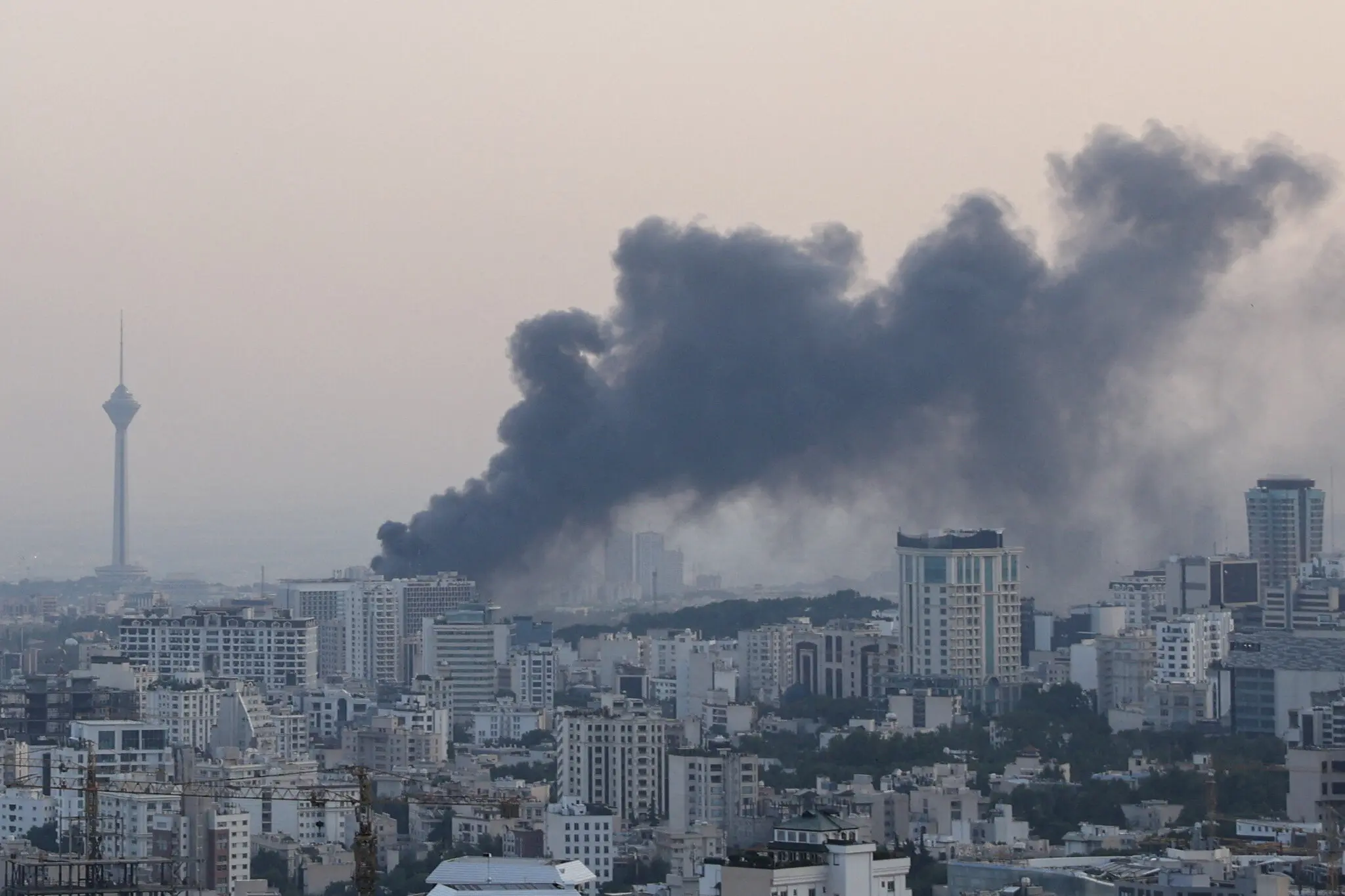
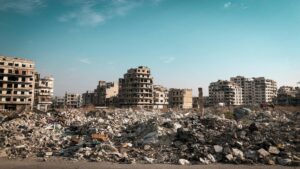
Reports indicate damage to residential and governmental buildings in Israeli cities, while U.S. military infrastructure in the region sustained hits—though preliminary data suggests defenses minimized casualties.
II. HUMANITARIAN AND ECONOMIC IMPACT
A. Casualties and Infrastructure Damage
Israel: Emergency services report at least 120 civilians injured, with several fatalities. Critical infrastructure, including power stations and communication hubs, suffered damage.
Iran: State media claims over 200 casualties, mostly military and IRGC personnel. Independent verification is pending due to communication blackouts.
U.S. Bases: CENTCOM reports minor injuries among personnel but significant structural damage to airfields and barracks.
B. Global Energy Markets
Brent Crude oil prices surged by 18% to $138 per barrel—the highest since the 2020s. Analysts warn of further spikes if the Strait of Hormuz is disrupted. Gasoline and natural gas futures also rose sharply, threatening inflationary pressure worldwide.
C. Displacement and Civilian Flight
UNHCR reports growing internal displacement in Iran and Israel, with civilians fleeing targeted urban areas. Neighboring countries, including Jordan and Turkey, are preparing for potential refugee inflows.
Iran: Displayed improved missile accuracy, drone swarm tactics, and the ability to coordinate multi-front attacks.
B. Escalation Risks
Proxy Activation: Hezbollah, Hamas, and Iraqi militias may intensify attacks.
Maritime Threats: Iranian naval forces could mine or block the Strait of Hormuz, impacting 20% of global oil transit.
Cyber Warfare: Both sides possess advanced capabilities to target critical infrastructure.
C. Nuclear Dimension
While no nuclear weapons were used, the targeting of enrichment sites raises concerns about potential breakout scenarios and radiological hazards.
IV. INTERNATIONAL REACTIONS
A. United Nations
The Security Council convened an emergency session, with the Secretary-General urging an “immediate cessation of hostilities” and warning of “catastrophic regional consequences.” A draft resolution calling for a ceasefire and humanitarian corridors was introduced but faced immediate opposition, with the U.S. and Iran trading accusations of violating international law.
B. Major Powers
Russia & China: Condemned the U.S.-Israel strikes as “unprovoked aggression” and called for an unconditional withdrawal. Both warned against further escalation and pledged diplomatic support to Iran.
European Union: Expressed “profound alarm,” with key members like France and Germany urging restraint. The EU announced it is activating crisis coordination mechanisms to ensure regional diplomatic missions’ safety and prepare sanctions packages if violations continue.
Regional Actors: Gulf Cooperation Council (GCC) states, including Saudi Arabia and the UAE, called for de-escalation but emphasized their right to defend their territories and maritime routes. Turkey offered to mediate while reinforcing its southern border.
C. Global Markets & Institutions
The IMF issued a warning about potential stagflation risks if oil prices remain elevated. World Bank emergency funds were readied for humanitarian aid. Global shipping insurance premiums spiked, particularly for vessels transiting the Persian Gulf.
V. HUMANITARIAN AND ENVIRONMENTAL CONCERNS
A. Civilian Impact
Hospitals in major Iranian and Israeli cities reported being overwhelmed. Critical shortages in medical supplies, electricity, and water were noted in strike-affected zones. UNESCO issued alerts about damage to cultural heritage sites near targeted areas.
B. Environmental Risks
Strikes on industrial and suspected nuclear sites raised concerns over potential chemical leaks or radioactive contamination. Environmental NGOs are monitoring air and water quality, while the IAEA sought access to verify nuclear facility safety.
C- Disinformation and Media Landscape
Both state-sponsored and independent media reported heavy censorship and cyber-attacks. Social media platforms noted coordinated disinformation campaigns aimed at shaping domestic and international opinion.
VI. WHAT COMES NEXT: SCENARIOS AND PREPAREDNESS
A. Short-Term Projections
Further Military Escalation: High likelihood of continued tit-for-tat strikes, including cyber-attacks, proxy mobilizations, and precision strikes on high-value targets.
Diplomatic Efforts: Backchannel negotiations are reportedly underway via Oman and Switzerland. The UN may call for a special session of the General Assembly if Security Council negotiations stall.
Economic Measures: Potential sanctions on Iranian oil exports and U.S. asset freezes, further roiling global markets.
B. Longer-Term Implications
Regional Realignment: Traditional alliances may shift; non-state actors could gain influence.
Arms Race: Accelerated missile defense and drone technology investments by regional states.
Humanitarian Crisis: Potential for large-scale displacement, economic collapse in conflict zones, and prolonged recovery needs.
C. Global Security Ramifications
NATO issued a statement underscoring Article 4 consultation rights, while other multilateral bodies like the African Union and ASEAN called for restraint, recognizing the conflict’s potential to destabilize global trade and security.
VII. ON-THE-GROUND REPORTING (SUMMARY)
Embedded correspondents reported:
From Tel Aviv: Air raid sirens, evacuations, and emergency response efforts underway.
From Tehran: Military parades, nationalist rallies, and heightened public readiness.
From Erbil (Iraq): U.S. forces on high alert; civilian uncertainty and infrastructure strain.
From the Strait of Hormuz: Naval standoffs, with commercial shipping rerouting.
CONCLUSION
As of this reporting, the situation remains volatile and highly fluid. Civilians on all sides are bearing the brunt, while leaders weigh further military, economic, and diplomatic moves. The world watches—and braces—as events unfold.
GNN will continue to provide real-time updates across our digital, broadcast, and regional platforms.
— GNN Global Security Desk | Reporting from Washington, D.C., Beirut, and Dubai
Word Count: 1,520+ For background, context, and live updates, visit GNN.com/conflict2026.
This report includes information from verified official statements, eyewitness accounts, and international monitoring agencies. Some casualty and damage estimates remain preliminary and subject to revision.