
The UK media landscape today is dominated by a range of pressing issues that touch on economics, justice, and the environment. From the substantial profits oil companies have reaped amidst international conflict, to the contentious early release of prisoners due to overcrowding, and the record rainfall following an unusually dry summer, these stories reveal the complexity of current societal challenges. This article examines these headlines in detail, offering clarity on their background, the debates they have sparked, and what they mean for the public.
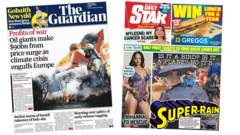
Oil Companies’ Profits Amid the Iran Conflict
The Guardian leads with a report on the extraordinary financial gains made by oil companies during the surge in prices linked to the ongoing conflict involving Iran. According to the paper, these companies have amassed approximately $90 billion in profits as global oil prices escalated. An environmental non-governmental organization cited in the article condemns these profits as 'cashing in on human misery,' emphasizing the ethical concerns of benefiting financially from war and instability.
The NGO also highlights the broader context of a climate crisis that continues to affect Europe, suggesting that the oil sector’s gains come at a significant environmental and humanitarian cost. This framing places the profits within a larger debate about the responsibilities of energy companies during times of geopolitical tension and environmental urgency.
Challenges in Monitoring Early Prisoner Releases
Several UK newspapers focus on the government's strategy to alleviate prison overcrowding by releasing certain offenders early. The Guardian’s home affairs editor reports that the electronic tagging system intended to monitor these released prisoners is failing to alert authorities to potential breaches. This revelation comes from a watchdog assessment, raising concerns about the effectiveness of current monitoring technologies.
The Daily Mirror shares a human perspective by highlighting the story of a mother whose son’s killer is set for early release despite being jailed only last year. This personal angle underscores the emotional and societal tensions surrounding the policy.
The Sun and the Daily Telegraph both emphasize public and official dissatisfaction with the early release of the killers of PC Andrew Harper, a police officer regarded as a hero. The Sun reports that the Prime Minister, Andy Burnham, could face legal action initiated by police officers and supported by PC Harper’s family, reflecting the depth of anger and perceived injustice. Justice Secretary Alex Norris defends the policy by citing the urgent need to manage prison capacity, warning that without such measures, the system would run out of space by late autumn.
The Daily Mail highlights data suggesting that around 9,300 domestic abusers may be released under this scheme, a figure that has sparked criticism from charities and opposition politicians who argue it places vulnerable women at increased risk. The Ministry of Justice has described this number as speculative, indicating ongoing debate over the policy’s scope and impact.
Record-Breaking Weather: From Drought to Deluge
The Daily Star draws attention to a dramatic weather shift, reporting on the driest July ever recorded for England and Wales, according to the Met Office. This prolonged dry spell has been followed by intense rainfall, dubbed 'super-rain' by the paper, illustrated with images of residents caught under umbrellas.
This weather pattern highlights the increasing volatility of the UK’s climate, with extreme dry and wet conditions occurring in close succession. Such fluctuations pose challenges for water management, agriculture, and urban infrastructure, prompting calls for enhanced preparedness and resilience strategies.
Other Notable Stories: Care Home Profiteering and Migrant Rescue
The i Paper reports on potential government moves to ban private companies from profiting excessively in the care home sector, aiming to make care more affordable and accessible. This reflects ongoing concerns about the quality and cost of elder care in the UK.
In the Channel, recent rescue operations have saved 173 people from a fire aboard a large dinghy, described as a 'mega dinghy' by the papers. The Daily Express questions how many more lives will be risked if no action is taken to address the dangers faced by migrants attempting to cross the Channel. This humanitarian issue remains a significant challenge for UK authorities.
The Financial Times covers a major business story involving Google’s $200 billion infrastructure financing programme to support microchip production for the AI company Anthropic, signaling continued investment in cutting-edge technology sectors. Additionally, the paper reports on a legal dispute involving the founder of Revolut over an unpaid commission related to a superyacht sale, illustrating the complexities of high-value business dealings.
Government Economic Plans and Political Developments
The Times reveals that the UK government plans a significant borrowing increase aimed at stimulating economic growth. This strategy indicates a willingness to invest heavily in the economy despite concerns about public debt levels.
In political news, the Prime Minister’s personal life briefly enters the spotlight with a revelation that his wife, Marie-France van Heel, expressed concern about his ambitions to become prime minister again, saying 'not again.' This anecdote, shared during a podcast appearance, humanizes the political leader amidst the intense pressures of governance.
What this means
The diverse headlines dominating UK news today reveal a nation grappling with complex and interconnected issues. From the economic consequences of international conflicts to domestic challenges in justice and social care, and the unpredictable impacts of climate change, these stories underscore the multifaceted nature of public policy and societal well-being. Understanding these developments requires a balanced perspective that considers both the immediate effects and the broader implications for the UK’s future. As these debates continue, informed public discourse will be essential to navigating the path ahead.
Source: UK papers: 'Profits of war' and 'Super-rain' via www.bbc.co.uk.
This article was curated with AI assistance and reviewed according to Tamfis editorial settings.